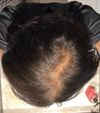
The user regrets stopping finasteride and minoxidil due to increased hair loss. They have resumed these treatments and are considering a hair transplant.
Creatine may counteract minoxidil's hair growth effects by closing potassium ATP channels, potentially leading to hair loss in predisposed individuals. Despite anecdotal reports, there is no conclusive evidence linking creatine to hair loss.
A 19-year-old male is experiencing hair loss and has been prescribed 5% minoxidil and ketoconazole shampoo but is unsure about starting finasteride. He plans to begin using minoxidil soon and is seeking advice on whether to add finasteride to his treatment.
A 25-year-old shared progress in hair regrowth after 7 months using dutasteride, minoxidil, and microneedling, noting some baby hair growth on the temples. The user plans to continue this treatment, having found it effective despite some initial shedding and challenges with styling due to topical minoxidil.
Oral dutasteride is the most effective for hair regrowth, followed by oral finasteride and minoxidil. Topical finasteride combined with minoxidil is recommended for those avoiding systemic DHT reduction.
Significant hair regrowth was achieved using finasteride and 2.5mg oral minoxidil over a year, despite initial shedding. The treatment is recommended, though it may cause increased heart rate and body hair growth.
Microneedling combined with 5% Minoxidil and finasteride significantly improves hair growth compared to using Minoxidil or Minoxidil with finasteride alone. The combination treatment is safe and effective, but further research is needed due to small sample size and short study duration.
The user has been using Minoxidil 5% for a year and oral Finasteride 1mg for six months, along with a derma stamp, castor oil, and biotin shampoo, to address hair loss. They are experiencing uneven hair growth but are advised to continue their current routine for at least a year before considering a hair transplant.
The user experienced severe side effects from finasteride and switched to using minoxidil and a derma stamp, seeing positive hair regrowth after initial shedding. They are considering topical finasteride to avoid side effects while maintaining hair health.
The user saw no hair regrowth after six months using minoxidil, daily dermarolling, and vitamin D3. Many suggest adding finasteride or dutasteride for better results.
Laser caps are found to be more effective than 5% minoxidil for treating hair loss, and when combined with minoxidil, they are even more effective. Some users report positive results with laser treatments, while others see no change; the devices are FDA approved, but opinions on their efficacy vary.
The post discusses whether finasteride can maintain hair growth stimulated by minoxidil. The response indicates that finasteride cannot sustain minoxidil-grown hairs.
The user achieved significant hair regrowth using oral and topical minoxidil, finasteride, microneedling, ashwagandha, and amla powder. They experienced some side effects like low libido from finasteride but reported no major issues with minoxidil.
User shared successful hair regrowth results using Minoxidil and Microneedling with a Dr. Pen M8 model. Discussed routine, needle depth, and frequency for optimal results.
This conversation discusses the effectiveness of microneedling for hair loss, particularly when used in combination with oral minoxidil and finasteride. It is suggested that microneedling alone can be more effective than topical minoxidil alone, but it won't have a synergistic effect with oral finasteride. Advice was also given regarding researching treatments further before taking action.
This user has been using a combination of topical Minoxidil and Finasteride, oils, biotin, vitamins D and K, and derma-rolling for 3 months to help reduce hair loss. They have experienced some progress but are still looking for more recommendations from others.
Taking topical minoxidil orally for hair loss treatment, discussing safety, dosing, side effects, and FAQs. Users express concerns about safety and potential heart damage, while others share experiences and results.
Microneedling with 5% minoxidil improves hair growth for hair loss patients. Best protocol: 1.5mm dermaroller weekly for 12 weeks or 0.6mm dermapen every 2 weeks for 12 weeks, skipping topicals for 24 hours.
A user shared their positive hair transplant results after 19 months without using finasteride or minoxidil, only vitamins. Some responses suggest concern over future hair loss without prevention treatments, while others congratulate or express jealousy.
A 32-year-old male started using a topical spray containing 0.01% finasteride and 6% minoxidil to combat hereditary male pattern baldness. He reports no side effects and is optimistic about potential hair regrowth.
The user experienced significant hair regrowth using a combination of oral minoxidil and dutasteride over five months. They reported no side effects and noticed new hair growth, particularly around the hairline.
The user experienced significant hair thickening after using topical minoxidil and oral finasteride for about 5 months and is considering switching from finasteride to RU58841. Other users encourage the original poster to continue the current treatment due to the positive results.
Switching from finasteride and topical minoxidil to oral dutasteride and oral minoxidil can cause initial hair shedding, but many users report improvement after a few months. Opinions vary on whether to taper off or switch directly, with some suggesting gradual changes to monitor side effects.
A 30-year-old woman has been using oral minoxidil and spironolactone for hair loss without success for 18 months and is considering switching to topical minoxidil. Users suggest trying topical minoxidil, dermastamping, red-laser therapy, and checking hormone levels, while noting that oral minoxidil is often more effective than topical.
The user experienced initial hair regrowth with 1 mg finasteride and 5 mg minoxidil but began shedding after 4-5 months, which others suggest is common and may lead to thicker regrowth. Users recommend patience, as results can take up to 12-24 months, and suggest considering specialized clinics for hairline design if unsatisfied with medication alone.
A user shared progress on hair regrowth using 5mg oral minoxidil and 0.5mg oral dutasteride daily, noting small hair growth and no significant side effects except bushier eyebrows. The conversation includes encouragement, personal experiences with hair loss treatments, and discussions on the effectiveness of microneedling.
The user plans to start 1 mg finasteride immediately and oral minoxidil two months later after a hair transplant, considering potential side effects and exposure risks. They seek advice on timing due to concerns about shedding before their wedding.
There is no consensus on how long to wait after dermarolling before applying Minoxidil, with some applying immediately and others waiting up to 24 hours. Users report varying experiences with side effects, and some also use finasteride or dutasteride in their hair loss treatment routines.
User shared progress after 5 months of using finasteride, minoxidil foam, and weekly derma rolling. Positive feedback highlights increased hair count and thickness.
A 22-year-old has seen hair density improvement after using oral minoxidil 2.5mg daily for 7 months and also uses rosemary mint oil weekly. Others suggest finasteride for long-term results, question minoxidil's effectiveness without finasteride, and mention alternatives like microneedling.