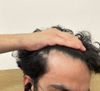
User shared progress after 5 months of using finasteride, minoxidil foam, and weekly derma rolling. Positive feedback highlights increased hair count and thickness.
A 22-year-old has seen hair density improvement after using oral minoxidil 2.5mg daily for 7 months and also uses rosemary mint oil weekly. Others suggest finasteride for long-term results, question minoxidil's effectiveness without finasteride, and mention alternatives like microneedling.
Dutasteride promotes more hair regrowth than Minoxidil. Users discuss combining treatments for better results and share personal experiences with side effects.
The conversation discusses a claim that peppermint oil is more effective than minoxidil for hair loss, with one user mentioning using a mix of peppermint and rosemary oils as a treatment. Some users are skeptical, while others show interest in the potential of peppermint oil.
This user discussed using oral minoxidil as a hair loss treatment, and was cautioned against mixing topical minoxidil with water and drinking it due to potential side effects and risks. Other users shared their concerns about the dangers of self-prescribing medications without consulting a doctor.
The conversation is about someone who had success using retinol with minoxidil for hair growth, but experienced shedding with Retin A (tretinoin). They are asking if others have tried retinol with minoxidil and what their results were.
User shares 4-month hairline progress using minoxidil, finasteride, nizoral, and dermarolling. Others discuss treatment details and express admiration for the results.
Switching from finasteride to dutasteride and oral minoxidil led to thicker hair and reduced hairline recession. Occasional flushing from minoxidil will be managed by lowering the dose.
OP used oral Dutasteride and Minoxidil but saw significant improvement only after adding PRP treatments. PRP sessions every 4 months maintained the results, though it is expensive.
The conversation is about hair loss and the use of minoxidil (Minoxidil) and finasteride (Fin) as treatments. The conclusion is that some users have seen success in maintaining their hair with minoxidil, but there are varying opinions on the effectiveness of the treatments.
A 20-year-old is concerned about hair thinning despite using finasteride and minoxidil for over a year. They are advised to manage anxiety, consider therapy, and possibly reassess their treatment plan, while others suggest checking thyroid levels and considering alternative treatments like dutasteride.
The user successfully regrew hair using Finasteride, Minoxidil, and microneedling, achieving thicker hair and a fuller hairline. They recommend this method over hair transplants, highlighting the importance of patience and consistency.
A 22-year-old man experienced significant hair loss after stopping minoxidil and finasteride, causing emotional distress. He resumed these treatments and is considering dutasteride and microneedling to manage his hair loss.
PP405 is a new hair growth stimulant different from Minoxidil, currently in phase 2 trials. Users discuss its potential, safety concerns, and the long wait before it might be available.
The user shared a 1.4-year hair growth journey using minoxidil and recently added micro-needling and finasteride, which significantly improved their hair. They also mentioned taking consistent photos for comparison and dermarolling once a week with a 1.5 mm needle.
The conversation is about an 18-month hair loss treatment with Minoxidil 5% used twice daily and Finasteride 1 mg taken every day, showing significant progress. Participants discuss the form of Minoxidil used, side effects like dandruff, the time taken to see results, and encouragement from the visible improvement.
The user has been using finasteride for five years and minoxidil foam for 1.5 years to combat hair loss, experiencing significant regrowth after an initial shedding phase with minoxidil. They shared progress pictures and discussed treatment experiences, including the addition of minoxidil to their regimen after noticing reduced efficacy with finasteride alone.
User "Ant1pal" shares progress pictures of hair regrowth using Minoxidil, Estradiol valerate, and Spironolactone. Users discuss potential side effects and the possibility of localizing estrogen to hair follicles for better treatment.
A user tried various hair growth treatments, including drinking topical minoxidil, using oral minoxidil and finasteride, and applying GHK-Cu, growth hormone peptides, and liposomal sulforaphane. They experienced thicker hair, while others discussed the risks and benefits of these methods.
A 23-year-old discusses their hair loss treatment using finasteride, dutasteride, oral and topical minoxidil, and topical tretinoin under medical supervision. They stress stabilizing hair loss before a hair transplant and plan to continue the regimen for at least 18 months.
A 24-year-old shared their successful hair restoration journey, which included a hair transplant in Turkey, dutasteride, and topical minoxidil. They also started testosterone replacement therapy, which improved their quality of life and hair condition, and they now feel confident and satisfied with the results.
A 21-year-old with early hair loss is considering starting finasteride, either orally or topically, and is unsure about adding minoxidil due to concerns about commitment and effectiveness. They plan to start with microdosing finasteride, possibly adding minoxidil later, and will also try microneedling, rosemary oil, castor oil, and ketoconazole shampoo.
Significant hair regrowth was achieved using 1 mg Finasteride, 5% Minoxidil, and dermarolling, with a switch from a 0.5 mm to a 1 mm roller after two months. The user is happy with the results but is still considering a hair transplant for more density.
The conversation is about a person's positive experience with Dutasteride 1mg and Oral Minoxidil 2.5-5mg daily for Diffuse Unpatterned Alopecia, showing significant hair regrowth after 9 months. They mention a tough initial shedding phase, no side effects after 9 months, and a preference for oral treatments due to convenience and pet safety.
The conclusion of the conversation is that the user, Michael_Scott1234, has been using topical minoxidil for a long time and recently started using oral finasteride and dermarolling. They have not experienced any side effects from finasteride and are happy with their progress.
Jordan-Iliad has been using a combination of finasteride, minoxidil, stemoxydine, microneedling, saw palmetto, peppermint and jojoba oils, ketoconazole shampoo, and Purador shampoo/conditioner for 3 months to treat their hair loss with stunning results. They have also recently started taking oral minoxidil 1.25mg/day in hopes of achieving even better results over the next 3 months.
The user has been using finasteride, nizoral, microneedling, and recently added 3% peppermint oil to their hair loss treatment, experiencing regrowth similar to minoxidil. They suggest peppermint oil as a potentially effective, low-cost alternative or addition to minoxidil, with the added benefit of a pleasant smell and ease of use.
User shared 5.5-month progress using 0.5mg finasteride, 5% minoxidil, 1.5mm microneedling weekly, and 20mg RU58841, with positive results and no side effects. Others discussed their experiences, dosage adjustments, and the importance of age in treatment efficacy.
42-year-old used finasteride, minoxidil, dermapen, and nizoral for 12 months, achieving significant hair growth. Consistency and patience are important for success.
KittaLockwood shared progress photos of their boyfriend's hair after 6 months of taking a combination of finasteride, minoxidil, and vitamin supplements prescribed in an Australian subscription service. They received encouraging responses from other users about supporting their significant other through the journey.