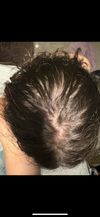
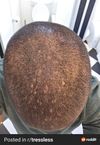
User ordered oral minoxidil, dutasteride, and a derma roller for hair loss treatment. Others encouraged patience and shared positive experiences with similar treatments.
Users discussed their experiences with microneedling for hair loss, noting that visible progress typically starts after 1-4 months. Some combined microneedling with Minoxidil for better results.
A user shared their 4-month progress using a topical solution with 5% minoxidil and 0.1% finasteride, applied twice daily. They reported good results despite occasional missed applications.
The post expresses frustration over the unavailability of pure topical finasteride in India despite the developed pharma industry. The user seeks advice on making it at home and its effectiveness.
The user regained hair using a routine including Nizoral shampoo, 0.5mg finasteride daily, topical minoxidil at night, and microneedling every two weeks. They switched from topical to oral finasteride to save money.
The conversation discusses whether starting treatments like finasteride or dutasteride early in hair loss leads to better regrowth results. One user implies that early treatment is indeed more effective, while another regrets not starting treatment sooner due to permanent hair loss.
A user is experiencing hair loss in the center of their hairline and has been using topical finasteride for seven months with minimal progress. They are considering switching treatments due to concerns about losing ground and potential side effects of other options.
A user shared their experience 7.5 months after receiving 3950 hair grafts at Sule Hair Transplant in Istanbul, Turkey, with positive feedback on the transformation. The discussion included costs, recovery time, and the use of medications like finasteride and minoxidil post-transplant.
The user is considering using topical finasteride for thinning hair around the middle part, vertex, and crown, and is unsure if the whole scalp is thinning. Another user suggests oral finasteride is more effective than topical, and recommends consulting a dermatologist for proper treatment.
The user noticed small circular hairless spots after a buzz cut and has been using finasteride, dutasteride, and oral minoxidil for hair loss. They are experiencing continuous shedding and thinning, and it is suggested they consult a dermatologist for a scalp examination and possible biopsy to determine if it's alopecia areata or androgenetic alopecia.
The user switched from finasteride to dutasteride and oral minoxidil after experiencing side effects and worsening hair loss, which improved their condition. Dutasteride was preferred due to fewer side effects and better results compared to finasteride.
Topical dutasteride is more effective than oral finasteride for male pattern hair loss, with fewer side effects. Some prefer oral treatments for convenience, while others use topical solutions like minoxidil and dutasteride, sometimes with microneedling, for better results.
A 23-year-old has been using finasteride for 5 years to stabilize hair loss and is now adding minoxidil, tazarotene, and dermarolling to improve hairline density. They hope this new regimen will thicken existing hair and restore the hairline.
Pyrilutamide/KX-826 is being discussed for its effectiveness in hair regrowth, with some users reporting positive results, especially in early hair loss cases. Users have combined it with treatments like Minoxidil, and some experienced initial shedding before seeing regrowth.
The post discusses an individual's 11-month hair restoration journey using oral finasteride, topical minoxidil and finasteride, micro-needling, biotin tablets, and ketoconazole shampoo. Despite mixed reactions and skepticism from others, the individual expresses gratitude for support and claims progress in hair growth.
The user experienced hair regrowth using Koshine KX-826 after two months, noticing new baby hairs and reduced shedding, while continuing to use Hims spray. They reported no side effects from Koshine and plan to keep monitoring progress.
The user experienced hair loss and used Minoxidil and Finasteride to improve hairline and density, but stopping Minoxidil led to a setback. They plan to continue both treatments daily to increase hair density and are considering applying Minoxidil to the entire scalp.
Dutasteride is safer than finasteride for long-term use, with fewer sexual side effects. Users experience better hair regrowth and fewer side effects with dutasteride.
The conversation discusses hair regrowth after 3 months of using 2.5mg oral minoxidil and 0.5mg dutasteride, with mixed opinions on the effectiveness and suggestions to increase minoxidil dosage or consider a hair transplant. Some users recommend additional treatments like dermarolling and micro-needling, while others share personal experiences with side effects and alternative treatments.
The user is experiencing significant hair loss and has been using 5% minoxidil for 11 months, finasteride for nearly 6 months, and gel tretinoin for 4 months, with inconsistent use of ketoconazole shampoo. Despite these treatments, they are losing 200-250 hairs daily and are concerned about the lack of stabilization and potential continuous hair loss.
The user is using multiple topical treatments including Minoxidil, RU58841, and Spironolactone, along with supplements, to address hair loss and is considering starting oral Minoxidil. They plan to begin oral finasteride soon after experiencing side effects from topical dutasteride.
Finasteride may help stabilize hair loss, but regrowth at the temples is challenging and often requires additional treatments like minoxidil or a hair transplant. Users suggest patience and possibly combining treatments for better results.
User is 1.5 months into using oral minoxidil and finasteride for hair regrowth, along with dermarolling. They report good progress and seek advice on whether new hairs will thicken.
Start finasteride and minoxidil early to prevent significant hair loss and maintain styling options. Finasteride can reduce acne and improve skin appearance.
A user successfully improved their hairline after 15 months using topical minoxidil and dutasteride. Some commenters question the necessity of treatment given the user's original hair condition, while others support early intervention.
The user underwent a hair transplant with 3500 grafts and has been using Finasteride and Minoxidil for 5.5 months, seeing some growth. They plan to have a second transplant for the crown area and are seeking opinions on future results and density improvement.
The post and conversation discuss different methods of applying hair loss treatments directly to the scalp. The original poster suggests using a 1ml TB Syringe & Ophthalmic Cannula for precise application, while others share their own methods, including sprays, droppers, and simple syringes.
Lichen Planopilaris (LPP), a form of permanent hair loss, which can be mistaken for seborrheic dermatitis and is characterized by scalp itching, burning, redness, and dandruff. Treatment options discussed include steroidal creams, finasteride, minoxidil, and RU58841.
Scalp micropigmentation as a treatment for hair loss, and the importance of choosing a reputable practitioner to get a natural look. Different treatments such as laser removal were also discussed in relation to long-term maintenance.