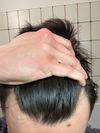
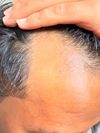
Topical minoxidil with tretinoin is causing redness, stinging, and flaking on the scalp. Reducing application frequency and using anti-dandruff shampoo may help alleviate symptoms over time.
A 24-year-old with mild temple recession is using 5% minoxidil without noticeable effects and has started topical finasteride but is anxious about potential side effects. They are considering a specialist visit for peace of mind despite the cost.
A 31-year-old male has been using 1 mg oral finasteride and topical Kirkland minoxidil foam for three months, along with occasional dermastamping and Nizoral shampoo. He plans to be more consistent with dermastamping.
The conversation is about making homemade topical finasteride, discussing mixing it with Kirkland minoxidil and creating a solvent with alcohol, glycerin, and water. A formula suggestion includes 50% ethyl alcohol, 25% propylene glycol, and 25% distilled water.
The user stopped oral treatments due to side effects and switched to a regimen of topical minoxidil, tretinoin, azelaic acid, and dermaneedling, with recent addition of topical finasteride. They are questioning the long-term effectiveness of non-hormonal methods and considering hair transplantation.
The user saw significant hair growth along the hairline after using topical minoxidil for three months, in addition to being on finasteride for a year. They also use a derma-stamp weekly and recommend waiting 8-12 hours before applying minoxidil after derma-stamping.
Minoxidil is causing severe scalp irritation, including itchiness and dryness, for the user. Alternatives suggested include anti-fungal treatments, propylene-glycol-free formulations, and possibly oral minoxidil.
The user experienced significant hair and beard regrowth using 0.5mg dutasteride and 5mg oral minoxidil over a year, despite initial shedding. They reported no major side effects, except for increased body hair growth.
The user is using a solution of 5% minoxidil and 0.1% finasteride with micro-needling and is considering adding 1mg oral finasteride. They notice small hairs on their forehead and are questioning if these indicate potential regrowth.
Microneedling can still be beneficial when using oral finasteride and minoxidil, with a recommended needle length of 0.5mm to 1.0mm. A stamp or pen is preferred over a roller for microneedling.
A user shared their positive hair regrowth results after 4 months using topical minoxidil, a 0.5 dermastamp once a week, and ketoconazole shampoo. Some responses suggest adding finasteride to maintain results, while others praise the effectiveness of the treatments used.
VDPHL01 shows faster and stronger hair growth compared to standard minoxidil, with no major side effects reported. Users discuss combining it with other treatments like dutasteride and finasteride for better results, while expressing skepticism about the effectiveness of PP405.
A user is starting a hair loss treatment with Minoxidil (5 mg oral and 10% topical), Dutasteride, and Zinc, and is concerned about the high dosages. Other users suggest following the dermatologist's advice, starting with topical treatments, and discussing dosage concerns with the doctor.
A 38-year-old has been using Minoxidil and Finasteride for hair loss since age 23, with some breaks. They recently restarted treatment with added derma rolling and have seen improvements in hair growth.
Tips for using a scalp applicator for Minoxidil, including using smaller doses for even coverage, twisting the applicator for better distribution, adjusting pressure to control flow, and cleaning regularly. Users also discuss alternative methods like pipettes, q-tips, and spray bottles for applying Minoxidil, especially for those with longer or thicker hair.
Switching from minoxidil with propylene glycol to a glycerin-based solution helped reduce scalp buildup and dandruff. Using ketoconazole shampoo and a scalp massager also improved scalp health.
The user is happy with their hair regrowth progress using 1mg Finasteride daily and 5% Minoxidil foam twice a day, with added vitamin D to combat potential side effects. They report no significant side effects and wish they had started the treatment earlier.
The conversation is about the potential dangers of taking oral minoxidil and grapefruit juice together. Some users express concern about dangerous drug interactions, while others argue that grapefruit juice may inhibit the metabolism of finasteride. The conclusion is that grapefruit juice may make finasteride less effective, but it won't affect minoxidil.
A user made a 70/30 ethanol/propylene glycol topical finasteride solution but noticed chunks at the bottom. The discussion focuses on this issue with the DIY hair loss treatment.
The user reported significant hair regrowth using a topical treatment of 0.3% finasteride and 6% minoxidil, with noticeable progress in five months. The treatment is applied once daily, and the user experienced some initial shedding but no side effects.
A user shared their 1.5-month progress using a routine of topical finasteride and minoxidil gel, minoxidil foam, microneedling, keto shampoo, and a multivitamin. They reported noticeable hair regrowth for the first time in a decade.
A new product, Minoxidil booster, which enhances sulfotransferase enzyme activity in the scalp, is now available. The user has started using this product, applied before Minoxidil, to improve their hair loss treatment results.
The user has been using oral finasteride and topical minoxidil for over three years without regrowth, despite reduced hair loss. They are hesitant to try oral minoxidil and dutasteride due to potential side effects and cost, and have not found success with tretinoin or microneedling.
The conversation is about alternatives to minoxidil for hair growth, as the original poster experienced chest tightness from using it. They are currently using finasteride and considering options like rosemary oil, pumpkin seed oil, and other topical treatments, but acknowledge that minoxidil and finasteride are the most scientifically supported treatments.
The user is taking a 2-in-1 pill containing 1mg finasteride and 3mg minoxidil daily, noticing some hair thickening and new hair growth but minimal progress at the back of the head. They are considering adding topical minoxidil or increasing dosage and are unsure if they should change their routine or wait for more results.
The user has made significant hair growth progress in 3 months using 1mg oral finasteride and 5% topical minoxidil twice daily, with plans to start 1.25mg oral minoxidil. The user is considering a hair transplant in 1-2 years and is cautious about using a dermastamp to avoid scar tissue.
The user "Matryxv" shared their progress with hair loss, using finasteride, minoxidil, ketoconazole, dermarolling, and other treatments. They achieved significant hair regrowth in a short amount of time, surprising both themselves and other users.
The user experienced hair regrowth using topical minoxidil and finasteride, and later added oral finasteride for maintenance. They reported no side effects and found a specific shampoo helpful for scalp issues.
The conversation is about choosing effective hair loss treatments, specifically discussing RU58841, 5% minoxidil, copper peptides, microneedling, finasteride, dutasteride, and Tretinoin. The user seeks advice on the best topical treatments and prefers to use only 1-2 products.