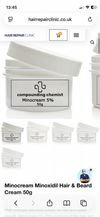
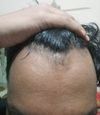
Topical minoxidil with tretinoin is causing redness, stinging, and flaking on the scalp. Reducing application frequency and using anti-dandruff shampoo may help alleviate symptoms over time.
The conversation discusses using Musely's classic formula for hair loss, which includes minoxidil, dutasteride, tretinoin, ketoconazole, and hydrocortisone. Concerns are raised about hydrocortisone and the high concentration of dutasteride, with a preference for using research-backed concentrations without hydrocortisone.
Natural alternatives like omega-3, green tea, and pumpkin seeds are suggested for reducing DHT levels, but their effectiveness is questioned. Topical minoxidil and ketoconazole shampoo are recommended, with some users also considering low-dose finasteride and saw palmetto.
Sea salt spray may not be ideal for thinning hair, and alternatives like texture powder, thickening tonic, and styling clay are suggested for volume without damage. Some users recommend thickening sprays or mousse for a fuller appearance, while others suggest considering medication for hair loss.
The conversation discusses a user's hair regrowth after two months using finasteride, minoxidil, derma rolling, biotin, and ketoconazole shampoo. Some users express skepticism, while others are impressed with the results.
Blocking the Mitochondrial pyruvate carrier and using aldose reductase inhibitors like Indian gooseberry and berberine may help with hair growth. Magnesium can also be added to increase NADPH.
A user is experimenting with applying undiluted peppermint oil to their scalp daily to stimulate hair growth, based on a rat study where peppermint oil outperformed minoxidil. The user reports immediate hair thickening and increased scalp blood flow, while others in the conversation express skepticism, humor, and concern about the undiluted application.
The conversation is about making a hair loss treatment combining minoxidil with azelaic acid, retinol, and caffeine, similar to the product Xandrox. The user has tried Xandrox but switched to Kirkland minoxidil for cost reasons and is seeking advice on creating a similar mixture.
Using a combination of Stemoxydine, minoxidil, dutasteride, and keto shampoo to achieve extreme hair and beard growth. The user has experienced positive results with terminal hairs at the hairline and an increase in density to their stubble after several weeks of use.
The conversation discusses hair shedding while using finasteride and topical minoxidil, with users sharing their experiences of losing 30-100 hairs daily in the shower. One user considers switching to dutasteride due to consistent shedding.
A 17-year-old is using topical minoxidil for hair loss and is considering other treatments like ketoconazole shampoo and saw palmetto while waiting to start finasteride at 19. Suggestions include using oral minoxidil, topical antiandrogens like RU58841, and CB-03-01, with a focus on minimizing systemic DHT impact.
Rosemary oil is claimed to slow hair loss and improve hair thickness, but its effectiveness is debated, with some users preferring proven treatments like minoxidil and finasteride. Lifestyle factors and consistent use are suggested to enhance results, though skepticism about natural remedies remains.
The user is experiencing scalp irritation and hair thinning, possibly due to stress, with red patches on the face and dry skin. They are considering seeing a dermatologist and have used tea tree and rosemary oil.
The conversation discusses using Rogaine (Minoxidil) and ketoconazole for hair regrowth, with interest in trying a formulation with Azelaic Acid for potentially better results. Concerns about Azelaic Acid's effectiveness and safety, including skin sensitivity to sunburn, are mentioned.
The user experienced significant hair regrowth using minoxidil 5%, finasteride 1.25mg, and nizoral 2% ketoconazole shampoo, with the best results appearing after two years. Consistency in treatment was emphasized, and the user plans to continue using minoxidil.
The conversation is about hair regrowth treatments using minoxidil, finasteride, tretinoin, and ketoconazole shampoo. Users discuss their experiences, including side effects, shedding, and the potential benefits of adding microneedling.
Switching from 2% liquid minoxidil to 5% foam minoxidil reduced scalp irritation but increased eyebrow flakiness and thinning. The user speculates that propylene glycol in the liquid formulation might have been protecting against seborrheic dermatitis while causing contact dermatitis.
The user is using 2.5mg oral Minoxidil, rosemary mint oil, scalp massaging, a derma roller, multivitamins, and hair vitamins for hair regrowth. They are considering adding pumpkin seed oil, a derma pen, and saw palmetto vitamins, and are advised to consider finasteride.
A user reports improved hair thickness and regrowth after three months of using oral minoxidil, topical minoxidil, dutasteride, microneedling, biotin gummies, and ketoconazole shampoo, with no side effects so far. Another user shares a similar regimen, switching from finasteride to dutasteride due to continued hairline recession.
A 21-year-old male shared his extensive hair loss treatment protocol, which includes Dutasteride, RU58841, Ketoconazole shampoo, oral Minoxidil, pyrilutamide, MK677, dermastamping, and castor oil, and reported improved hair regrowth and overall well-being. He has experienced no side effects and has also improved his diet and lifestyle.
The user has chronic itchy scalp and dandruff, unresponsive to ketoconazole, selenium sulfide, zinc pyrithione, coal tar, and salicylic acid. Topical steroids were also ineffective for long-term use.
A naturally occurring sugar, 2-deoxy-D-ribose, in a hydrogel form, shows promise for hair regrowth similar to minoxidil in rats. The user plans to synthesize it for topical application, seeking input from others.
The user mixed tretinoin with minoxidil and noticed hair regrowth after three months, despite initial dryness. Their regimen includes 0.5mg dutasteride every other day, daily topical minoxidil with 0.025% tretinoin gel, and ketoconazole shampoo twice weekly.
The user switched to oral Dutasteride, added RU58841, and used Ketoconazole-enriched Minoxidil but still experiences scalp itch and hair loss after 4 months. They are advised to give Dutasteride more time, consider seeing a dermatologist, and explore other topical solutions.
Hair loss has slowed, but uneven growth and kinking persist despite using keto/nizoral shampoo and clotrimazole. Stress and anxiety might be contributing factors.
People are discussing how to apply tretinoin to the scalp for hair loss treatment and managing scalp dryness. Specific treatments mentioned include tretinoin, minoxidil (Min), finasteride (Fin), and RU58841 (RU).
The user shared progress on hair loss treatment between September and November using oral finasteride, topical minoxidil, dermarolling, a LaserComb, caffeine shampoo, Nizoral, scalp massages, and both oral and topical biotin. The conversation discusses the effectiveness of these treatments.
A user shared their six-month hair regrowth journey using Kirkland minoxidil, micro-needling, keto shampoo, and hims topical spray with minoxidil and finasteride. They reported noticeable hair improvement with minimal side effects and plan to continue the routine.
Managing seborrheic dermatitis using ketoconazole shampoo, Nizoral, and oils like MCT and coconut oil. The user considers shaving their head and consulting a dermatologist.