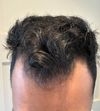
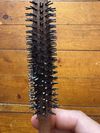
User uses Costco brand Minoxidil as a hair product for styling and hold. Others agree that foam version is better for styling and less greasy than liquid.
A 27-year-old is using finasteride, minoxidil, microneedling, and Pilexil shampoo to combat hair loss, with plans to add Nizoral shampoo and light stimulation. Initial results show reduced hair loss and some hair thickening, despite a period of shedding.
The user is experiencing hair loss and has been using topical Minoxidil 5%, Keto 2% shampoo, and Tretinoin 0.025% for six months, with plans to start topical Finasteride 0.1% soon. They are advised to focus on DHT blockers like Finasteride and consider additional tests and supplements to address potential deficiencies and scalp health.
Hair loss possibly caused by chlorine and heavy metals in water was addressed by using a shower filter, ketoconazole shampoo, and PRP sessions, which stopped the hair loss but did not lead to regrowth. Other users suggested similar experiences and solutions, emphasizing the importance of a good water filter and patience for potential regrowth.
A 26-year-old is starting a hair loss treatment using 1mg oral finasteride daily, 5% topical minoxidil foam twice daily, 2% ketoconazole shampoo weekly, and microneedling once a week. They noticed worsening hair loss over the past year and are seeking advice.
Treatments for hair loss, including using finasteride and minoxidil regularly, together with keto shampoo and dermapen; the user's progress since starting treatment five months ago; and discussion of potential side effects.
The conversation is about a user's positive experience with hair loss treatment after 1.5 months, using topical finasteride, minoxidil, keto shampoo, and minoxidil shampoo, despite the drying effect of keto shampoo and a change in hair texture due to accutane. Responses include congratulations, personal experiences with hair loss treatments, and a mention of accutane's negative impact on hair.
The conversation is about the effectiveness of ketoconazole shampoo for hair loss. The conclusion is that ketoconazole shampoo can help with dandruff and seborrheic dermatitis, but it is not a strong enough treatment to stop or regrow hair. It is recommended to use it as an adjunct treatment along with finasteride or dutasteride.
The user is using Minoxidil 5% foam in the morning and a Minoxidil 5% + Finasteride 1% solution in the evening for hair loss. They are seeking advice on additional topical treatments to use midday, such as caffeine serums, peptides, Redensyl, or natural anti-inflammatories.
Minoxidil's effectiveness can be impacted by scalp health, with dryness and inflammation leading to hair loss. Using a scalp conditioner with tea tree and Nizoral twice a week improved scalp condition and hair strength.
The user is using a regimen of 0.5mg dutasteride, 5% minoxidil foam at night, hair gummies, and rosemary water in the morning to address hair loss. They are experiencing some regrowth and are advised to be patient, with suggestions to possibly increase minoxidil application to twice a day for better results.
A user discussed the "Rootique Duo," a device that turns minoxidil into mist for scalp application, but others suggested cheaper alternatives like an AliExpress applicator. Some users prefer traditional methods like droppers or spray nozzles, especially for longer hair.
A user found relief from minoxidil-induced scalp itch by using a different product, as Nizoral dried out their scalp and worsened the condition. The conversation focuses on managing side effects of hair loss treatments.
The efficacy of taking 1mg finasteride three times a week instead of daily for hair loss, with some users arguing that it is just as effective because finasteride has a long half-life in the scalp tissue and lower doses have been shown to be effective. Other users suggest experimenting with various treatments such as minoxidil and finasteride to achieve best results.
A product called HairMDL includes Minoxidil, Dutasteride, Latanoprost, caffeine, Tretinoin, and Triamcinolone. Users are curious about its effectiveness and safety, particularly regarding the topical steroid Triamcinolone.
The conversation discusses a user's 7-month progress with hair loss treatment using oral Propecia (finasteride), topical Minoxidil, and a weekly use of a Drama Pen. Some users ask for details about the Drama Pen, while others make jokes or congratulate the user on their progress.
The conversation discusses the inconvenience of frequently resupplying Nizoral's Keto-2% Shampoo due to its small bottle sizes. It also mentions treatments like Minoxidil, finasteride, and RU58841 for hair loss.
Piroctone Olamine at 1% is recommended for reducing scalp inflammation and encouraging hair growth. The user seeks recommendations for UK shampoos/conditioners containing this ingredient.
The conversation discusses starting finasteride for hair loss, with the original poster noting reduced scalp itching and oiliness after the first week. Users share experiences with different dosages and schedules, concerns about side effects, and the potential impact on prostate cancer detection.
The user shared their positive experience with hair loss treatment using 1mg finasteride, 0.5mg minoxidil, vitamins, ketoconazole shampoo, and a thickening shampoo, noting significant progress and minimal side effects. They emphasized the importance of trying treatments despite initial shedding and shared their routine for managing frizzy hair.
OP struggles with scalp flakes causing hair loss and has tried Selsun Blue, Ketoconazole, and ZPT Shampoo without success. Suggestions include using salicylic acid shampoo, shaving the head, using Nizoral, and combining treatments like Minoxidil and finasteride.
A user shared their 5-month hair regrowth progress using 5% topical minoxidil daily, microneedling weekly, and ketoconazole shampoo twice a week. Some suggest adding finasteride to maintain results, while others commend the current regimen's effectiveness.
The user is experiencing white flakes on their scalp despite using anti-dandruff shampoos and oils for six weeks. A suggestion was made to try ketoconazole at higher concentrations, as it might be seborrheic dermatitis, which can lead to hair loss if untreated.
A 28-year-old is experiencing early signs of balding and is using a routine that includes oral minoxidil, topical dutasteride, microneedling, and ketoconazole shampoo. They are seeking advice on the effectiveness of oral minoxidil with microneedling and the reliability of their product sources.
Essential oils like lavender, peppermint, and rosemary may help with hair growth, similar to Minoxidil. Turmeric with piperin might be as effective as Finasteride without side effects.
A user is skeptical about a "miracle hair cream" claiming to reverse hair loss and seeks opinions on its effectiveness. They are already using finasteride, minoxidil, and dermastamping weekly but want additional help for temple hair growth.
The user shared their successful hair regrowth experience using Dutas, oral and topical minoxidil, vitamin D3, zinc, biotin, a laser cap, natural shampoos, ketoconazole shampoo, retinoic acid lotion, and mesotherapy. They reported no side effects and significant improvement in hair thickness and color over six months.
The conversation is about someone experiencing significant hair regrowth after nearly three months using finasteride, minoxidil, and ketoconazole shampoo. Specific treatments mentioned include finasteride, minoxidil, and ketoconazole shampoo.
A user shared their hair loss treatment routine, which includes minoxidil, finasteride, ketoconazole, biotin, dutasteride, and RU58841. They recommend starting with topical sprays and mentioned using a new combo spray from Hims UK.