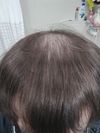
The user is taking 2.5 mg dutasteride and 5% minoxidil but is not seeing hair regrowth, and is considering adding RU58841. They are experiencing fatigue and low MCV/MCH, possibly related to dutasteride, and are advised to be patient, consider microneedling, and check for iron deficiency.
The user is experiencing hair loss despite using finasteride three times a week due to side effects and is considering alternatives like topical finasteride, estrogen blockers, or dutasteride. They are also interested in potential treatments like GT20029 and pyrilutamide.
A new stem cell therapy shows promise in treating hair loss, but skepticism remains about its availability. Users humorously discuss the effectiveness of treatments on mice compared to humans.
Transplanting mice skin to humans is not feasible due to immune rejection, but some suggest genetic modification or immune suppression could make it possible. Xenograft hair transplants are discouraged.
Microneedling can cause skin shedding and inflammation, with some users adjusting needle size or frequency to reduce these effects. Some users combine microneedling with treatments like minoxidil, while others prefer smaller needles or alternative treatments like dutasteride.
A user shared their progress with hair loss treatment using Dutasteride Mesotherapy but mentioned they ruined their progress. Another user commented that Minoxidil caused shedding, which should regrow in three months.
Finasteride may affect prostate sensation and size, with some users reporting easier urination. Concerns exist about prostate shrinkage even at lower doses.
A 26-year-old man with diffuse alopecia is using electric scalp massage, dermastamp, and multivitamins for treatment but is intolerant to finasteride. A dermatologist recommended PRP and mesotherapy with exosomes and dutasteride.
Pyrilutamide is considered to work for hair loss but less effectively than expected, similar to RU58841, and may cause side effects like chest tightness and sexual issues. It's unclear if it's suitable for diffuse thinners, and one user cannot use minoxidil or finasteride due to side effects and personal circumstances.
The conversation is about severe Vitamin D deficiency and its potential link to hair loss. The user is already using oral finasteride, topical finasteride, and topical minoxidil for aggressive hair loss.
A 23-year-old has been using finasteride, dutasteride, and spironolactone to combat hair loss and hormonal acne, with mixed results and concerns about side effects. The user is experimenting with spironolactone despite its potential risks, hoping for skin and body hair improvements.
A 24-year-old male is experiencing hair thinning and feels hopeless, considering treatments like finasteride and minoxidil but is concerned they might not work. He is also contemplating a dermatologist visit and is unable to afford a hair transplant.
The user is experiencing diffuse thinning and inflammation despite using 2.5mg dutasteride daily, ciclopirox, and ketoconazole shampoos. They are considering treatments like hydroxychloroquine and JAK inhibitors due to suspected scarring alopecia and have faced challenges in obtaining a scalp biopsy.
Natural DHT blockers caused negative side effects like weak erections and depression, while finasteride improved overall well-being and cleared acne. Users shared similar experiences, finding finasteride effective without the adverse effects of natural treatments.
The conversation humorously discusses hair loss treatments, including minoxidil and finasteride, with a satirical suggestion of using fence castration as a natural finasteride for male deer. Participants joke about the side effects and effectiveness of these treatments.
User regrew lost hair using microneedling, minoxidil, finasteride, Nizoral, fish oil, and collagen peptide. Progress was slow but constant, and patience was important.
Dutasteride and finasteride have similar risks of sexual dysfunction for treating androgenetic alopecia. Users experience varying side effects, indicating individual differences in drug reactions.
PP405 may revive dormant hair follicles, and DHT blockers like finasteride or dutasteride could maintain new hair. Combining PP405 with minoxidil might be optimal, but long-term effects and continuous use are uncertain.
The conversation discusses using higher doses of minoxidil and finasteride, considering dutasteride, and exploring other treatments like RU58841 for hair preservation. The user reports no side effects after six months and is interested in advanced treatment combinations.
HMI-115, a potential treatment for hair loss that can reverse miniaturization and make individual hairs thicker, as evidenced by data from macaques given the treatment and one subject in the phase I trial.
User started finasteride at 18, added minoxidil later but stopped due to side effects. Hair loss continued despite treatments, considering dutasteride but hesitant. Others suggest trying dutasteride and discussing with a dermatologist.
The conversation discusses hair loss treatments, focusing on the use of finasteride (fin) and minoxidil (min), with some users recommending dutasteride (dut) for stronger results. Many users emphasize that these treatments are affordable and effective, with some sharing personal experiences of hair regrowth and side effects.
The user received trichotest results indicating finasteride is ineffective for them, and they plan to use dutasteride mesotherapy and add cetirizine to minoxidil. They seek advice on incorporating dutasteride into their regimen.
A person experienced severe sexual side effects, including loss of libido and erectile dysfunction, after using finasteride and dutasteride for hair loss. They stopped the medications and sought advice, but recovery was slow and uncertain.
The user discussed their experience with hair loss treatments, including finasteride, RU58841, Nizoral, supplements, dermarolling, and minoxidil, which caused significant edema. They also experimented with dutasteride, which led to increased hair loss, and found that Armodafinil reduced minoxidil-related water retention and hair shedding.
Finasteride may inhibit melanin production, affecting tanning and causing white hairs in the beard and eyebrows. The user considers switching to oral Dutasteride or topical treatments to address these issues.
Dutasteride mesotherapy is discussed as a potential treatment for hair loss, with some users suggesting it offers a slight boost when combined with oral minoxidil, though it's costly. Concerns about side effects and systemic absorption are noted, with alternatives like topical dutasteride and microneedling suggested for home use.
Creatine may cause hair shedding in some individuals, but there is no strong scientific evidence linking it to hair loss. Many users report personal experiences of increased hair loss with creatine, while others see no effect; OP is considering creatine while using finasteride and topical minoxidil for hair loss.