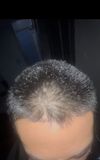
The post and conversation discuss Verteporfin's potential as a hair loss treatment. It's shown promise in regrowing hair after transplants and might be effective with microneedling.
The user underwent a biopsy two years ago and was diagnosed with keratosis pilaris, leading to hair issues. They tried treatments including Minoxidil, betamethasone, lymecycline, topical Accutane, and dutasteride, as well as diet changes, without improvement in hair thickness or skin dryness.
The post discusses the use of latanoprost foam for hair growth, with the user expressing concerns about its efficiency and safety. The user is currently using topical dutasteride, which maintains their hair but doesn't promote regrowth, and is seeking a product that doesn't affect hormone levels.
Finasteride effectively treated hormonal acne for multiple users, including the original poster. Topical treatments like Winlevi are effective but expensive and not always covered by insurance.
The user reports progress in hair regrowth using topical finasteride/minoxidil, microneedling, topical dutasteride, latanoprost, and MSM supplements. They express frustration over the lack of interaction on progress posts compared to trivial topics.
A user experienced rapid hair loss and was prescribed Desonide cream for mild Alopecia. They are seeking feedback on its effectiveness and potential side effects.
The user has been treating hair loss for two months using 5% minoxidil, 0.25% topical finasteride, ketoconazole 1% shampoo, and microneedling. They report visible progress and plan to continue the treatment.
David Barreto shared that a London-based research group is conducting a 12-month trial for a new nutraceutical treatment for pattern hair loss, designed with Dr. Carlos Puig. The trial aims to provide robust data, with results expected in 1-2 years, potentially representing a significant advancement since finasteride’s introduction in 1997.
The user is experiencing a second hair shedding phase and increased flaking and itching while using minoxidil 5% nightly and microneedling every two weeks, with needle length increasing over time. Other users suggest the hair loss may continue without the use of finasteride.
RU58841 is discussed as a treatment that stops scalp itching when used with finasteride or dutasteride. The user is considering trying RU58841 due to persistent itching despite using the "big 3" treatments.
A user with diffuse thinning, currently using finasteride, biotin, minoxidil, and nizoral shampoo, is considering a topical solution called "82M" but is skeptical due to its high cost and lack of supporting research. They seek others' experiences with "82M."
A user maintains NW2 hair with 1mg finasteride, 2.5mg oral minoxidil, and 5% topical minoxidil twice daily, along with ketoconazole shampoo and derma stamping. They seek advice on more aggressive treatments to achieve NW1.
A user is treating their advanced hair loss with a regimen including topical finasteride, minoxidil, hydrocortisone, stem cell serum, peptide serum, multivitamins, he shou wu tea, derma pen, argan oil, and a derma roller. Replies suggest it's too early to judge progress and recommend staying consistent, with one suggesting oral minoxidil as an additional option.
A user shared their 90-day progress using a topical gel with 0.25% finasteride and 5% minoxidil, along with derma stamping and Ketoconazole shampoo, noting improved hair density. Another user suggested considering a hair transplant as a priority.
A user who initially had positive results with oral finasteride, topical minoxidil, and microneedling for hair loss, but experienced side effects like fog and depression. After stopping and losing progress, they restarted with topical treatments and microneedling, reporting good results and no side effects.
OP believes RU58841 affected their thyroid, causing hypothyroidism and impacting minoxidil's effectiveness. They plan to start thyroid medication to improve hair regrowth.
The user experienced side effects from a hair loss treatment and is considering using pyrilutamide, alfatradiol, and possibly minoxidil. They are unsure about starting minoxidil immediately or waiting to see the effects of the other treatments.
Phase II for TDM-105795 for Androgenic Alopecia is set to begin in April 2023. The study aims to evaluate the efficacy and safety of TDM-105795 in male subjects.
A 30 year-old male's 8 month progress with hair loss treatments, including minoxidil, finasteride, microneedling, scalp massage, and ketoconazole. Another user mentioned the shed being significant.
A user shared progress pictures after using a topical solution containing Minoxidil 5%, Tretinoin, and Azelaic acid for two months. The conversation discusses the effectiveness of this treatment for hair loss.
The user reports some hair regrowth after 12 weeks using 5% topical Minoxidil, 0.015% topical finasteride, and occasional microneedling. They also take multivitamins including biotin, though others suggest these are only effective if deficient.
The conversation is about identifying the cause of a burning red scalp from a topical hair loss formula. Retinoic acid and ethyl alcohol are suspected irritants, with retinoic acid being considered for removal.
The user is using topical dutasteride, finasteride, minoxidil, and tretinoin but seeing no results or side effects. They also microneedle every two weeks but experience little bleeding, questioning if a thick scalp is preventing treatment effectiveness.
The user discovered that a buildup of sebum and residue was preventing Minoxidil and finasteride from working effectively. After thorough scalp cleaning, hair shedding reduced significantly, and microneedling became more effective.
A user experienced burning, itching, and soreness on their scalp after a perm in 2021, despite using oral finasteride, oral minoxidil, and ketoconazole shampoo. They are seeking advice on whether to pursue further medical tests or consult a neurologist for nerve pain.
The conversation discusses hair loss and the ineffectiveness of a treatment called pyrilutamide, with one user experiencing negative results and questioning the product's authenticity.
Actifolic's RU58841 and Pyri products are perceived as ineffective, with users reporting no side effects or improvements, suggesting possible quality issues. Users recommend alternative sources and emphasize the importance of timing when using RU58841 with Minoxidil.
The user plans to use a combination of tretinoin, topical minoxidil, and topical finasteride for hair loss treatment. They seek advice on application order, timing, and tretinoin dosage.
The conversation discusses a topical formula for hair loss including Finasteride (0.025%), Minoxidil (0.5%), Tretinoin (0.01%), Caffeine (0.005%), Melatonin (0.003%), Tea Tree Oil (0.05%), Aloe (0.05%), Biotin (0.05%), and Fagron TrichoXidil (2.5%). The user considers removing Minoxidil and Tretinoin to test TrichoXidil's effectiveness.