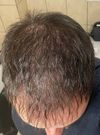
The user is considering combining finasteride and minoxidil tablets into a topical solution that already includes Garnier Fructis stemoxydine and CB0103. They are seeking advice on whether this combination is effective and safe.
Pelage Pharmaceutical raised $120 million to continue research on PP405, a promising hair loss treatment that showed a 20% increase in hair density in 31% of men during a Phase 2a trial. The treatment was well-tolerated, with no systemic absorption, and Phase 3 trials are planned for 2026.
A user is seeking a Minoxidil solution without coconut derivatives due to a coconut allergy and is considering DIY options from pure Minoxidil tablets. They mention that Rogaine contains glycerin and cetyl alcohol, which are derived from coconut.
Topical finasteride that doesn't penetrate the skin could potentially treat hair loss without side effects. Current challenges include finding a formulation that remains on the scalp without increasing blood levels.
A 35-year-old is considering Breezula, Pyrilutamide, or topical finasteride/dutasteride to protect against hair loss while on testosterone replacement therapy (TRT). They currently use finasteride, oral minoxidil, and dutasteride but experienced increased hair shedding with TRT.
The conversation discusses using RU58841 as a topical treatment for hair loss, with some users reporting no systemic issues. The original poster is considering RU58841 due to limited progress with dutasteride and oral minoxidil.
User experienced scalp irritation from Kirkland 5% liquid minoxidil, likely due to propylene glycol. They are seeking non-PG liquid alternatives that are affordable.
The user started finasteride and oral minoxidil for early-stage hair loss around the crown and underwent a session of exosome treatment 3.5 months ago. They are seeing some improvements and are questioning the effectiveness of exosomes for hair regrowth.
The post is about using different solutions for RU58841, a treatment for hair loss. The user is asking for opinions on the effectiveness of different vehicles and dosages.
Spraying or drinking topical minoxidil is dangerous and less effective than oral minoxidil. Proper oral minoxidil, like Loniten®, is recommended for safety and effectiveness.
The conversation is about making topical finasteride using ethanol. The user is advised to use non-denatured or food-grade ethanol, as denatured ethanol may be harmful with prolonged skin exposure.
The conversation is about a homemade hair loss treatment serum containing Procyanidin B2, Aloe Vera Gel, Coconut Oil, Castor Oil, and Rosemary Essential Oil. The main concern is finding an affordable source of Procyanidin B2 and ensuring its stability in the serum at room temperature.
The user is exploring hair loss treatments in China, currently using finasteride and minoxidil, and is concerned about seborrheic dermatitis. Clinics are recommending selenium sulfide, doxycycline, and mesotherapy ampoules like PT88/PT66 or SP88/SP66, but the user is unsure about their effectiveness.
The conversation discusses the use of 0.1% latanoprost for hair regrowth, with concerns about cost and dependency. The user currently uses dutasteride and oral minoxidil and is considering adding latanoprost to their regimen.
Concerns about using 0.3% topical finasteride due to potential side effects like decreased libido and gynecomastia. Suggestions include using less than 1ml or considering 1mg oral finasteride.
A user discusses making DIY dutasteride capsules from powder bought from China, using a mix of MCT oil and propylene glycol. Others warn about the risks of incorrect dosing, potential degradation, and the possibility of receiving fake products.
Hair loss treatments, specifically the use of oral minoxidil in combination with micro-needling. Oral minoxidil has been found to improve hair density in 90% of patients with a low side effect profile, but using 5mg per day can result in higher side effects including hypertrichosis and edema. Other treatments mentioned include finasteride and RU58841.
User discusses using low dose topical finasteride without minoxidil for hair loss. Another user shares their experience with homemade 0.025% finasteride topical, shedding, and microneedling.
The conversation is about finding a legitimate source for Procyanidin B2 or Apple Extract with a clear percentage of Procyanidin B2 for making a topical solution. The user reports thicker and darker body hair after taking Oral Apple Polyphenols extract.
The conversation is about using RU58841 for hair loss treatment, specifically mixing it with minoxidil without propylene glycol due to an allergy. The user is considering starting with a lower concentration of RU58841 and making smaller batches to maintain efficacy.
A user shared their experience obtaining a finasteride prescription through Lemonaid, highlighting the ease of the process without needing to provide photos. They chose oral finasteride for preventative hair loss treatment due to a family history of baldness and received a year’s supply at a low cost.
Mixing 1ml of topical Minoxidil and Pyrilutamide (2ml total) together in a container and applying immediately is being discussed. The concern is whether this method degrades or compromises the efficacy of either compound.
A 29-year-old shares progress on hair recovery using a daily liposomal topical mix of finasteride and minoxidil, iRestore device, and several vitamins. They report no side effects from the topical treatment, unlike previous issues with oral finasteride.
The user is exploring alternatives to finasteride and dutasteride due to concerns about side effects, and is using rosemary and jojoba oil, ketoconazole, minoxidil, microneedling, multi-peptide serum, saw palmetto, and stinging nettle for hair loss. They are also considering CB 03 01 and spironolactone.
The conversation is about making homemade topical finasteride by crushing pills and mixing them with ethanol and propylene glycol or minoxidil. Users discuss sourcing options and share experiences with DIY solutions.