Search
for
Sort by
Community Join
420-450 / 1000+ resultscommunity Itching during shedding phases: Nuancing the DHT itch?
Increased scalp itching during shedding phases while on finasteride treatment may coincide with hair regrowth and recovery. This suggests that itching might not always indicate continued hair loss and could encourage persistence with the treatment.
community I think Ru58841 stopped my itching.
RU58841 stopped scalp itching for the user, providing relief from persistent itchiness associated with hair loss. Some users reported side effects like chest pain, while others found relief with different treatments like mometasone.
community microneedling and sun exposure
Avoid sun exposure for 7-14 days after microneedling the scalp, using a hat for protection. Sunscreen on the scalp can be messy and irritating.
community Just a heads up guys. The DHT itch.
community Testicular pain/discomfort....how long will this last? (29/m)
A user experienced testicular pain after taking finasteride for hair loss and considered lowering the dose to 0.25mg to manage side effects. They also considered adding minoxidil to their routine while seeking advice on whether to continue or stop finasteride.
community Has anyone noticed the link between natural breast enhancement and natural hair treatment protocols
Certain oils and treatments used for natural breast enhancement, like fenugreek oil and shatavari, may also help with androgenetic alopecia due to their estrogen link. The discussion suggests these items might pause hair loss.
community deeper understanding of microneedling
community Is There Any Chance Of Cancer In Follicle Neogenesis through Microneedling?
The conversation discusses concerns about the potential risk of cancer from creating new hair follicles through microneedling, due to stem cell division. Specific treatments mentioned include microneedling, caffeine-containing anti-hair loss shampoos, and other unspecified topicals.
community Blood work after 4 month topical fin/min
After 4 months of using topical finasteride and minoxidil, blood tests showed increased E2, Test, and Prolactine levels. The user is concerned about potential side effects like gyno and is seeking advice on managing these values.
community Minoxidil allergy with swollen lymph nodes - Need help!
A user experienced an allergic reaction, including swollen lymph nodes, to Minoxidil 5% with an aqueous base. Switching to a non-alcohol-based Minoxidil (Prolox 5%) resolved the allergies.
community Fixed redness & itching with tea tree oil shampoo. Hair also became thicker. Demodex may be the cause.
Tea tree oil shampoo resolved redness, itching, and increased hair thickness for the user, suggesting demodex mites as a possible cause. Nizoral was ineffective, but tea tree oil showed significant improvement over several months.
community Prolactin's role in antitumor activity of the immune system - a safety concern for HMI-115?
Hair loss discussion includes treatments Minoxidil, Finasteride, and RU58841. Prolactin's role in immune system's antitumor activity raises safety concerns for HMI-115.
community Quercetin got rid of my scalp soreness
Quercetin reduced scalp soreness and may help with histamine-related hair loss. The soreness felt like inflamed follicles beneath the scalp surface.
community Redness and flaking from topical minoxidil
Topical minoxidil with tretinoin is causing redness, stinging, and flaking on the scalp. Reducing application frequency and using anti-dandruff shampoo may help alleviate symptoms over time.
community How to microneedle without infection
Microneedling can cause infections if not done carefully; users suggest using alcohol swabs and reducing needle depth to avoid issues. Proper sanitation and gentle pressure are key to preventing bleeding and infection.
community I feel so discouraged. It’s month 3 of microneedling and I see nothing.
The user feels discouraged after three months of microneedling with no visible hair regrowth, despite using 5% topical minoxidil and 200mg of spironolactone. Others suggest waiting 12 months for results, checking vitamin D levels, and considering tretinoin or tazarotene cream instead of microneedling.
community What is this pigmentation around my follicles?
The conversation discusses potential causes of pigmentation around hair follicles, suggesting sebum buildup, autoimmune conditions, or dermatitis. Treatments mentioned include finasteride, dutasteride, and an anti-inflammatory diet, with a recommendation to consult a doctor for a proper diagnosis.
community Am I microneedling right (only slight redness)?
Microneedling for hair regrowth, using a 1.0 dermastamp, is discussed with a focus on achieving slight redness without bleeding. Minoxidil is mentioned as an effective treatment when used after dermastamping.
community personal progress (~8-9months) with fin(1.25mg)/min/needling/niz
A user's personal hair loss progress with treatments, including finasteride (1.25mg), minoxidil, needling, and Nizoral; and advice from other users on how to perform the needling correctly.
community DHT Itch flareups and information
community My scalp is dry and scaly feeling 2 weeks after microneedling
A user experienced a dry, scaly scalp two weeks after microneedling with a dermapen at 1mm and applying Rogaine foam. They tried moisturizers and coconut oil without success and are seeking advice.
community Scalp itching and tickeling- what's does it mean?
User experienced scalp itching and hair loss, but found relief with oral minoxidil. Others suggest "DHT itch" as a possible cause and recommend finasteride and ketoconazole to address it.
community 9 months fin daily, inconsistent topical min, microneedling 1x per week
community Microneedling at 1mm feels I'm hitting my skull
A user discusses their experience with at-home microneedling at 1mm for hair growth, feeling like they're hitting their skull. Other users suggest lowering the needle depth or stopping due to discomfort.
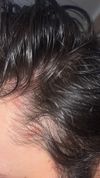
community Recent Scalp Itching and Redness, Using Tea Tree/Rosemary Oil, Advice?
The user is experiencing scalp irritation and hair thinning, possibly due to stress, with red patches on the face and dry skin. They are considering seeing a dermatologist and have used tea tree and rosemary oil.
community Seeking Solutions for Itchy Scalp from Minoxidil and Tretinoin Use with Nizoral and Aloe
Minoxidil and tretinoin can cause scalp dryness and itchiness. Using Nizoral, aloe, a lighter minoxidil formula, or a water-based moisturizer like one with hyaluronic acid may help alleviate these issues.
community Is it normal that fin tingles in the mouth?
A user experienced a tingling sensation in their mouth after taking a cut finasteride pill, possibly due to inactive ingredients like mannitol or sodium lauryl sulfate. Tingling is not a common side effect or typical allergy sign, but monitoring for unusual reactions is advised.
community The 'DHT itch' is real - notes from a casual bodybuilder
The "DHT itch" is real and likely due to inflammation at the hair follicle, exacerbated by increased testosterone or androgens. Treatments mentioned include dutasteride, minoxidil, finasteride, and various topical solutions.
community Has anyone tried Peptonix microneedling?
The conversation discusses Peptonix microneedling, a copper peptide serum, as a potential hair loss treatment. Users compare it to finasteride and minoxidil, noting side effects and personal experiences with these treatments.