Anageninc stopping the sale of Pyrilutamide due to a cease and desist order from Kintor, with some speculating that it was either a hoax or subpar product.
A female user with alopecia is researching peptide usage, specifically ghk-cu, for hair loss. Other users shared mixed experiences with copper treatments, noting some success with topical application.
PP405 is a potential hair loss treatment showing promise, especially for men with severe balding. Some are hopeful it will be a game-changer for those who cannot tolerate finasteride or minoxidil, despite skepticism about the outcomes.
A dermatologist recommended PRP (Platelet Rich Plasma) and GFC (Growth Factor Concentrate) for pattern baldness, but online sources suggest they may not be effective. The user is seeking opinions on these treatments.
The user is experiencing hair loss, initially diagnosed as Telogen Effluvium due to stress, but is concerned it might be Androgenetic Alopecia (AGA). A suggestion was made to consider using Minoxidil or Finasteride if the condition worsens.
PP405 is a promising experimental topical treatment for alopecia that reactivates dormant hair follicles by targeting cellular energy, with large-scale trials planned for 2026. While it shows potential, it cannot regenerate permanently destroyed follicles, making hair transplants the only guaranteed solution for advanced baldness currently.
A Phase 1 update for the HMI 115 clinical trial, which involves 16 participants and is expected to end in July 2023; as well as changes to the recruitment process, including treatment protocols with Minoxidil, Finasteride, and RU58841.
User DeadRay9 reports good progress on finasteride and ketoconazole, with irregular microneedling. They take 1.25mg finasteride, experienced increased libido, and saw improvements at 3-5 months.
Hair loss treatments discussed include Minoxidil, finasteride, and RU58841. Concerns were raised about delays in product presentations and business strategies.
The conversation is about the potential cost of GT20029 if FDA approved, with estimates around $150/month. Comparisons are made between GT20029, finasteride, and their mechanisms and side effects.
Pelage plans to release phase 2 results and start phase 3 trials for PP405 in 2050, but skepticism remains due to past delays and unfulfilled promises. Users express frustration over the lack of progress in hair loss treatments, mentioning Minoxidil, finasteride, RU58841, CB-03-01, and Fluridil.
Pyrilutimide and CB-03-01, two treatments for hair loss, have similar clinical trial results despite different binding affinities to androgen receptors. Factors other than binding affinity, like the time a drug stays bound to the receptor, may influence their effectiveness.
Minoxidil, finasteride, and RU58841 are discussed as treatments for hair loss, with excitement around a new drug, PP405, and a reformulated oral minoxidil in trials. Concerns about cost, side effects, and long-term use are also mentioned.
A natural sugar called 2dDR may stimulate hair growth and is comparable to minoxidil, but it's not widely available for purchase. Concerns about minoxidil's safety for pets were discussed, with some users seeking alternatives.
A user tried the Rapid Minoxidil Response Test (TrichoGene) and found they don't respond to topical Minoxidil, so they added tretinoin. The test is available internationally, and another user is considering ordering it.
High cost of studying 3α-Hydroxysteroid dehydrogenase in hair loss led to suggestions of crowdfunding for research. Users discussed using Procyanidin B2/melatonin topical treatment and tracking funds with blockchain.
KX-826 is discussed as a hair loss treatment, with comparisons to finasteride. It is noted to be more expensive, harder to source, and generally used for stabilization rather than growth.
A 48-year-old who had been thinning since 25 and reached NW4-5 baldness saw no improvement with 1mg/day finasteride and 5% minoxidil twice a day after 8 months. After copying another person's routine, they now use 0.5mg finasteride, ketoconazole shampoo weekly, daily microneedling with 0.5mm and 1mm once a week, and apply minoxidil twice daily, resulting in baby hairs on their bald spot and temples after three months.
The relative strength of Pyrilutamide compared to RU58841 in terms of androgen receptor binding affinity. It has been noted that Pyrilutamide is 4x stronger than RU58841, with a higher binding affinity than DHT itself.
PP405 is a potential hair loss treatment that may work by blocking signals that cause hair cells to stop growing, requiring daily application for effectiveness. It could serve as an alternative to minoxidil and finasteride, but it is not yet available on the market and may take several years to be released.
Regenepure is recommended for hair loss due to its gentle formula and beneficial ingredients like Saw Palmetto and Biotin, despite having only 1% Ketoconazole. Nizoral is noted for its higher Ketoconazole content but is considered harsher on the scalp.
The conversation discusses anticipation for CB-03-01, a potential new hair loss treatment that may be more effective and have a cleaner safety profile than finasteride. Users are hopeful but cautious, discussing current treatments like minoxidil, nizoral, and dermarolling, and the possibility of combining them with CB-03-01 for better results.
A user is considering using niacinamide serum on their hairline to address dandruff and itching caused by minoxidil. They seek advice on the frequency of application.
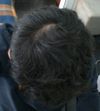
How Pyrilutamide, a hair loss treatment, has improved texture and regrowth of hair without any side effects for users, who are encouraged to post progress photos.
Male pattern baldness (MPB) may be an early warning sign for type 2 diabetes due to its association with insulin resistance. Treatments discussed include testosterone therapy and finasteride, which affects hormone levels related to hair loss and insulin sensitivity.
The conversation discusses the effects of Pyrilutamide on hair growth after two months, with one person noting that while new hair regrowth isn't apparent, existing hair appears longer and thicker.
A user's successful hair regrowth journey using a cocktail of finasteride, minoxidil, and ketoconazole. The user started seeing noticeable results after 8 months and also incorporated saw palmetto, biotin, keratin, and dermarolling into their routine.