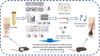
Hair loss and potential treatments, primarily focusing on Finasteride and Minoxidil. Other solutions discussed include PRP, dermarolling, LLP, and scalp tension relief.
How androgens, including testosterone, can cause hair follicles to miniaturize in people with sensitivity to androgens, and treatments such as finasteride, dutasteride, minoxidil, RU58841, or fluridil may be used in combination for long-term treatment.
The user is experiencing excessive hair thinning and is unsure of the cause. They are seeking opinions on treatments like Minoxidil, finasteride, and RU58841.
Diffuse thinning is often due to androgenetic alopecia, and DHT blockers like finasteride are recommended. Treatments mentioned include minoxidil, finasteride, dutasteride, and RU58841, with emphasis on starting early and using a holistic approach.
Essential oils like rosemary, thyme, lavender, and cedar wood in a carrier oil may effectively treat alopecia areata and potentially male pattern baldness by stimulating the scalp similarly to minoxidil. The user plans to try this routine and share results.
Increased Malassezia and Cutibacterium in the scalp microbiome are linked to higher sebum production and inflammation in androgenetic alopecia (AGA). Treatments include ciclopirox shampoo, benzoyl peroxide shampoo, clobetasol propionate, calcipotriol, minoxidil, finasteride, and dutasteride.
Balding scalps have more androgen receptors, leading to increased TGF-beta, which causes blood vessel loss and hair follicle miniaturization. Blocking androgen signaling and TGF-beta may help prevent hair loss.
The user is experiencing severe hair loss after surgery and stress, with thinning all over the head, including the sides and neck. They are unsure if it's due to DUPA or alopecia areata incognita, and doctors have not observed miniaturization.
The user is experiencing diffuse hair thinning despite using finasteride and oral minoxidil, with no hairline recession or bald spots. Suggestions include checking for telogen effluvium, considering a JAK inhibitor for potential autoimmune issues, and conducting further tests to rule out other causes.
The conversation discusses using scalp antiandrogens like RU58841, pyrilutamide, or fluridil on the face to reduce sebum production, noting that clascoterone (winlevi) is an approved facial antiandrogen with underwhelming reviews.
Topical formulations, natural products, and CAM therapies are being used to treat Androgenic alopecia to avoid side effects of Finasteride and Minoxidil. The review covers various low-risk, alternative treatment options.
A woman who has been experiencing hair loss for several years, and her question of whether there is any benefit to getting a biopsy to check if it's AGA or diffuse alopecia areata when no cure or very effective treatment exists. Treatments such as spironolactone and Minoxidil/finasteride/RU58841 have previously been discussed.
Inflammation on the scalp can hinder hair regrowth and the effectiveness of treatments. The user is using ketoconazole shampoo, Selsun Blue, finasteride, and oral minoxidil.
Fucoidan may help regrow hair and reduce inflammation in androgenetic alopecia. It is unclear if simply mixing fucoidan powder into a serum for application is effective.
The conversation is about a person experiencing treatment-resistant androgenic alopecia despite using high doses of dutasteride and minoxidil, along with other treatments like microneedling and purilutamide. Suggestions include considering a hair transplant, checking medication authenticity, and exploring other treatments like RU58841 or topical estradiol.
The user is experiencing aggressive diffuse thinning despite using 1mg oral finasteride daily, topical minoxidil twice, microneedling, and Nizoral for seborrheic dermatitis. They are considering switching to dutasteride or RU58841 but are advised to seek a second opinion to determine the cause of hair loss.
The user experienced chronic telogen effluvium and mild male pattern baldness, treated with finasteride, oral minoxidil, and later switched to dutasteride, which stopped excessive hair shedding. Other treatments like low-level laser therapy, hair loss shampoos (except ketoconazole), and supplements were ineffective.
A 22-year-old male has been experiencing widespread hair loss for over four years, including pain and significant shedding. Treatments tried include ketoconazole shampoo, fluocinonide topical solution, biotin, ACV, and dry shampoo, but none have been effective.
The user experienced hair thinning and used microneedling, DHT blocking shampoo, and Biotin DHT blocking oil to address it, avoiding finasteride and minoxidil unless necessary later. They reported mild improvement but received mixed feedback, with some suggesting other conditions or treatments like ciclopirox shampoo.
A user is seeking a hair-loss shampoo without salicylic acid due to an allergy. Recommendations include using Finasteride, Minoxidil, and Nizoral Anti-Dandruff Shampoo (ketoconazole), while avoiding Nizoral Scalp Psoriasis Shampoo & Conditioner.
Hair loss is often linked to inflammation and DHT, with treatments like finasteride, dutasteride, and minoxidil being effective for many. Natural remedies like turmeric and oils are discussed, but medications are generally seen as more reliable for managing genetic hair loss.
A user with seborrheic dermatitis and traction alopecia is seeking alternatives to minoxidil for hair loss, considering rosemary oil for its anti-inflammatory properties. They express concerns about potential side effects and effectiveness of various treatments, including rosemary oil, caffeine, and Redensyl.
Treatment options for hair regrowth other than minoxidil or finasteride, due to side effects from the latter, with platelet-rich plasma and topical treatments being among the suggested alternatives.
DUPA and retrograde alopecia may not be solely DHT-based, and a biopsy is crucial for accurate diagnosis and treatment. Treatments mentioned include dutasteride, oral minoxidil, pioglitazone, clobetasol, calcipotriol, ketoconazole, and doxycycline, depending on the specific condition.
A 25-year-old man with mild hair loss is using a topical finasteride treatment, biotin and ajuga reptans supplements, ketoconazole shampoo, and microneedling for hair growth. Due to a heart condition, he can't use minoxidil and is seeking alternative hair growth treatments, considering both medicinal and natural remedies like rosemary oil.
Treatments for androgenic hair loss, including the use of finasteride, minoxidil, nizroal and microneedling/dermarolling. Side effects are discussed and it is noted that while there are tradeoffs to taking medications, they are generally safe and effective.
The user reported subtle hair regrowth by focusing on scalp health and lifestyle changes, using Nizoral shampoo and methods to reduce inflammation and cortisol, without using finasteride, minoxidil, or other common treatments. Opinions in the conversation varied, with some skeptical of the results and others acknowledging the potential benefits of addressing scalp health and inflammation.
PP405 is ineffective for miniaturized, fibrosed hair follicles in androgenetic alopecia. AMP303 may activate hair follicle stem cells, but minoxidil and finasteride are still the main treatments.
A user experiencing hair loss received three different diagnoses: androgenic alopecia, traction alopecia, and scarring alopecia, and tried treatments like minoxidil and finasteride without success. They are considering dutasteride but were advised to seek anti-inflammatory medication instead.
A 25-year-old is experiencing chronic telogen effluvium (TE) and androgenetic alopecia (AGA) after surgery, using finasteride, red light therapy, and supplements, and considering oral minoxidil despite heart concerns. They are unsure whether to start minoxidil before or after an upcoming surgery, which may trigger another hair shed.