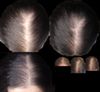
A 21-year-old woman diagnosed with male pattern baldness (MPB) who is considering treatments such as spironolactone, minoxidil and finasteride to address her hair loss. The user also discusses potential solutions for concealing the appearance of her thinning hair, such as wigs or haircuts.
The conversation discusses the effectiveness of finasteride and dutasteride for hair loss, with some users finding no improvement and experiencing side effects. It also mentions the use of RU58841 and topical minoxidil, highlighting that hair sensitivity to DHT varies among individuals.
The conversation is about a person struggling with inconsistent hair styling due to thinning hair, despite being on hair loss medications. They find that ketoconazole 2% shampoo helps, but conditioning makes their hair look worse; others suggest staying consistent with treatment and using hair fibers for events.
The user has been using 5% minoxidil with 0.1% finasteride for 8 months with great results but noticed increased hair loss in winter. They also found vitamin deficiencies and improved their diet and exercise but are still experiencing hair loss.
An 18-year-old is using 0.1% topical finasteride and 1.25 mg oral minoxidil daily for hair loss. After four months, they experienced initial thinning but some regrowth, and are considering switching to dutasteride due to aggressive hair loss.
The user has been using finasteride for 4 years and minoxidil for 1 year, with a recent break from minoxidil due to shedding concerns. They resumed minoxidil and started dutasteride 3 times a week, but are experiencing increased hair shedding.
Finasteride reduces DHT production, so blood tests can track hormonal changes. Pyrilutamide blocks androgen receptors without altering hormone levels, making blood tests less useful for detecting its effects.
Despite using treatments like Dutasteride, Minoxidil, RU58841, and GHK-Cu injections, the individual continues to experience aggressive hair thinning and is seeking a specialist for further help. Suggestions include trying finasteride, dermarolling, or another hair transplant.
A 25-year-old male with seborrheic dermatitis and hair thinning seeks advice on the severity of his condition and treatment options. Oral finasteride and oral minoxidil are recommended as the most effective long-term treatments.
People often notice and analyze others' hairlines due to their own insecurities about hair loss. Treatments mentioned include finasteride, minoxidil, dutasteride, and red light therapy.
Switching from finasteride and topical minoxidil to oral dutasteride and oral minoxidil can cause initial hair shedding, but many users report improvement after a few months. Opinions vary on whether to taper off or switch directly, with some suggesting gradual changes to monitor side effects.
The user shared their hair loss journey, noting significant improvement after using finasteride since June 2024 and recently starting minoxidil in April 2026. They encourage others to have faith in treatments like finasteride, minoxidil, or other options.
The user shared progress pictures showing hair regrowth after 6 months on finasteride and 3 months on minoxidil. They reported increased hair thickness and density without side effects from the treatments.
A 25-year-old male with androgenetic alopecia experienced improved hair condition after using finasteride, oral minoxidil, and dutasteride, but later faced diffuse thinning and texture deterioration after a shedding phase. Others suggest patience, continued treatment, and using ketoconazole shampoo, with some sharing similar experiences of post-shed thinning.
Using the "big three" hair loss treatments (Minoxidil, Finasteride, and Ketoconazole) can initially make hair look worse, often causing dryness and a "straw" texture. Adjusting the routine with gentler shampoos and conditioners can improve hair appearance while waiting for the treatments to show results.
The user shared impressive hair regrowth progress after 3 months using topical finasteride and minoxidil, noting initial libido reduction that normalized. Other users discussed lighting differences in photos, shared personal experiences, and emphasized the importance of consistency for continued results.
Many people are switching from Finasteride to Dutasteride for hair loss treatment, believing Dutasteride to be more effective and sometimes experiencing fewer side effects. Some users report initial shedding with Dutasteride but suggest it may lead to better long-term results, while others experience side effects or choose to combine treatments like Minoxidil.
High-dose Lysine and Histidine supplements caused curly/kinky hair and shedding due to Elastin dysfunction. Minoxidil, white tea, and dark grape juice were mentioned as treatments to inhibit Elastase and mimic Lysyl Oxidase.
Folligenz liposomal minoxidil sulfate is being discussed for its effectiveness and cost, with users comparing it to regular minoxidil and tretinoin. One user found no difference with the 10% version and noted that a lower tretinoin percentage reduced side effects like skin peeling.
A 17-year-old is using topical minoxidil for hair loss and is considering other treatments like ketoconazole shampoo and saw palmetto while waiting to start finasteride at 19. Suggestions include using oral minoxidil, topical antiandrogens like RU58841, and CB-03-01, with a focus on minimizing systemic DHT impact.
Finasteride may inhibit melanin production, affecting tanning and causing white hairs in the beard and eyebrows. The user considers switching to oral Dutasteride or topical treatments to address these issues.
A 30-year-old shared their one-year hair regrowth progress using 5% topical minoxidil, 5 mg oral minoxidil, 1 mg finasteride, Nizoral shampoo, and bi-weekly microneedling. Users discussed the effectiveness of these treatments, with some noting shedding as a temporary phase before stronger regrowth.
Vitamin D supplementation may have led to slight hair regrowth and density improvement. Other treatments discussed include finasteride, minoxidil, and maintaining optimal vitamin D levels.
A 31-year-old male experienced significant hair regrowth after 6 months using daily 0.5 mg dutasteride, 5% topical minoxidil twice a day, occasional dermarolling, and hair supplements. He reported a slight decrease in libido initially but no other side effects, and there's potential for further improvement up to 12–18 months.
A 22-year-old user shared progress pictures after 5.5 months of using a topical solution containing Minoxidil and Finasteride for hair loss, noting increased hair density and reduced hair fall despite inconsistent application. The user recently switched to oral Dutasteride and Minoxidil due to difficulty with topical solutions and plans to update after a year.
The user has been using 1mg finasteride and 2.5mg oral minoxidil for three months, noticing new blonde hairs but experiencing ongoing shedding. They also use GHK-Cu, which has improved skin but not hair.
The user shared progress pictures after 80 days on oral minoxidil, noting improvement despite some shedding and no side effects. The discussion included comparisons between oral and topical minoxidil, with some users preferring oral for convenience and effectiveness.
A 30-year-old with Norwood 3V hair loss uses finasteride 1.25 mg every other day and Minoxidil (Regaine 5%) twice daily, experiencing no side effects with the current regimen. The front hairline remains unchanged, but the crown appears better in certain lighting.
Using topical finasteride alongside oral finasteride likely won't provide significant benefits and may increase the risk of side effects. The "4-in-1" spray offers a higher minoxidil concentration but may not be worth switching if oral finasteride is well-tolerated.