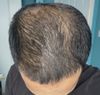
Switching from finasteride to dutasteride and oral minoxidil led to thicker hair and reduced hairline recession. Occasional flushing from minoxidil will be managed by lowering the dose.
The conversation discusses skepticism towards unconventional hair loss remedies, emphasizing the effectiveness of proven treatments like oral DHT blockers, topical minoxidil, and finasteride. It criticizes misleading advice and highlights the importance of starting effective treatments early.
Oral Dutasteride and topical Minoxidil significantly improved hair regrowth over nine months. Other users shared mixed results and side effects with treatments like oral Minoxidil and Finasteride.
Finasteride is humorously blamed for causing car problems and bizarre side effects. Users joke about switching to treatments like dutasteride and minoxidil.
The user is considering whether to continue using a comb-over to hide thinning hair after a hair transplant, which helped the front but not the crown. They are seeking advice on whether to maintain the current style or change it due to noticeable balding.
An 18-year-old shaved his head due to hair loss and feels relieved, despite using Minoxidil and Finasteride without success. Many suggest seeing a dermatologist as the hair loss pattern doesn't resemble typical male pattern baldness, and some recommend trying Ketoconazole.
The user is seeking cheaper options for finasteride and minoxidil in Canada, as their current treatment costs nearly $100 monthly. They mention insurance doesn't cover finasteride and face prescription limitations.
The user experienced significant hair regrowth and increased density after six months of using oral minoxidil and finasteride chewables, despite going through a secondary shedding phase. The only side effect mentioned was restlessness, and the user feels healthier overall.
The user is concerned about worsening hair loss after 9 months on 1.25 mg finasteride, with suggestions to add minoxidil and consider dutasteride. Some users report decreased shedding with different treatments, while others note possible issues with photo comparisons.
The user shared positive results after using 5% minoxidil foam nightly and dermastamping weekly for hair growth, noting significant progress after three months. They plan to add finasteride in the future but are currently avoiding it due to age.
Using a combination of low-dose oral and topical finasteride, along with minoxidil, may effectively manage hair loss by targeting both systemic and local DHT. Users report positive experiences with this regimen, noting good tolerability and no worsening of hair condition.
Oral minoxidil is more effective than topical for some users, increasing hair density and thickness. Lack of response to topical minoxidil may be due to insufficient sulfotransferase enzyme, which can be upregulated with tretinoin.
Veradermics' extended-release oral minoxidil is expected to be commercially available in 2027-2028, while another company, Minx, may release a similar product sooner. VDPHL01 is considered more clinically validated compared to Minx.
A user shared their 6-month progress using 1mg finasteride daily for hair loss, noting no significant shedding or changes in hair condition. They are considering starting oral minoxidil and received advice suggesting dutasteride and oral minoxidil 5mg for better regrowth.
2.5mg oral minoxidil can be effective for hair regrowth, but 5mg often shows more dramatic results. Users at Norwood 2 using 1mg finasteride may see modest regrowth with 2.5mg, and it's suggested to give it a proper trial.
The user reports a stable receding hairline with new hair growth after using 5% minoxidil, 1mg oral finasteride, D-Biotin daily, derma rolling twice a week, and three PRP sessions per month. They plan to update their progress in four months.
The user experienced noticeable hair thickening after 75 days using 5mg oral minoxidil, 1.25mg finasteride, ketoconazole shampoo, and weekly dermastamping. They also reported increased body and facial hair growth.
An 18-year-old is experiencing significant hair loss and is concerned about treatment options, including finasteride, minoxidil, and dutasteride, due to potential side effects and costs. They are also taking vitamins for deficiencies and considering alternatives like hair transplants or embracing the bald look.
The conversation humorously discusses a visit to the Everychem laboratory, with a focus on hair loss treatments like Minoxidil, finasteride, and RU58841. The tone is satirical.
Oral dutasteride and topical Minoxidil are used to treat hair loss, with the goal of suppressing DHT and improving hair density. The effectiveness depends on genetics and the duration of baldness, and lifelong treatment may be necessary to maintain results.
Pumpkin seed oil is considered a weak DHT blocker compared to finasteride and dutasteride, with some users reporting side effects like mood changes and reduced libido. Despite some anecdotal benefits for urinary issues, it is not effective for hair loss, and finasteride is preferred by some users for its lack of side effects.
The user shared progress pictures showing hair improvement from using oral finasteride and topical minoxidil between September 2023 and May 2026. Responses express amazement at the results.
Switching from finasteride and topical minoxidil to oral dutasteride and oral minoxidil can cause initial hair shedding, but many users report improvement after a few months. Opinions vary on whether to taper off or switch directly, with some suggesting gradual changes to monitor side effects.
The user had a hair transplant 5 years ago and is currently using 1 mg finasteride and topical minoxidil but is not seeing an increase in hair volume. They are considering another transplant to improve hair volume.
The user shared progress pictures over four months using topical finasteride (0.1%) and minoxidil, initially at 7% and later increased to 10%, with retinoic acid. Another user suggested trying a hair system or shaving, doubting the effectiveness of the treatments.
Users discussed using lower doses of finasteride and minoxidil for hair loss. Some experienced side effects like arrhythmia, while others reported slowed hair thinning but not complete prevention.
A user shared their experience with two hair transplants in Istanbul, highlighting the importance of choosing clinics with a low doctor-to-patient ratio, ISHRS membership, thorough consultations, and reliable aftercare. They emphasized the significance of PRP shots post-procedure and advised careful selection of clinics, especially for crown procedures, due to limited donor area opportunities.
A user shares their 11-week progress using 1mg finasteride, 5% minoxidil twice daily, 0.8mm dermastamping every 10 days, occasional tretinoin, and ketoconazole shampoo for hair regrowth. They plan to continue the treatment for 9 months before considering a hair transplant.
The user is 3 months into using dutasteride and oral minoxidil after switching from finasteride, noticing potential regrowth with small hairs at the temples. They take 2.5mg oral minoxidil and 0.5mg dutasteride daily, with some eyelash and eyebrow growth observed.
The user experienced hair regrowth with dutasteride and oral minoxidil from October 2025 to January 2026, but mid-scalp density decreased afterward despite continued treatment. Ketoconazole improves scalp condition, but stopping it worsens hair appearance.