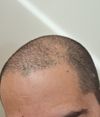
Creating a topical solution combining finasteride and stemoxydine to treat hair loss, and the discussion of whether 15mg of finasteride would be sufficient for 60ml solvent.
The user has been using 0.5 mg dutasteride and 2.5 mg oral minoxidil for a year, recently adding microneedling and topical minoxidil, with some improvement but the crown remains the weakest area. Consistency and realistic expectations are advised, as progress is slow and coverage is challenging with fine hair.
Hair loss treatment using 1mg Fin, 1mg Min, weekly dermarolling, and daily stemoxydine. Advice given: continue for 6 months and consider adding ketoconazole shampoo.
The user is considering stopping finasteride after 1.8 years due to concerns about side effects and is exploring alternatives like minoxidil and topical finasteride. They are also considering microneedling and are advised to wait for new treatments like breezula/clascoterone.
An 18-year-old is using a high-dose treatment for hair loss, including 2.5 mg dutasteride, topical minoxidil, and injectable GHK-Cu, despite minimal hair loss. Many users suggest reducing the dutasteride dose due to potential side effects and recommend starting with finasteride instead.
The user is discussing their hair loss treatment stack, which includes CB-03-01, Fluridil, Alfatradiol, Cosmerna, microneedling, and Stemoxydine. They have seen some new hair growth but wish they could use finasteride.
A user shared their positive experience with a 2200 graft FUE hair transplant at DiStefano Hair Restoration in Worcester, MA, praising Dr. Heinis and his staff for their care. The user is also using oral Dutasteride, topical Minoxidil, and vitamins D and B.
The conversation is about finding an alternative hair growth stimulator for someone who cannot use Minoxidil due to heart issues. The person is currently using topical dutasteride, azelaic acid, and occasional microneedling, and is considering options like retinyl palmitate, latanoprost, certizine, or tadalafil.
PP405 updates are seen as vague and lacking substance, causing frustration among users. Some users report positive effects from using minoxidil and dutasteride, while others remain skeptical about new treatments.
Hair regrowth treatments, including stem cell injections, are discussed, with skepticism about their effectiveness compared to Minoxidil and finasteride. Derma stamping is mentioned as effective when used with Minoxidil, finasteride, and dutasteride.
The user is using topical finasteride (1MG in 30ML stemoxydine) and experiencing a lack of morning erections after three months. They are questioning whether to discontinue the treatment or if the side effect will resolve if they continue.
User shared positive results after 4 months using 1.25mg finasteride, topical minoxidil, daily biotin, and weekly dermarolling. They expressed gratitude to another user for the advice.
The conversation discusses switching from a dermaroller to a dermastamp for microneedling, with recommendations on technique and frequency to avoid bleeding. The user also uses minoxidil and dutasteride for hair loss treatment.
Dutasteride raises scalp testosterone by 99%, which may not be ideal for those sensitive to all androgens. Some argue finasteride's balancing act might be better, while others believe dutasteride is superior for hair regrowth.
The user experienced no results for 3.5 years while using finasteride, minoxidil, and microneedling, but saw improvement after increasing Dutasteride to 0.6mg daily. Current routine includes Dutasteride 0.6mg, minoxidil once a day, and supplements like collagen, biotin, and vitamin D.
Considering a switch from finasteride to dutasteride for hair loss treatment, and the use of minoxidil as a last resort due to its effects on hair texture.
The user has been using finasteride inconsistently for 2 years and minoxidil for 6 months without seeing hair growth. They are considering switching to dutasteride and restarting minoxidil to address thinning at the right temple, with advice suggesting consistent use for better results.
Spironolactone, finasteride, and dutasteride are discussed for hair maintenance, with concerns about testosterone and side effects like gynecomastia. Spironolactone is noted for use in both bodybuilding and hormone therapy, with low doses considered for minimizing side effects.
The user is experiencing scalp irritation from a compounded treatment of finasteride, minoxidil, and tretinoin. They are considering switching to a non-alcohol, propylene glycol-free formula with a lower tretinoin percentage to reduce irritation.
The conversation is about finding a pure high molecular weight hyaluronic acid for the scalp after microneedling. A user suggests using a product from The Ordinary.
The user experienced chest soreness and mild gynecomastia after taking 1mg finasteride three times a week, which resolved after stopping the medication. They are considering trying a lower dose or topical finasteride to avoid side effects.
The user switched from finasteride to dutasteride for hair loss and saw significant improvement in under two months. They also microneedle, take supplements including collagen and vitamin D3, use ketoconazole shampoo, and noticed accidental hair regrowth with retinol application on their face.
A 22-year-old male using finasteride for hair loss has experienced reduced hair density after 11 weeks, with hopes for stabilization or regrowth. Users suggest adding treatments like dutasteride, minoxidil, and ketoconazole, but emphasize patience and consistency with the current regimen.
Minoxidil's effectiveness is limited by the need for sulfation and proper transport to hair follicles, with tretinoin potentially enhancing its effects by promoting enzyme activity and keratinocyte differentiation. Tretinoin may improve minoxidil's response by boosting the expression of necessary enzymes and transporters.
The user is considering a hair transplant to increase hair density after using finasteride and minoxidil for two years. They prefer a natural hairline and are unsure if a transplant is suitable for overall thinning.
Higher doses of dutasteride, such as 2.5mg, are more effective at reducing scalp DHT than 0.5mg, but are costly and inconvenient. A 1mg dose is considered a more affordable and practical option, though its efficacy is uncertain.
Collagen, chondroitin sulfate, hyaluronic acid, and MSM are used to improve hair appearance, making it fuller, thicker, and shinier. The user noticed significant hair improvement after resuming these supplements.
Finasteride, Minoxidil, Bioneer CosmeRNA, Technoderma, Kintor, Hope, Breezula, and Follicum treatments showed increases in hair count, with Technoderma showing the highest increase at 24.3 hairs/cm². Amplifica has not yet published results.