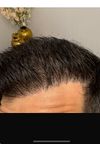
Increasing dutasteride to 2.5 mg daily and adding 2.5 mg oral minoxidil to prevent hair loss during a testosterone cycle. Suggestions include adding RU58841 for better protection against hair loss.
The user has severe diffuse thinning on the scalp and is using finasteride, topical minoxidil, dermarolling, tretinoin, and Nizoral without satisfactory results. They are considering a hair transplant but are concerned about the cost and the number of grafts needed.
High-dose oral minoxidil (>5 mg/day) can increase hair density in some men with androgenetic alopecia, but side effects like extra body hair and heart issues are common. Gradual dose increase is advised, but adverse effects may lead to discontinuation or dose adjustments.
Quercetin and houttuynia cordata extract may stimulate hair growth by enhancing cellular energy metabolism and increasing growth factor secretion. Quercetin has low oral bioavailability, and its natural tint might stain the scalp if used topically.
The user is experiencing hair thinning and has a vitamin D deficiency, which they suspect might be causing the issue, but they are also considering androgenic alopecia (AGA) as a cause. They are currently using minoxidil and are unable to get finasteride prescribed, while others suggest addressing the vitamin D deficiency and consulting a dermatologist.
Adding tretinoin to minoxidil may help non-responders but likely won't improve results for those already responding to minoxidil. The user plans to try tretinoin with minoxidil and finasteride to see if it enhances hair regrowth.
Switching from finasteride and topical minoxidil to oral minoxidil and dutasteride worsened hair condition, leading to frustration and heart issues, prompting a return to topical treatments and the addition of tretinoin. Patience and consistency are advised, as these treatments can take years to show results, and abrupt changes may cause shedding.
A user is concerned about hair loss in the temple area despite using Minoxidil and finasteride for 10 months and is curious if PP405 can help. Responses indicate uncertainty about PP405's effectiveness, with some optimism about future treatments and AI speeding up drug discovery, but emphasize waiting for clinical trial results.
A user is concerned about worsening hair loss despite using oral finasteride, oral and topical minoxidil, microneedling, keto shampoo, and vitamin D for almost a year. Suggestions include switching to dutasteride, continuing minoxidil, and considering different styling or haircuts.
Gym and creatine can cause hair loss by increasing testosterone and androgenic activity. DHT blockers may help some, while others need androgen suppression with topical AA like RU or Pyri.
Using 0.025% tretinoin may enhance minoxidil's effects for hair loss. Users suggest starting with 0.025% and gradually increasing the concentration, and discuss combining treatments like microneedling.
Stopping antihistamines may resolve neurological side effects when using finasteride. Users experienced muscle aches, headaches, and lethargy when combining the two.
Stopping hair loss treatments like finasteride and minoxidil can result in losing regrown hair, highlighting the importance of consistent use. Restarting these treatments may cause temporary shedding, but hair can regrow with continued use.
A 21-year-old male managed to control his hair loss using Nizoral, RU58841, and finasteride, but experienced increased scalp itchiness after starting creatine, which subsided upon stopping creatine. Users shared mixed experiences on whether creatine affects hair loss, with some reporting negative effects and others seeing no change or defending its benefits.
Hopeful treatments for hair loss, including Verteporfin, Androgen Receptor Degradation, and SCUBE3. These treatments offer potential solutions to slow or stop the effects of androgens on the scalp.
The conversation discusses a hair loss treatment regimen that includes Dutasteride, oral and topical Minoxidil, Tretinoin, dermarolling, Nizoral, salicylic acid shampoo, vitamins, and possibly The Ordinary Multi-Peptide Serum. Some responses suggest the regimen might be excessive, while others believe it is sufficient, especially with Dutasteride.
A compound called MTP3 from the Monoterpene family was found to be safe and highly effective at treating hair loss by inhibiting the FGF5 gene, but its identity is undisclosed for commercial reasons. No specific treatments like Minoxidil, finasteride, or RU58841 were discussed.
A user's progress with their hair loss treatment, which includes finasteride and nizoral, as well as the potential for using minoxidil; other users providing advice based on their own experiences; and others discussing how buzz cuts can make diffuse thinning look worse than it is.
The user is allergic to minoxidil and experienced severe itching and redness. They are considering alternatives like finasteride, dutasteride, and dermarolling for hair loss treatment.
Finasteride and dutasteride have potential risks, including post-finasteride syndrome, but are commonly used for hair loss. RU58841, minoxidil, and needling are suggested as alternatives, though all treatments carry risks.
The user started balding at 16/17 and tried various treatments including minoxidil, finasteride, and dutasteride with little success. They recently started applying diclofenac gel to their bald areas and noticed some hair regrowth, attributing this to diclofenac's ability to lower prolactin levels and its anti-inflammatory effects.
PP405, a topical LDH inhibitor, has shown to stimulate hair follicle stem cell proliferation in humans with moderate hair loss. They are advancing to more detailed trials this year.
Transplanted hairs are thinning after switching from topical to oral minoxidil, with increased shedding and miniaturization. The user is considering reintroducing topical minoxidil and has started using ketoconazole shampoo.
A 28-year-old male noticed hair thinning and is considering treatments like minoxidil and finasteride but is concerned about finasteride's potential effects on epilepsy. He has tried microneedling, tretinoin, and minoxidil with slight improvement.
A user with kidney disease and high blood pressure experienced hair thinning, especially around the vertex. They are currently using finasteride and oral minoxidil but are considering whether to resume blood pressure medication despite managing symptoms with diet and exercise.
The user has been using Minoxidil, finasteride, and microneedling for over a year but recently experienced more hair thinning and receding. They started taking magnesium supplements a month ago and are questioning if it is related to the worsening hair condition.
The user is experiencing hairline thinning despite using finasteride, minoxidil (solution and foam), dermastamping, and tretinoin. They suspect minoxidil or tretinoin might be causing the issue but are unsure.
The user is experiencing diffuse hair loss due to high testosterone levels and has tried various treatments including finasteride, minoxidil, nanoxidil, keto/caffeine shampoo, dermarolling, and RU-58841 with limited success. They are seeking advice on safely lowering testosterone levels to manage hair loss.