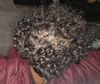
User started DUT 3 times a week, topical minoxidil/tretinoin at night, and topical stemoxydine/alfatradiol mix with tretinoin in the morning for hair loss. They experienced significant progress and no side effects, crediting a YouTuber for encouragement.
The user has been using finasteride for hair loss with good results and is considering adding oral minoxidil. They are experimenting with hairstyles and hair products to manage their thinning hair and have received mixed feedback.
The user has been using a hair loss treatment regimen including RU58841, minoxidil, and dutasteride, but still experiences hairline recession and fatigue despite high testosterone levels. They are considering adjusting their dutasteride dosage due to concerns about libido and energy levels.
The user uses rosemary oil, finasteride, ketoconazole, Minoxidil, and Anagenics RU58841 for hair loss treatment. They hope rosemary oil will improve scalp health.
RU58841 stopped scalp itching for the user, providing relief from persistent itchiness associated with hair loss. Some users reported side effects like chest pain, while others found relief with different treatments like mometasone.
The user shared their one-year progress using finasteride, minoxidil, a dermastamp, and ketoconazole shampoo, noting stabilization but challenging regrowth in the temples. Another user discussed using a 1.5mm dermastamp daily with minoxidil for better results, but concerns about scarring were raised.
A 24-year-old male experienced side effects like low libido and ED after starting finasteride post-hair transplant and is seeking alternatives to reduce scalp DHT. Suggestions include topical finasteride, Xpecia, DHT-reducing shampoos, and switching to dutasteride, with some users reporting fewer side effects with these alternatives.
The conversation discusses the effectiveness of different concentrations and dosages of topical finasteride on scalp and serum DHT levels, comparing it to oral finasteride and noting the side effects seem to be fewer at lower dosages. Participants shared experiences and referenced a chart indicating similar scalp DHT reduction with 0.025% topical finasteride as with 1mg oral finasteride, but with fewer side effects.
The conversation is about a user's hair growth progress after 9 months of using oral minoxidil and finasteride, along with dermastamping. The user reports improved hair health and color, with some visible scalp remaining, and no side effects from the treatment.
User tresslessthrowaway89's experience with using minoxidil foam and redensyl liquid for three months to address hair loss, and their plan to begin taking finasteride in another three months.
The conversation discusses using a TCA 35% chemical peel on the scalp to potentially improve hair growth by addressing fibrosis and enhancing the effectiveness of topical treatments. The user also mentions trying microneedling and other methods like topical metformin and dutasteride for hair regrowth.
The conversation discusses whether stemoxydine needs to be used for life for hair loss treatment. One user suggests that stemoxydine does not require lifelong use and can make hair exit the resting phase faster, but the benefits may be temporary.
Female using Rogaine foam for hair loss had scalp punch biopsy, diagnosed with Androgenetic Alopecia (AGA). Doctor recommended starting Spironolactone 50mg.
Creating custom topical treatments for hair loss using minoxidil, finasteride, and RU58841. It includes recipes and instructions for home preparation, focusing on cost savings and customization.
A 20-year-old is using oral and topical finasteride, topical minoxidil, ketoconazole shampoo, rosewater, Adgain tablets, creatine, and derma stamping to address hair loss. There is a debate about creatine's impact on hair loss, with some suggesting it increases DHT, while others disagree.
The conversation discusses a user's experiment with using hot water and a dermastamp to reduce hair loss, improve dandruff, and promote new hair growth. The user advises caution and mentions not sharing photos until more progress is visible.
The conversation discusses various hair loss treatments, with a focus on pyrilutamide, minoxidil, and alternatives to finasteride due to intolerance. Users suggest adding a DHT blocker like finasteride or dutasteride, and some recommend trying topical versions to reduce side effects.
The user shared two-month results using a topical spray with 0.3% finasteride, 7% minoxidil, 2.2% ketoconazole, and 0.2% biotin, showing improvement in hair loss. The user also mentioned using hair fibers previously and dermastamping inconsistently.
The user is experiencing rapid hair loss despite using dutasteride, minoxidil foam, and ketoconazole shampoo, and is concerned about waiting longer to see results. A suggestion was made to consult a dermatologist for a tricoscopy and consider higher doses of dutasteride, while also checking for nutritional deficiencies and thyroid issues.
A user recently started using nanoxidil 5% for hair loss, particularly on the hairline, and is seeking feedback or experiences from others. The conversation focuses on the effectiveness of nanoxidil.
The conversation discusses hair loss treatments, including minoxidil, finasteride, biotin, folic acid, zinc, micro-needling, niacin, and cipaxil, with the user preparing for a hair transplant. The user experiences side effects with topical finasteride and is hesitant to try oral dutasteride.
A user shared a new hair loss treatment protocol including topical dutasteride, latanoprost, caffeine, minoxidil, tretinoin, and triamcinolone acetonide. Others discussed the effectiveness and availability of these treatments, with some suggesting simpler oral alternatives.
A user shared progress pictures showing successful hair retention using a low-dose topical finasteride (0.008%) combined with minoxidil. Users discussed the effectiveness of the treatment, minimal effective dosing, and avoiding systemic side effects.
The user is experiencing hair loss and is considering using topical minoxidil and finasteride due to concerns about liver health, specifically elevated ALT levels from fatty liver. They are advised to start with topical treatments while continuing weight loss and dietary changes to improve liver function.
A user named Medical_Opinion8120, a 23-year-old female, is experiencing hair loss potentially due to a past accutane course. She has tried minoxidil without success and is currently taking iron and zinc supplements.
User is 16, experiencing hair loss, and using minoxidil and alfatradiol. Shedding decreased, new hairs growing on temples, but unsure if alfatradiol is effective or if future shedding will occur.
A user is experiencing continued hair loss despite using 0.5mg dutasteride and 2.5mg minoxidil, and is seeking advice on why the treatments aren't working and how to address potential androgen receptor sensitivity. Replies suggest getting tested and considering scalp micropigmentation (SMP).
A person's successful 5-month hair loss treatment using Finasteride and Minoxidil. Questions and comments from others focus on the source of the treatments and application methods.
A quercetin-encapsulated and polydopamine-integrated nanosystem (PDA@QLipo) shows promise for treating androgenetic alopecia by reshaping the perifollicular microenvironment, outperforming minoxidil in hair regeneration. The nanosystem promotes cell proliferation, hair follicle renewal, and recovery by scavenging reactive oxygen species and enhancing neovascularity.