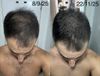
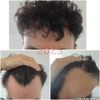
A 27-year-old Asian male is treating hair loss with 1mg oral finasteride, topical minoxidil twice daily, and 1.5mm microneedling weekly. The discussion is about his progress with these treatments.
CB-03-01 is considered a failed treatment for hair loss, with future hopes pinned on PP-405 and GT-20029, expected by 2030. Alternatives like hair transplants and SMP are discussed, while some users express frustration over the slow progress of treatments like Breezula.
PP405 is a new hair loss treatment showing early promise with a 20% hair density increase, but skepticism exists due to past failures of similar treatments like Pyrilutamide, RU58841, and Bimatoprost. Users debate its potential effectiveness, with some hopeful due to Google's involvement, while others urge caution without more evidence.
A 21-year-old male diagnosed with telogen effluvium and male pattern baldness started taking finasteride, which initially slowed hair shedding and slightly thickened hair. The doctor recommended iron and vitamin D supplements, and the user is considering minoxidil but wants to stabilize shedding first.
Hope Medicine's announcement of the HMI-115 Phase II clinical trial for androgenetic alopecia in China; other related trials have been conducted or are ongoing in different countries, including Australia, US, and Europe. There is speculation that the product may be accepted across borders without additional testing.
A 28-year-old male showed hair regrowth after 3 months using 5% liquid minoxidil twice daily and weekly dermarolling with a 1mm roller. Someone suggested adding finasteride to the treatment.
A 28-year-old male started balding at 20 and has been using Bosley Shampoo, minoxidil, finasteride, microneedling, and exosomes/PRP treatments. He also underwent scalp micropigmentation to hide thinning hair and is seeking feedback on regrowth progress.
A user shared progress pictures showing improved hair fullness after 75 days using 2.5mg oral minoxidil daily, 1mg oral finasteride every other day, a 1.5mm dermastamp weekly, and daily scalp massages. They report seeing early positive results.
A user shared progress pictures showing successful hair retention using a low-dose topical finasteride (0.008%) combined with minoxidil. Users discussed the effectiveness of the treatment, minimal effective dosing, and avoiding systemic side effects.
The conversation discusses the removal of Breezula phase II 12-month results by Cassiopea and the search for the original data. Concerns were raised about potential negative long-term effects on hair growth, such as androgen receptor upregulation.
The conversation is about people with advanced hair loss (Norwood 6 or 7) who have seen significant hair regrowth using treatments like finasteride, minoxidil, microneedling, and RU58841. Nine cases were collected to motivate others to try these treatments despite advanced hair loss.
ABS-201, a prolactin receptor blocker, shows promise in reversing hair loss and graying, with early success in macaques. Current treatments like finasteride, minoxidil, and RU58841 are still widely used, but new options like PP405 are eagerly anticipated.
Veradermics' new hair loss treatment, VDPHL01, is likely a modified release oral minoxidil, which has received $75 million in funding for clinical trials. Despite skepticism about investing in a known treatment, some believe it could offer improved efficacy and reduced side effects.
A Phase 1 update for the HMI 115 clinical trial, which involves 16 participants and is expected to end in July 2023; as well as changes to the recruitment process, including treatment protocols with Minoxidil, Finasteride, and RU58841.
A 19-year-old with rapid hair loss since 16 is considering a hair transplant but refuses to take finasteride or any 5α-Reductase inhibitors. They are currently using minoxidil, tretinoin, and microneedling with a Derminator 2, and only want hair until age 27.
Pirfenidone is suggested to treat fibrosis and baldness by blocking inflammation markers and reducing collagen. It is also available as a gel for scar removal.
A user shared their hair regrowth journey from ages 31 to 39, using finasteride, oral and topical minoxidil, and dutasteride. They experienced significant hair density improvement and temple regrowth, with increased hair growth as the only side effect.
PP-405, a potential hair loss treatment, shows promise in stimulating dormant hair follicles and may help with various hair loss types. Current treatments like Minoxidil are still recommended as PP-405 is in early trials and may take years to become available.
The conversation discusses the effectiveness of pyrithione zinc and GT20029 for hair loss. Specific treatments mentioned include Minoxidil, finasteride, and RU58841.
The conversation discusses hair loss treatments, specifically Minoxidil, finasteride, and RU58841. It highlights the South Korean president's push for public health coverage for hair loss.
A 28-year-old male with a family history of baldness is deciding whether to start finasteride now or wait for visible hair changes. He is considering starting finasteride immediately to proactively address potential hair loss.
The conversation discusses maintaining hair regrowth using minoxidil and finasteride and whether using gt20029, which degrades androgen receptors, would affect this. Fluridil, a similar treatment, can disable over 90% of active androgen receptors.
A 27-year-old male has been using 1mg finasteride and topical 5% minoxidil for 7-8 months, along with D3 and Biotin supplements, to address hair loss. Users generally agree there is progress, but one suggests waiting at least a year for more noticeable results.
The conversation discusses the potential benefits and risks of participating in the PP405 hair loss trials, emphasizing that those using Minoxidil or finasteride are less likely to be accepted. Participants are interested in the trial as it offers hope for effective treatment without the side effects associated with current medications.
The conversation discusses hair loss linked to BDNF-increasing nootropics like Semax and Lions Mane. Suggested topical treatments include capsaicin, beta-glucan, and ginseng to counteract TGF-B activation.
The conversation discusses anticipation for CB-03-01, a potential new hair loss treatment that may be more effective and have a cleaner safety profile than finasteride. Users are hopeful but cautious, discussing current treatments like minoxidil, nizoral, and dermarolling, and the possibility of combining them with CB-03-01 for better results.