Joe Rogan mentioned Batana Oil for hair loss, but many believe the video is fake and created using AI. Most users are skeptical of his endorsement, comparing it to his previous controversial recommendations like Ivermectin for COVID.
Distinct-Text2787's progress with treating their hair loss over 10 months, using finasteride, Nizoral shampoo twice a week and Minoxidil twice a day. The replies congratulated them on their results and offered advice to stay consistent with the treatments.
A monoclonal antibody clinical trial for potential hair loss treatments in Victoria, Australia and the discussion of their efficacy. People shared information about similar drugs already on the market, speculated about potential side effects, and discussed how to spread the word about the trial.
A user shared their positive hair transplant results after 19 months without using finasteride or minoxidil, only vitamins. Some responses suggest concern over future hair loss without prevention treatments, while others congratulate or express jealousy.
The user experienced side effects from daily 1 mg Finasteride and switched to 0.5 mg every other day, supplemented with creatine, tongkat ali, tribulus terrestris, vitamin D3, bromantane, l-tyrosine, and caffeine. They also use weekly 1.5 mm microneedling and daily 50 mg RU58841, except on microneedling days, to manage hair loss.
Finasteride may have positive effects by keeping testosterone levels higher, potentially maintaining youthfulness and physical performance as one ages. It could also help with conditions related to aging like andropause and sarcopenia without increasing estradiol levels.
The user reports 8 months of hair growth progress using 1mg Finasteride daily, 5k biotin daily, Nizoral 1% biweekly, a multivitamin daily, and Vitamin D 2000IU daily, with pictures provided for reference. Commenters discuss the improved thickness and length of the hair, with some suggesting a buzz cut for better comparison, which the user declines.
The user is experiencing hair loss and has been using treatments like minoxidil, finasteride, and ciclopirox olamine. Despite these treatments, they are concerned about increased shedding, dandruff, and possible additional hair loss conditions.
A user shared their positive progress using oral minoxidil and dutasteride for hair loss after previously using finasteride and topical minoxidil. They discussed additional treatments like microneedling and ketoconazole shampoo for better results.
A person had three hair transplant surgeries using 7,600 grafts from scalp, beard, and chest, along with finasteride and minoxidil. Reactions are mixed, with suggestions for alternatives like hair systems or scalp micropigmentation.
The user experienced hair loss issues after switching from finasteride to dutasteride and back, with stress and seborrheic dermatitis affecting hair quality. They plan to continue finasteride, treat seborrheic dermatitis, and monitor nutrient levels, considering low-dose oral minoxidil if safe.
People discussed using finasteride, minoxidil, and dutasteride for hair loss, with mixed results and side effects. Some had positive outcomes, while others experienced issues like libido changes and chose alternatives like hair systems.
A 17-year-old experiencing hair loss, thinning, and white hair seeks advice on effective treatments. They have started using shampoo and conditioner but have not seen improvement and are open to product suggestions.
PP405 is a potential hair loss treatment that inhibits mitochondrial pyruvate carriers, increasing lactate dehydrogenase activity and stimulating hair follicle stem cells. In a phase 1 trial, 31% of participants showed over 20% hair density increase with PP405 treatment.
The user has been using a hair solution with 0.3% finasteride and 5% minoxidil, along with microneedling, but is experiencing more thinning on one side. Suggestions include checking application techniques and ensuring microneedling is not overdone.
Epristeride is a selective 5 alpha reductase type 2 inhibitor that may reduce scalp DHT similarly to finasteride, with potentially fewer side effects. It is suggested that combining epristeride with finasteride or dutasteride could enhance hair loss treatment effectiveness.
A 28-year-old shared his 2-year hair loss treatment progress using finasteride, minoxidil, dermarolling, and Revita shampoo. He saw significant improvement, especially with minoxidil and dermarolling, and stressed consistency.
A user shared progress pictures showing hair improvement after 11 months of using finasteride. The user experienced minimal shedding and plans to continue the treatment long-term.
A user shared progress pictures showing hairline improvement after using oral finasteride (1mg) and minoxidil (3mg) for 5 months. Replies praised the noticeable regrowth and encouraged continued use.
A user hopes to regrow hair using a routine of Min/fin solution twice daily, dermarolling twice weekly, multivitamins daily, and biotin twice daily. Another user doubts the effectiveness of biotin and multivitamins.
Hair loss in moms can be caused by hormonal changes, stress, genetics, and nutritional deficiencies. Solutions include hair toppers, Minoxidil, PRP therapy, and a healthy diet with supplements.
User shared 2-year hair loss progress using finasteride 3 times a week and 5 mg oral minoxidil daily. Another user praised the results as a complete recovery.
The user is feeling discouraged after seven months of using finasteride and minoxidil with no visible results for hair loss. Suggestions include continuing treatment for up to 12 months, considering microneedling, checking for deficiencies, and possibly trying dutasteride or oral minoxidil.
The efficacy of microneedling for hair regrowth as either a stand-alone therapy or adjunct to Minoxidil, and whether Tretinoin is a safer and more effective option. Replies include personal accounts from users who have had success with microneedling in combination with minoxidil and peptide serums, as well as considerations of technique, depth, and potential scarring.
The user experienced significant hair regrowth using topical Minoxidil and oral Finasteride over five months, with darker and thicker hair and new follicles appearing. They are considering waiting 1-2 years before deciding on a hair transplant, as further improvement is expected.
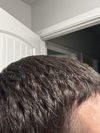
A 29-year-old male in Japan is seeking advice on transitioning Finasteride brands, sourcing Finasteride and Minoxidil without a prescription, and managing chronic scalp inflammation. He is considering adding Minoxidil to his routine and is concerned about diffuse thinning and persistent scalp issues despite following a dermatologist's prescribed treatment.
The conversation is about dealing with hair loss and exploring treatments like HRT, Minoxidil, and micro-needling. The user is considering wigs and possibly a hair transplant while expressing feelings of self-doubt and seeking support.
The user experienced significant hair shedding after starting finasteride and minoxidil but saw improvement over time. They switched to dutasteride and added oral minoxidil, hoping for better results despite expecting more shedding.
The conversation is about a user's three-year progress in reversing hair loss using daily Dutasteride 0.5 mg and topical Minoxidil, with no side effects. The user emphasizes patience, as significant results were noticed after one year, despite a strong family history of early baldness.

![[29M] Living in Japan. Need advice on transitioning Finasteride brands, sourcing options, adding Minoxidil, and managing chronic scalp inflammation/burning](/images/assets/2c03d2a6-45e7-43a7-ae42-66134be78c7f/small/20575.jpg)