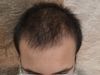
A user shared progress pictures after 8 months of finasteride, 2 months of minoxidil, and 2 months of vitamin D. The post shows significant hair improvement despite some light differences in the photos.
A user expressed concern about using low-dose topical finasteride while conceiving, but was reassured that the risk of affecting a fetus is negligible. The user stopped using finasteride during pregnancy and switched to minoxidil and ketoconazole, while others shared experiences and advice on using these treatments safely.
Pelage is moving to Phase III clinical trials for PP405, a hair loss treatment, with results to be presented at a medical meeting. Users express skepticism and hope, comparing it to existing treatments like Minoxidil and finasteride, while discussing the potential for new hair growth in previously bald areas.
The user began experiencing hair loss at 14 and is now starting treatment at 18 with a topical solution of 10% minoxidil-finasteride and ketoconazole shampoo. Oral finasteride was not recommended due to potential effects on growth, and microneedling will be considered after four months.
The post discusses Dr. Rassman's advice on microneedling for hair loss, suggesting holding a Dr Pen with 36 needles in one spot for 10 seconds. The conversation includes differing opinions on this method, with one user explaining the importance of dipping the pen rather than swiping to avoid abrasions.
A user, 18, is considering switching from topical finasteride (0.025%) and minoxidil to dutasteride due to continued hair shedding. Other users shared their experiences with dutasteride, noting potential benefits and risks, including reduced sperm count.
New hair loss treatments PP405 and VDPHL01 are discussed with skepticism and hope, alongside existing treatments like minoxidil and finasteride. Users express frustration over limited progress since the 1980s but remain cautiously optimistic.
The user is seeking recommendations for scalp-friendly minoxidil and RU58841 products available in the UK, as previous products caused scalp inflammation. They mention issues with RUDirect and MinoxidilMax products.
The user has been using dutasteride, finasteride, and ketoconazole shampoo for hair loss, recently adding minoxidil and tretinoin, and plans to start microneedling. They advise starting treatments early to maintain hair, as regrowth is more challenging.
User experienced hair loss since 16, used Fin, Minox, and Nizoral with success but stopped due to side effects. Now using Pur D'or shampoo, Rogaine foam, scalp massages, volumizing spray, and dermarolling for hair maintenance.
Topical dutasteride, especially at higher concentrations, can be effective for hair loss when combined with microneedling to enhance absorption. Users discuss the side effects of finasteride and dutasteride, with some preferring topical treatments to avoid systemic side effects.
User reports using a derma roller daily, seeing new hair growth along the hairline without using Minoxidil or finasteride. They seek advice on further promoting hair growth with their current routine.
The user switched from oral minoxidil to topical minoxidil and added JXL-069/PP405-3HP, along with topical dutasteride, melatonin, and tretinoin. They also use low-level laser therapy (LLLT) but doubt its effectiveness.
Despite using treatments like Dutasteride, Minoxidil, RU58841, and GHK-Cu injections, the individual continues to experience aggressive hair thinning and is seeking a specialist for further help. Suggestions include trying finasteride, dermarolling, or another hair transplant.
A 20-year-old male experienced early hair thinning due to male pattern baldness and successfully thickened his hair using oral finasteride and topical minoxidil. The conversation highlights the importance of early action and overcoming fear of medication side effects.
The conversation is about using tretinoin to enhance the effects of minoxidil for hair loss, with suggestions to switch from finasteride to dutasteride or use RU58841 for better results. Concerns about tretinoin causing dry scalp and its potential impact on hair loss progression are also discussed.
The conversation is about someone seeking a finasteride prescription for hair loss and considering paying out of pocket for a dermatologist because they can't find one covered by insurance. They want advice on ensuring they get the prescription and not just a recommendation for biotin pills.
A 17-year-old is considering starting finasteride and minoxidil for hair loss, despite concerns about potential side effects and the impact on development. The user is advised to check if puberty is complete and to consider using only minoxidil until adulthood.
An 18.5-year-old experiencing rapid hair loss is being treated with saw palmetto, vitamins, and red light therapy, but these seem ineffective. The consideration of finasteride is discussed, weighing its potential side effects against the emotional impact of early hair loss.
Focus on scalp health, not just DHT suppression, is crucial for hair regrowth. Effective treatments include Hair Restoration shampoo, LLLT laser cap, microneedling, and topical finasteride.
Switching from oral to topical minoxidil due to health issues, with advice on using tretinoin to enhance effectiveness. Tretinoin can improve minoxidil absorption and effectiveness, potentially reducing application frequency.
The user shared progress on hair restoration using dutasteride, oral minoxidil, and 2800 grafts, noting significant improvement in hair thickness and coverage. They discussed the importance of continuing DHT blockers like finasteride or dutasteride post-transplant to prevent further hair thinning.
A user with diffuse thinning recommends a root cover-up spray as a temporary, medication-free solution. They plan to consult a dermatologist for treatments like Minoxidil and finasteride while using the spray for special occasions.
The user shared progress after two months using a topical formulation containing Dutasteride 0.25%, Minoxidil 5%, Cetirizine 1%, Melatonin 0.5%, Caffeine 2%, and Latanoprost 0.005%. The focus is on hair loss treatment results.
The conversation is about a user's impressive hair recovery over 14 months using 0.5mg dutasteride, 5% topical minoxidil, saw palmetto shampoo, and occasional microneedling. The results are highly praised by others, with many expressing admiration and hope for similar outcomes.
An individual is seeking options for topical finasteride and minoxidil in Australia, considering products from Medicii Labs and exploring other suppliers. They plan to use a derma roller and caffeine + yerba mate hair wash alongside these treatments.
A 16 year old's experience with using pyrilutamide to treat hair loss, and the potential side effects of adding tretinoin to minoxidil and finasteride treatments.
White spots on a bald scalp, likely tinea versicolor, can be treated with ketoconazole or selenium sulfide shampoos like Selsun Blue. Consulting a dermatologist is recommended for proper diagnosis and treatment.
A 22-year-old has been using minoxidil and finasteride for hair loss with initial success, but later experienced increased shedding and no regrowth. They recently added vitamin D3 supplements and microneedling, which reduced shedding, but are seeking advice on regrowth, with suggestions to try tretinoin with minoxidil and consider dutasteride.