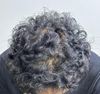
Combining tretinoin with minoxidil may enhance hair growth when minoxidil alone becomes less effective. Apply tretinoin, wait 40 minutes, then apply minoxidil, and avoid sun exposure.
The conversation is a humorous discussion about excessive hair growth due to using minoxidil, with suggestions of laser hair removal and comments on the appearance of the hair. Some users joke about starting finasteride treatment at a young age or being non-responders to hair loss treatments.
A 25-year-old male shared his 3-month progress using oral minoxidil, finasteride, and biotin for hair growth, reporting positive results and minimal side effects, such as slightly reduced libido. He plans to continue treatment and possibly add microneedling, with hopes of further improvement and potential hair transplant if needed.
A 30-year-old is using topical minoxidil 6% and finasteride for hair loss, showing significant progress over five months. They also use dermastamping, nizoral shampoo, and had a hair and scalp treatment.
A 20-year-old has been using topical minoxidil and finasteride for 6 months but sees little hair growth, especially on the temples. They are considering switching to oral dutasteride and minoxidil due to lack of progress.
Switching from topical to oral minoxidil can cause initial hair shedding but may lead to thicker hair growth. Many users combine it with finasteride, experiencing varying side effects.
A user shared that after quitting caffeine and restarting oral minoxidil, they experienced significant hair regrowth, suggesting that caffeine might interfere with minoxidil's effectiveness by blocking adenosine receptors. They also mentioned side effects like water retention and dizziness, which subsided after a few weeks, and are not using any DHT blockers.
Adding tretinoin to a minoxidil routine can cause initial hair shedding, which may be normal as it potentially increases minoxidil's efficacy. Users suggest being cautious with tretinoin application, especially around microneedling, to avoid increased systemic absorption.
The conversation discusses hair shedding after stopping topical minoxidil and considers switching to oral minoxidil as a treatment. Users share experiences with oral minoxidil, dutasteride, and the potential benefits of combining treatments to manage hair loss.
Veradermics' oral minoxidil shows promise for hair regrowth, with some users reporting significant improvements, while Pelage's PP405 results are less convincing and lack transparency. There is skepticism about both treatments' long-term effectiveness and potential side effects.
A user takes 5mg oral minoxidil, oral dutasteride, topical tretinoin, stemoxydine, topical minoxidil, and uses dermarolling for hair loss but sees less impressive, patchy regrowth compared to others. Another person suggests some online results may be enhanced with hair fibers, not just medication.
A 21-year-old man experienced positive hair regrowth results after using a homemade topical solution containing 0.030% finasteride and 5% minoxidil for four months. He reported no side effects with the Trichosol-based solution, unlike previous issues with alcohol-based formulas.
Minoxidil was used as a hair treatment by crushing hypertension tablets and mixing them with other ingredients. It was noted to thicken existing hair more than promoting new hair growth.
LemonyBonobo started oral minoxidil a week ago, experiencing significant shedding, and is concerned about potentially worsening their hair condition. They also use dutasteride, topical minoxidil, and dermarolling. Elyktronix, who has been on oral minoxidil for 15 months, recommends it, noting that shedding can be a positive response and that results take time.
The user experienced increased hair shedding after switching to oral minoxidil but saw improvement after resuming topical minoxidil. They recommend sticking with topical minoxidil if it has shown results and also use finasteride to manage side effects.
Stopping minoxidil may cause baby hairs to fall out, but continuing with finasteride alone is an option. Consider trying a different minoxidil formulation or using ketoconazole to manage scalp issues.
The user experienced side effects from oral minoxidil and is seeking alternatives like Stemoxydine, Aminexil, and Redensyl + Procapil. They have been using finasteride for four years and are considering other treatments due to concerns about side effects.
A user shared their successful hair regrowth experience using 1 mg oral finasteride daily and topical minoxidil twice a day for 17 months, along with microneedling and Ketosol shampoo. They reported significant hair density improvement without side effects, attributing their results to consistency and being a good responder to the treatment.
The user switched from oral minoxidil to topical minoxidil and added JXL-069/PP405-3HP, along with topical dutasteride, melatonin, and tretinoin. They also use low-level laser therapy (LLLT) but doubt its effectiveness.
The user used finasteride but stopped due to side effects, then used topical minoxidil for 13 months, and later added KX826/pyrilutamide for 8 months. They experienced shedding after starting pyrilutamide and use minoxidil and KX826 once daily.
A 19-year-old male is considering switching from topical to oral Minoxidil and finasteride due to unsatisfactory results but is concerned about potential side effects. It is suggested to start with low doses of oral versions to test tolerance, as they may be more effective but carry higher risks.
The conversation is about someone who did not see results from using 5%, 10%, and 12.5% topical Minoxidil for hair loss and is inquiring if switching to oral Minoxidil helped others who had a similar experience. They are asking for the dosage that was effective for those who saw results with oral Minoxidil.
Minoxidil is being questioned for its effects on surrounding hair when applied to a receding hairline. The user is concerned it might worsen the appearance by causing nearby hair to fall out.
The user is using Dutasteride and oral Minoxidil for hair regrowth and is considering adding topical Minoxidil but is allergic to propylene glycol, which is present in the product they found. They need a solution with tretinoin that does not contain propylene glycol.
The user switched from topical minoxidil to oral minoxidil (2.5 mg) and finasteride (1 mg) after two years without results, noticing some initial shedding but no significant side effects. Others in the conversation discuss similar experiences with these treatments, including shedding, body hair growth, and varying results.
An 18-year-old male is considering stopping minoxidil on the crown while continuing finasteride due to increased shedding and concerns about thinning. He seeks advice on safely switching to using minoxidil only on the hairline without risking permanent crown thinning.
A user shared a 10-month update on treating hair loss with 1 mg Dutasteride and 2.5-5 mg oral Minoxidil daily, showing significant improvement. Some responses praise the results, others discuss dosing and side effects, and a few comments address the user's previous hostile interactions.
The user is using a 5% minoxidil solution with low propylene glycol and 1 mg of oral finasteride daily but is still experiencing hair shedding, especially at the temples and front. They are concerned about absorption issues and considering adding tretinoin to improve results.
An 18-year-old male is experiencing hair loss and is using topical minoxidil and oral finasteride. He is concerned about continued shedding, mild sexual side effects, and whether to adjust his finasteride dosage.
A 29-year-old male is experiencing positive hair regrowth after 3 months using oral finasteride (1mg) and topical minoxidil (1ml twice daily), despite side effects like scalp itchiness and dandruff. He plans to continue the treatment long-term and may switch to foam minoxidil to alleviate scalp issues.