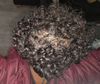
A user started using topical finasteride 0.1% with Aloe Vera 0.05% on May 19, 2023, to address hair loss that began at age 27. They plan to post progress pictures every three months.
The user experienced hair thinning with dandruff and itchiness but not complete baldness, and found relief using dermarolling and castor oil. They did not use minoxidil or finasteride and discussed the potential impact of lifestyle choices on hair loss.
User asks if spironolactone can stack with finasteride and pyrilutamide for hair loss treatment. They question why spironolactone is associated with feminizing effects, while RU/pyri/fluridil, which work similarly, are not.
PCOS female visited doctor for hair loss concerns, prescribed spironolactone and minox 5%. Doctor advised against finasteride or dutasteride, user considering self-medication with dutasteride.
The post discusses a user's 6-month progress using topical finasteride (0.08%) and minoxidil (5%) once a day, combined with scalp micropigmentation (SMP). The user hopes for improved hair growth as they let their hair grow out.
The conversation discusses using USB microscopes for scalp photos and provides a link to an overview of trichoscopy. Treatments mentioned include Minoxidil, finasteride, and RU58841.
Hair loss treatments discussed include Minoxidil, Finasteride, and RU58841. Topical and oral spironolactone show potential in improving hair growth when combined with topical Minoxidil.
The conversation discusses using a multimodal approach to treat androgenic alopecia, including substances like gamma-linolenic acid, DHA, sulforaphane, melatonin, cetirizine, astaxanthin, fisetin, apigenin, curcumin, limonene, genistein, and berberine. Users also mention using ketoconazole, minoxidil, and low-level laser therapy (LLLT) as part of their hair loss treatment regimens.
The user is managing hair loss with oral finasteride, recently switching to dutasteride, and topical minoxidil, but faces challenges due to seborrheic dermatitis. They seek advice on effective regrowth methods that don't worsen their condition, with suggestions including various shampoos like Vichy Dercos and ketoconazole.
A user shared progress pictures showing successful hair retention using a low-dose topical finasteride (0.008%) combined with minoxidil. Users discussed the effectiveness of the treatment, minimal effective dosing, and avoiding systemic side effects.
A user shared their 3-month hair loss progress using finasteride, minoxidil, low-level light therapy, pumpkin seed oil, and rosemary oil. The user saw a reduction in balding crown size but couldn't determine which treatment was most effective.
The potential of lowering prolactin levels to regrow hair, with a reference to Bayer's drug HMI 115 which has been indicated as having this effect. Treatments mentioned include Minoxidil and Finasteride, as well as RU58841.
A questionable paper which suggests that 5% topical spironolactone is more effective than 0.1% topical finasteride for treating hair loss. It should be taken with a grain of salt due to the journal it was published in.
A user experienced a painful rash from both liquid and foam minoxidil, suggesting an allergy to minoxidil itself. They are seeking others with similar experiences.
A user is experiencing hair thinning and is using a peptide with oleanic acid as a DHT blocker, along with minoxidil, while waiting for topical finasteride. They plan to use a combination of minoxidil, finasteride, dermastamp, ketoconazole, and scalp massages, but are advised to stick to proven treatments like finasteride and minoxidil.
PP405 shows promise for hair regrowth, with new hairs observed in 66% of patients in just 27 days. The discussion also mentions Minoxidil, finasteride, and RU58841 as potential treatments.
The user is experiencing hair loss and is considering using topical minoxidil and finasteride due to concerns about liver health, specifically elevated ALT levels from fatty liver. They are advised to start with topical treatments while continuing weight loss and dietary changes to improve liver function.
The user experienced no improvement in hair loss with finasteride and minoxidil but had side effects. They plan to add wounding, scalp massage, vitamin K, and taurine supplements to their regimen and seek feedback on these additions.
The user is treating hair loss with dermarolling, a laser helmet, scalp massages, and Nizoral. They stopped using minoxidil and finasteride and are considering pumpkin seed oil and sulforaphane.
The conversation discusses a hair loss treatment regimen using Alfatradiol, Pyrilutamide, and Minoxidil. The user shares their current stack of these treatments.
The user is using topical finasteride 0.1%, minoxidil 5% twice daily, red light therapy, a multi-peptide serum, and a weekly oil hair mask with various oils and ingredients. They also use ketoconazole shampoo, condition their hair, and microneedle with a dermapen, seeking advice on any changes to their routine.
A user expressed disappointment that their hair loss worsened after 11 months using topical finasteride with TrichoSol, despite no side effects and initial signs of improvement. They asked for advice and opinions on their treatment and alternatives, with suggestions including switching to oral finasteride or dutasteride, starting minoxidil, and addressing their seborrheic dermatitis with different shampoos or medical advice.
Adding an LLLT laser cap to a routine of finasteride, minoxidil, and ketoconazole shampoo significantly reduced hair shedding from 200+ hairs a day to around 80, improving scalp health. The user attributes the laser cap as the key factor in stabilizing hair loss after two years of using other treatments.
The user is experiencing hair loss and confusion over conflicting medical advice, with treatments including minoxidil, finasteride, and topical corticosteroids. They are unsure about the necessity of a biopsy and the timing of using minoxidil, while also considering the impact of potential androgenetic alopecia and telogen effluvium.
Ursolic acid, found in apple peels, lemongrass, rosemary, and lavender, may have anti-androgen effects similar to finasteride. It might be beneficial for hair health when used with other treatments like Minoxidil, Finasteride, and RU58841.
The conversation discusses scalp itching and tenderness after microneedling, despite using medicated shampoos and proper sanitation. The user plans to see a dermatologist and is concerned about possible infection or allergic reaction.
User shared a 5-month progress update on using topical minoxidil 6% and finasteride 0.05% once daily, with microneedling and vitamins. They experienced initial shedding but no side effects, and increased the treatment to twice daily after month 4.
A user noticed increased hair loss and was prescribed Betamethasone dipropionate 0.05% lotion by a dermatologist. Another user suggested changing doctors and asking for finasteride instead.
The user experienced hair regrowth with oral minoxidil and finasteride but faced aggressive hair loss after developing IBS, questioning if the condition affects medication absorption. They are considering switching to topical treatments.
A user is considering using topical finasteride, topical minoxidil, RU58841, and dermarolling twice a week to address hair loss after experiencing side effects with oral finasteride. They previously saw positive results with a topical spray containing finasteride, minoxidil, and tretinoin but discontinued use due to laziness.