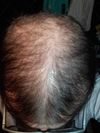
The conversation is about hair regrowth progress using topical finasteride and minoxidil twice daily, with occasional microneedling. The user also uses Minoxidilmax and WOW Skin Science Apple Cider Vinegar Shampoo.
A 25-year-old shared progress after a year using oral finasteride, topical minoxidil, and microneedling, noting significant hair improvement despite periodic shedding. The user experienced body hair loss as a side effect but reported no other issues and plans to continue the treatment.
The user is experiencing worsening hair loss despite using oral finasteride, oral minoxidil, microneedling, keto shampoo, and supplements for seven months. They are concerned about continued shedding and lack of regrowth, and are considering adding topical minoxidil to their routine.
The conversation discusses a hair loss treatment regimen involving minoxidil, finasteride, RU58841, JXL069, and nizoral shampoo. The user reports seeing new black dots in areas where hair hasn't grown in years, suggesting potential regrowth.
A new human trial using an FDA-approved treatment for wound healing called Verteporfin, which may potentially be able to reverse scarring and regrow hair in that area. The trial is only lasting one month so far.
User shares progress after 4 months of using finasteride and dermarolling, with occasional use of coconut and rosemary oil. They aim to stop hair loss and hope for increased top density.
The conversation is about a person recovering from drug-induced malnourishment, regaining hair growth, and improving overall health. They attribute their progress to stopping drug use, focusing on nutrition, and possibly using hormone replacement therapy (HRT).
Bimatoprost, latanoprost, and travoprost can aid hair regrowth but are costly and less effective than minoxidil. They work best when combined with minoxidil and finasteride.
A 42-year-old male using Minoxidil since June reports hair regrowth and thickening, with additional improvements from vitamin supplements and stress-reducing medication. Suggestions include adding topical finasteride and microneedling for better results.
A new Latanoprost-based formula used by Hollywood celebrities to treat hair loss, with the formula containing minoxidil, tretinoin, melatonin, azelaic acid, zinc thymulin, vitamin B6, sandalore and methyl vanillate. It also mentions the potential of offering a combined sublingual minoxidil/oral dutasteride option in the future.
A 30-year-old male with androgenic alopecia shows progress after using dutasteride (0.5 mg daily) and topical minoxidil (5% twice daily) for 3.5 months. Users suggest adding dermastamping for better results.
A 20-year-old shared their 6-month hair loss progress using 1mg finasteride three times a week, 5% minoxidil twice daily, and 1mm dermarolling once a week. Users noted significant improvements and inquired about shedding.
The conversation is about a 40-year-old trying a homemade topical hair loss treatment combining finasteride and minoxidil, and considering microneedling after previous side effects from oral finasteride. They plan to provide updates on the results and any side effects.
The conversation discusses whether age affects the side effects and effectiveness of hair loss treatments like finasteride and dutasteride. Some believe early treatment yields better results, while others mention varied outcomes across ages and personal regrowth experiences without a clear consensus on age impact.
33 y/o male used topical fin/min and dermaroll biweekly, resulting in increased hair density and significant regrowth. He got the solution from Hims and also used a DermaPen for microneedling.
The conversation discusses hair loss treatments for a 30-year-old female, comparing red light therapy with minoxidil and finasteride. Concerns about hormonal impact and potential pregnancy are raised, with suggestions to consider spironolactone and microneedling, while emphasizing the importance of consulting a dermatologist.
The conversation is about a 21-year-old male inquiring about the effectiveness of exosome therapy for hair thinning on the crown and considering whether to start Minoxidil while already on Finasteride and having had exosome injections 15 days ago.
The user is exploring hair loss treatments in China, currently using finasteride and minoxidil, and is concerned about seborrheic dermatitis. Clinics are recommending selenium sulfide, doxycycline, and mesotherapy ampoules like PT88/PT66 or SP88/SP66, but the user is unsure about their effectiveness.
A 20-year-old male experienced significant hair regrowth and transformation in under 7 months using oral minoxidil and finasteride. His hair became curlier, darker, and denser, leading to a dramatic change in appearance.
A 57-year-old man with severe hair loss since age 14 tried various hair loss treatments over two years, including finasteride, dutasteride, minoxidil, and supplements, with some minor regrowth. He also experimented with topical treatments and microneedling, but results were not cosmetically significant.
A quercetin-encapsulated and polydopamine-integrated nanosystem (PDA@QLipo) shows promise for treating androgenetic alopecia by reshaping the perifollicular microenvironment, outperforming minoxidil in hair regeneration. The nanosystem promotes cell proliferation, hair follicle renewal, and recovery by scavenging reactive oxygen species and enhancing neovascularity.
A 27-year-old male is using a minoxidil and finasteride spray for hairline recession and is considering other treatments like oral minoxidil, exosomes, PRP, or a hair transplant. Suggestions include microneedling, possibly with tretinoin, while another user suggests the hairline is fine and mentions body dysmorphia.
A 27-year-old man with thinning hair saw improvement after stopping Rogaine and starting dermarolling with peppermint oil, experiencing less shedding and thicker hair growth. He also uses biotin caffeine shampoo, argan oil conditioner, and a mix of castor oil with peppermint oil after dermarolling.
The user is using oral Minoxidil, oral Dutasteride, microneedling, and RU58841 for hair loss, noticing slow progress with small hairs appearing. They are inconsistent with microneedling frequency, sometimes doing it weekly or skipping weeks.
The post is about a user's progress pictures of their hair loss over a span of 4.5 years. They did not use finasteride or minoxidil for their hair loss treatment.
A 42-year-old male shared his 5-month progress using oral dutasteride, oral and topical minoxidil, and dermarolling for hair regrowth. He reported significant improvement and discussed the potential for further progress and maintenance, while addressing concerns about the safety of his minoxidil dosage.
Over 5 years, the user saw hair improvement using finasteride and dermarolling, but experienced hair loss with weightlifting. Recently increased finasteride dose and is more careful with dermarolling, but is not considering minoxidil.
The conversation is about a user's 3-month hair loss treatment using topical minoxidil, oral finasteride, a derma roller, ketoconazole shampoo, rosemary oil, and vitamin D supplements, alongside weight loss. Users discuss shedding, vitamin D benefits, and reducing sugar intake.