Hair systems are effective for hair loss, offering benefits over treatments like finasteride. Personal choice and confidence in appearance are emphasized.
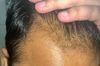
Three months into using Minoxidil, finasteride, dermarolling, tretinoin, and saw palmetto shampoo, the user is seeing baby hairs on their hairline and is hopeful they will thicken. Another user reports that their own baby hairs have been getting thicker and longer over time.
A user is starting a finasteride and minoxidil routine for diffuse pattern hair loss and is concerned about hair dependency on minoxidil. Responses suggest that new hairs may not survive without minoxidil, but existing hairs won't fall out if minoxidil is stopped, though experiences vary.
A user, 42 M, NW 5-6, used oral Dutasteride, Minoxidil, RU58841 topical, micro needling, Nizoral shampoo, saw palmetto gummies, vitamin D gummies, and scalp massages for 2 months. They noticed many small light hairs on previously bald areas and are questioning if these will darken or remain vellus hairs.
The conversation is about comparing keratin hair fibers to Gossypium Herbaceum hair fibers for diffuse hair loss. The user prefers keratin fibers for their durability and is seeking a bulk purchase option.
Hair follicles are mostly dormant but can be reactivated with treatments like minoxidil, finasteride, and microneedling. A new drug, PP405, shows promise for hair regrowth but may not be available until 2027-2028.
PP405 shows promise in stimulating new terminal hair growth by activating dormant follicles, with no systemic adverse effects observed in a short-term trial. However, long-term efficacy remains unproven, and further trials are needed to confirm its potential as a hair loss treatment.
The user has been using topical Minoxidil and Finasteride for 5 months and is questioning whether the new hair growth is genuine or just thin existing hairs. Another user suggests that comparison with before pictures is necessary to determine progress.
The conversation discusses the possibility of transplanting leg and arm hair to the scalp for hair loss treatment. Minoxidil is mentioned as a potential aid for hair growth, but concerns about the effectiveness and appearance of body hair on the head are raised.
A breakthrough in hair follicle cultivation using induced pluripotent stem cells (iPSCs) has been achieved, producing large hair follicles suitable for transplantation. Clinical trials for this hair multiplication technology are planned in partnership with Yinguan Biotechnology.
Hair fibers can effectively cover thinning hair when used with minoxidil and hairspray but require daily application and can be inconvenient in certain conditions. Some users prefer treatments like finasteride, dutasteride, microneedling, or wigs due to the maintenance and limitations of hair fibers.
Hair follicles often go dormant rather than die, and treatments like minoxidil can help revive them. Scalp health and stimulation, such as massages and using products like sulphur soap, are also important for hair regrowth.
Unusual hair growth can occur in unexpected areas, possibly due to topical treatments like Minoxidil. Such hair may appear suddenly and is often unrelated to typical hairline patterns.
Exploring the idea of transplanting miniaturized hair follicles to healthier areas to potentially reverse hair loss, with concerns about DHT sensitivity and scar tissue formation. The conversation also humorously considers using mice for hair growth experiments.
Hair loss discussion includes Minoxidil and regrowth. Regrowing hairs start light and curly, then become dark and thick; losing temporal peaks is normal.
A woman using minoxidil for hair loss is trying hair fibers but finds they look like dandruff. Suggestions include using pomade, Derm Match, matte eye shadow, mascara, and spray applicators for a more natural look.
Greasy or product-laden hair can make the scalp appear more visible, leading some to mistakenly think they are balding. Proper hair washing and avoiding heavy products can help assess true hair thickness, and treatments like finasteride are used by some for actual hair loss.
Hair follicles can potentially produce more hair strands with treatments like Minoxidil and finasteride. Notable improvements in hair density are possible, but achieving multiple strands per follicle is uncertain.
A user with medium length hair and thinning at the top is using an adenosine-based hair growth serum and seeking advice on whether to use a boar bristle or nylon bristle brush to stimulate hair growth. They are concerned about their sensitive scalp.
Hair loss discussion with a focus on a single resilient hair, jokingly called "chad hair," that remains despite hairline receding. Some users suggest microneedling and hair follicle cloning as potential treatments.
Fatty acid metabolic signaling can activate epithelial stem cells for hair regeneration. Oleic and palmitoleic acids showed the best results, but practical application on humans remains uncertain.
The user has been taking oral finasteride for 2 months, experiencing more hair loss but noticing some fuzzy hair growth on the scalp. They are questioning if this new hair growth is significant.
PP405 is a new hair loss treatment targeting dormant hair follicles, with ongoing trials. Some users consider stopping finasteride and minoxidil to join trials, while others doubt its effectiveness.
Hair provides protection against head trauma, reduces skin cancer risk, helps remove heavy metals, and aids in wound healing. The conversation emphasizes the health benefits of maintaining head hair beyond cosmetic reasons.
A user claims to see new baby hairs after using peppermint and castor oil for nearly two weeks, but others are skeptical, attributing the appearance of new hair to the way the hair is styled or pulled back.
The conversation discusses using hair follicle dermal papilla exosomes for hair loss treatment. It inquires about purchasing options for this treatment.
Oral minoxidil can lead to increased body hair growth, especially in areas where hair already exists, but results vary by individual. Some users report noticeable changes within a few months, while others see minimal impact; concerns about excessive hair growth are common, but many prioritize hairline improvement over body hair concerns.