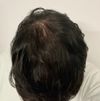
Hair loss treatment with Fin 1mg, Min foam twice a day for 4 months. Minoxidil can make hair darker by stimulating melanocytes; keto shampoo also used.
The user experienced stable hairline but diffuse thinning after switching from oral finasteride to a topical solution of minoxidil and finasteride. They are concerned about the effectiveness of the topical treatment and are considering other options due to a recent decline in hair density.
The conversation is about concerns over starting minoxidil due to the initial shedding phase, with minoxidil being the only available treatment option. Despite fears, shedding is a normal part of the process and indicates new hair growth.
The conversation discusses the use of oral minoxidil for hair loss, with some users suggesting combining it with finasteride for better results. Opinions vary on the effectiveness of minoxidil alone, especially for younger individuals, while others emphasize the importance of finasteride in treating male pattern baldness.
Minoxidil foam can be used with styling products, but it's best to wait before applying fibers. Switching to night application may help maintain hairstyle.
The user documented hair regrowth progress over 8 weeks using Minoxidil foam twice daily and weekly microneedling. Another user suggested adding finasteride for better results.
Doug-Sweeney has had positive results from using 1mg of finasteride and 5% minoxidil applied twice a day to treat his hair loss. Other users have also commented on how Doug-Sweeney looks younger with the improvements in hair quality.
Minoxidil is showing noticeable hair regrowth, but users suggest adding finasteride for better results and longer-lasting effects. Concerns about finasteride's side effects are discussed, but many users report minimal issues.
A user shared progress pictures showing successful hair retention using a low-dose topical finasteride (0.008%) combined with minoxidil. Users discussed the effectiveness of the treatment, minimal effective dosing, and avoiding systemic side effects.
The user experienced significant hair quality and thickness improvement using a daily topical treatment of 0.3% finasteride and 6% minoxidil, with noticeable regrowth in the last few months. Minoxidil can darken hair by increasing pigmentation.
The user is discussing their hair regrowth progress after 40 days of using oral minoxidil 2.5mg, 1mg finasteride, and 5% topical minoxidil daily. They are seeking feedback on their progress.
The user experienced hair regrowth using daily oral finasteride and topical minoxidil applied about five times a week, with some existing hair becoming thicker and new growth appearing. They also used dermastamping once a month and are considering adding topical GHK-Cu to their regimen.
Topical minoxidil with finasteride can help focus treatment on the scalp, with shedding being normal initially. Foam minoxidil is easier to apply, PRP's effectiveness varies, and anti-dandruff shampoos like ketoconazole are beneficial for scalp health.
The user experienced scalp inflammation and rapid hair loss after using minoxidil, despite initial success. Suggestions included switching to minoxidil foam, using oils, trying aspirin, and considering RU58841 for inflammation and hair loss management.
A user shared progress pictures after three months of using 5mg oral minoxidil and 0.5mg oral finasteride, showing significant hair regrowth following a hair transplant. Other users praised the results, discussed similar experiences, and expressed interest in trying oral minoxidil.
The user experienced significant hair regrowth using 1 mg finasteride daily and 5% topical minoxidil once a day over seven months, with minor side effects like hypertrichosis. Consistency in treatment was emphasized, and the user reported improved hair density and texture without major side effects.
A 36-year-old experienced slow, diffuse hair thinning over 15 years and saw significant improvement using 5% topical minoxidil alone for 3 months, without finasteride or microneedling. The user is pleased with the results, noting increased hair density and no visible scalp, and plans to continue monitoring progress without using hormone-affecting treatments.
Low-dose oral minoxidil shows mixed results, with some users experiencing hair regrowth and others seeing no significant change. Finasteride is also commonly used, often in combination with minoxidil, and is generally considered effective with a low rate of side effects.
A user started treating their hair loss with 1mg finasteride and 2.5mg minoxidil daily, and has seen progress in two months. They also use 2% ketoconazole shampoo twice a week and a derma stamp once a week with liquid minoxidil.
A 20-year-old is using minoxidil for hair regrowth and considering finasteride despite concerns about side effects. Many suggest adding finasteride to maintain gains, with recommendations to start with a low dose or use a topical form to minimize side effects.
The post discusses a user's 6-month progress using topical finasteride (0.08%) and minoxidil (5%) once a day, combined with scalp micropigmentation (SMP). The user hopes for improved hair growth as they let their hair grow out.
A 20-year-old is using 5% minoxidil and 0.1% dutasteride foam, along with oral 2.5 mg minoxidil, Forcapil, vitamin D3, and Alpecin shampoo for hair loss, noticing new hair growth and improved hair density. They previously tried finasteride but stopped due to side effects.
Minoxidil and finasteride are discussed for hair loss, with concerns about minoxidil's heart-related side effects. New treatments like PP405 are met with skepticism, often humorously noted as always being "five years away."
The user has been using 5% minoxidil once daily and microneedling with a 1.5 mm dermaroller weekly for three months, considering increasing minoxidil usage but avoiding finasteride due to libido concerns. Another person suggests considering other treatments like RU58841, alfatradiol, topical finasteride, clascoterone, or saw palmetto since not using a DHT blocker could be less effective.
The user is using 5% minoxidil foam twice daily and 1mg finasteride nightly for hair loss, and has seen positive results in 3 months. They plan to continue the treatment indefinitely as it provides reassurance against hair loss.
A 40-year-old man experiencing male pattern baldness reports noticeable hair regrowth after 6 weeks of using finasteride 1 mg daily, topical minoxidil 5% twice a day, and ketoconazole shampoo twice a week. He has not experienced any side effects and plans to continue monitoring his progress.
A user shared their positive experience with a clinical trial for a new oral medication, VDPHL01, which is a reformulated version of oral minoxidil taken at a high dose of 17mg daily, showing significant hair regrowth after six months. The user noted that this formulation is believed to be more effective and time-released, with fewer side effects compared to regular oral minoxidil.
The user is seeking advice on the correct dosage and frequency for applying 5% Rogaine minoxidil foam for hair regrowth. They are also using finasteride and want to avoid side effects.
This conversation is about a user's progress with using oral minoxidil 5mg to treat their hair loss, in combination with finasteride. The replies discuss the effectiveness of this treatment and provide additional information on potential methods for obtaining it.