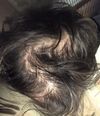
The user is allergic to minoxidil and experienced severe itching and redness. They are considering alternatives like finasteride, dutasteride, and dermarolling for hair loss treatment.
The user experienced side effects from daily 1 mg Finasteride and switched to 0.5 mg every other day, supplemented with creatine, tongkat ali, tribulus terrestris, vitamin D3, bromantane, l-tyrosine, and caffeine. They also use weekly 1.5 mm microneedling and daily 50 mg RU58841, except on microneedling days, to manage hair loss.
Red light therapy for hair loss is controversial, with mixed results reported. Its effectiveness may depend on device quality and proper wavelength, and it is often used with minoxidil and finasteride.
The conversation discusses using minoxidil and finasteride for hair loss, with concerns about absorption and considering adding tretinoin for better results. Microneedling is suggested as a method to improve absorption, with varying depths and frequencies recommended.
A 30-year-old with diffuse thinning and a balding crown is using a treatment regimen of a 2-in-1 pill containing finasteride, minoxidil, and biotin, along with various supplements. After two weeks, no side effects have been experienced, and updates with pictures will be posted monthly.
A poem humorously suggests hope for a new hair loss treatment, PP405, while users debate the effectiveness and side effects of current treatments like Finasteride. Concerns are raised about Finasteride's side effects, especially for young users, and skepticism about new treatments is expressed.
OP experienced significant hair shedding after 8 months of using topical minoxidil and plans to start finasteride. They are concerned about hair loss and have scheduled a dermatologist appointment.
The conversation discusses how Tretinoin may improve the effectiveness of Minoxidil for treating hair loss by increasing the activity of certain enzymes in hair follicles. One user comments that this information is not new.
A 38-year-old man reports positive results using topical Minoxidil 5% and infrared therapy for hair regrowth over four months, along with Saw Palmetto and Pumpkin Seed Oil supplements. Others suggest adding Finasteride for better maintenance and discuss the role of DHT blockers.
Exploring different treatments for hair loss, such as cosmeRNA and HMI-115 which are small interference messenger RNA that inhibits the DHT receptor and an antibody that binds to the prolactin (PRL) receptor respectively; and researching mechanism and environment of hyperresponders.
Minoxidil may cause fine lines and dark circles, but effects might be reversible with retinol. Users report mixed experiences, with some noticing skin changes and others not.
Microneedling is unlikely to damage existing hair if done with a device using a smaller needle count, like a 9-needle cartridge, and a stamping motion. Hair follicles are deeper than the typical needle penetration depth.
A 42-year-old user shares progress on hair loss treatment using finasteride, topical minoxidil, and dermarolling. They seek advice on obtaining Minoxidil pills in Europe.
The conversation discusses unconventional methods for hair regrowth, including scalp trauma like burning or microneedling, and compares them to treatments like Minoxidil and Finasteride. It highlights skepticism about these methods and the body's unpredictable healing responses.
The user is taking 2.5 mg dutasteride and 5% minoxidil but is not seeing hair regrowth, and is considering adding RU58841. They are experiencing fatigue and low MCV/MCH, possibly related to dutasteride, and are advised to be patient, consider microneedling, and check for iron deficiency.
PP405 is a potential hair loss treatment, but its safety and effectiveness are uncertain. Users advise caution and suggest waiting for more data before purchasing unverified versions.
Scientists at UCLA have developed a promising treatment for male pattern baldness using a molecule called PP405, which can potentially stimulate dormant hair follicles. Initial trials showed significant results within a week, but larger clinical trials are needed to confirm its efficacy and safety.
The post is about a user's progress with using minoxidil and finasteride for hair loss. One user suggests that dermarolling may also be contributing to the positive results.
The user is considering adding low-level laser therapy (LLLT) to their hair loss treatment routine, which already includes minoxidil, finasteride, and microneedling. They are debating between purchasing a cheaper LLLT device or investing in a more expensive, clinically-backed option, with concerns about the effectiveness and specifications of cheaper models.
Red light therapy is scientifically proven to promote hair growth by increasing strand density and thickness, and it's an additional treatment to DHT blockers like minoxidil and finasteride. Some users are skeptical about the cost and effectiveness of commercial devices, despite studies showing benefits.
Hair loss is linked to a higher rate of body dysmorphic disorder (BDD), OCD, and depression. Finasteride and dutasteride are not linked to increased suicidal risk, though some users report mental health side effects.
The conversation discusses verteporfin as a potential treatment for hair regeneration, which could lead to unlimited hair transplants by healing the donor area. Some users are considering using verteporfin now, while others are hopeful it will be available for future hair transplants.
The user experienced severe side effects from finasteride and is considering a combination therapy including Minoxidil, Tretinoin, microneedling, caffeine, and other ingredients. They are also thinking about adding red light therapy and microneedling once per week.
The user experienced temple recession, shedding, and acne while on 0.5mg dutasteride, 1.25mg finasteride every other day, and 5mg oral minoxidil daily. They are considering switching treatments due to worsening symptoms and are contemplating using a topical anti-androgen like RU58841.
The conversation discusses the potential for Verteporfin to reduce scarring, making hairline lowering surgeries more viable for men with mild hair loss. The user suggests that if scarring can be minimized, men might opt for hairline lowering instead of using grafts for other areas.
The user is using topical minoxidil and finasteride with good results and is considering adding stemoxydine 5% to their regimen. Another user suggests trying it if financially feasible, as results can vary.
The user improved diffuse thinning without finasteride by using minoxidil foam, cold showers, gentle hair drying, 2% ketoconazole, sulfate-free tea tree oil shampoo, dermastamping, and supplements like Omega-3, Vitamin-D, Biotin, Keratin, Collagen, B3, Zinc, and Magnesium. The regimen was followed for about six months under dermatologist guidance.
The post discusses a user's hair loss treatment involving Dutasteride 2.5 mg 5 times per week, Finasteride 1mg 4 times per week, RU58841 daily, and Minoxidil twice daily. A reply suggests that the combination is excessive, particularly the use of both Dutasteride and Finasteride, and labels it as a "chemical castration protocol".