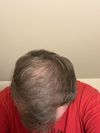
After 2 months of using Minoxidil and finasteride, OP noticed fuller hair, confirmed by their wife's observation. OP is pleased with the progress, though the change isn't drastic.
The conversation is about which blood markers to test before starting a 5-AR inhibitor for hair loss. The user mentions already testing Total T, Free T, SHBG, Estradiol, Haematocrit, Red blood cell count, and White cell count, and asks if DHT or additional markers are needed.
The user has been using finasteride for 7 months, along with dermarolling, Nizoral shampoo, vitamins, and minoxidil spray and oral minoxidil. They experienced variable hair shedding and improvement, and are concerned about the normalcy and future of their hair condition.
The user stopped finasteride for three months to try for a baby but continued using minoxidil and micro-needling. They are concerned about hair shedding and plan to resume finasteride after the baby is born.
The user stopped using topical minoxidil and finasteride after 2.5 months and switched to oral finasteride, 1mg daily, and did microneedling 1.5mm seven times. They experienced occasional sleep issues and watery semen as side effects, which stopped after discontinuing the topical treatment.
The user is on Finasteride for hair loss, taking 0.5mg daily, and plans to reduce the dose to 0.25mg while making lifestyle changes to lower prolactin, SHGB, and cortisol. They will retest in 90 days to assess progress and are open to advice.
The user shared progress pictures after three months of using RU58841, finasteride, and OM (oxidative stress modulators) for hair loss treatment. They haven't noticed much change but are seeking feedback on their results.
A 17-year-old is using topical minoxidil for hair loss and is considering other treatments like ketoconazole shampoo and saw palmetto while waiting to start finasteride at 19. Suggestions include using oral minoxidil, topical antiandrogens like RU58841, and CB-03-01, with a focus on minimizing systemic DHT impact.
The user experienced increased hair shedding after switching from finasteride to dutasteride, despite lifestyle improvements and additional treatments like oral minoxidil and PRP. They are concerned about persistent shedding, changes in hormone levels, and potential chronic telogen effluvium, and are considering a scalp biopsy for further investigation.
The user is considering switching from topical Minoxidil to oral Minoxidil due to concerns about maintaining a topical routine. They have already started finasteride and are trying to prevent further hair loss progression.
A female user with chronic anemia and vitamin deficiencies is experiencing finer, straighter hair and seeks recommendations for scalp products to improve circulation and prevent potential hair thinning. She is considering growth oils but is unsure of their effectiveness.
A 17-year-old is concerned about potential hair loss due to maternal genetics and wonders if treatments like Minoxidil, Finasteride, or RU58841 will be effective. They hope their paternal genetics will help prevent hair loss or make treatments more effective.
The conversation discusses hair loss treatments, specifically Setipiprant, finasteride, and bimatoprost. Setipiprant is suggested for maintenance, while bimatoprost is for regrowth, and combining them with dermarolling is recommended for better results.
A 32-year-old male with Norwood 3 and heavy diffuse thinning is starting a hair loss treatment including RU58841, Minoxidil, finasteride, derma rolling, vitamins, and possibly MK677, while cutting out most sugars from his diet. He plans to share progress photos and updates on his test levels.
The conversation is about a user's 13-month progress using oral finasteride and topical minoxidil for hair loss, showing significant improvement but considering a hair transplant for increased density. The user also takes biotin and saw palmetto, uses Hims shampoo, and plans to consult a surgeon for potential grafts.
The conversation discusses a user's 3.5-month experience using pyrilutamide and minoxidil for hair loss, with some perceived improvement in the temples but potential recent regression. Another user suggests that maintaining the current hairline, even without improvement, is positive.
The user switched from oral minoxidil to topical minoxidil and added JXL-069/PP405-3HP, along with topical dutasteride, melatonin, and tretinoin. They also use low-level laser therapy (LLLT) but doubt its effectiveness.
A 28-year-old male is documenting his early progress with oral finasteride (1mg daily) and oral minoxidil (2.5mg daily) for hair loss, noting some improvement after three months. He also uses supplements, head massages, and a derma roller, with no significant side effects reported.
A user shared their 3-year progress using 1mg finasteride and 5% topical minoxidil twice daily, reporting significant hair regrowth and some side effects like bloating, seborrheic dermatitis, and water retention. The user is happy with the results, noting improvements in both the crown and hairline.
The user has been using finasteride and topical minoxidil for 15 months but is experiencing constant hair shedding, similar to telogen effluvium, despite stable widow peaks. They have checked for vitamin and mineral deficiencies, consulted specialists, and are considering further investigation like a scalp biopsy.
The user started oral finasteride and minoxidil for hair thinning but noticed increased hair shedding after three weeks. They are concerned and seeking advice on coping with this side effect.
The user is considering resuming finasteride after a 6-month break and is debating the necessity of extensive blood work, including hormone and health markers, to establish a baseline. They are unsure if the tests are necessary since they experienced no side effects previously.
The user experienced significant hair regrowth using 1mg oral finasteride daily and a walnut-sized amount of minoxidil foam once a day. They started balding at 17 and reported no side effects from the treatments.
A female user is seeking feedback on using topical minoxidil on eyebrows due to eyebrow loss, as oral minoxidil hasn't worked and they avoid Latisse due to potential fat loss.
A user experienced significant hair regrowth using finasteride and minoxidil over four years, despite side effects like seborrheic dermatitis, urinary changes, and water retention. They were satisfied with the results and maintained a strong physique.
A 43-year-old is experiencing hair thinning and is considering hair loss treatments. They are hesitant to use topical Minoxidil due to its toxicity to pets and oral Finasteride due to concerns about side effects, and are exploring alternatives like topical Finasteride, oral Minoxidil, or microneedling.
The user is experiencing hair thickening with oral minoxidil but notices worsening hairline and considers starting finasteride despite concerns about gynecomastia. They are also considering using Latisse on their hairline and seek advice on potential outcomes and experiences with these treatments.
Hair loss treatments discussed include Minoxidil, Finasteride, and RU58841. Users share experiences with Finasteride, mentioning watery semen as a side effect and weighing its importance against maintaining hair.