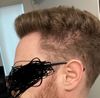
The conversation is about the potential of SCUBE3 to regrow a juvenile hairline. Specific treatments mentioned include Minoxidil, Finasteride, and RU58841.
SCUBE3 and GT20029 are potential treatments for hair loss, with SCUBE3 stimulating hair growth and GT20029 protecting against DHT. A combined approach using SCUBE3, finasteride or dutasteride, and later GT20029 could provide a comprehensive treatment for androgenetic alopecia.
A 45-year-old with NW class 6 baldness reports unexpected hair regrowth without a transplant after starting a new treatment in Lahore, Pakistan. Previous treatments with Minoxidil and Finasteride showed no progress, but the new specialist's approach is yielding results.
A user did not respond to finasteride, dutasteride, and oral minoxidil for hair loss after four years of treatment and is considering scalp micropigmentation (SMP). Other users suggest the hair loss pattern may indicate alopecia areata and recommend seeing a dermatologist.
A 25-year-old with AGA experienced hair thinning and dandruff, stabilized with topical finasteride and minoxidil but saw minimal regrowth. They seek advice on styling and consider oral minoxidil and microneedling for denser hair.
Many regret delaying hair loss treatments like finasteride and minoxidil, impacting self-esteem and dating. Additional treatments include scalp micropigmentation and hair transplants, with some experiencing side effects or high costs.
The conversation discusses managing hair loss and scalp issues, with users sharing experiences using treatments like dutasteride, finasteride, ketoconazole, sulfur soap, and topical anti-androgens. Suggestions include trying sulfur soap, scalp massages, spironolactone, and dietary changes to reduce sebum production and dandruff.
The post and conversation discuss the link between DHT (a hormone), scalp itchiness, and hair loss. Some users share their experiences and treatments, including the use of fluconazole, corticosteroids, and ketoconazole shampoo, with one user suspecting minoxidil as a potential cause of their symptoms.
The conversation is about a 21-year-old seeking advice on managing hair loss, considering options like shaving, hair implants, or using treatments like finasteride and minoxidil. The user is concerned about self-image and the social implications of being bald at a young age.
People discussed solutions for scalp itching related to hair loss, with treatments including finasteride, dutasteride, ketoconazole shampoo, and Alpecin Hybrid shampoo. Some users found relief by adjusting dosages of finasteride or switching to dutasteride, while others recommended specific shampoos or prescription options like olux foam.
The individual is experiencing hair thinning primarily at the front/middle of their scalp and is seeking to identify the type of hair loss they have. They already use treatments like oral Minoxidil, topical Finasteride, Tretinoin gel, dermarolling, and various oils and shampoos.
If treatments like finasteride, minoxidil, PRP, microneedling, and exosomes fail, opinions differ on using a hair system or shaving. Some choose shaving for simplicity, while others consider hair systems despite maintenance concerns.
PP405 may induce new hair growth but cannot revive completely dead follicles, and its effectiveness on hairlines is uncertain. It is expected to be available by mid-2028, but users are advised to manage expectations and consider using other treatments like minoxidil and finasteride.
The user experienced significant hair regrowth with topical finasteride, minoxidil, ketoconazole, and dermarolling, but later faced severe hair shedding after stopping dermarolling and reducing ketoconazole use. Suggestions included switching to oral treatments, resuming dermarolling, and considering lifestyle changes.
A user's journey with hair loss and their use of topical finasteride, minoxidil and pyri/minoxidil ratio treatments to attempt hair regrowth. Replies focused on offering support and advice while sharing personal experiences with different treatments.
The user experienced side effects from spironolactone and is seeking alternatives for androgenetic alopecia (AGA), considering saw palmetto but unsure of its effectiveness. They are also exploring the possibility of using topical spironolactone, despite availability challenges.
A user is experiencing hair loss in the center of their hairline and has been using topical finasteride for seven months with minimal progress. They are considering switching treatments due to concerns about losing ground and potential side effects of other options.
The user experienced a receding hairline and tried minoxidil, which may have slowed the process but caused puffy eyes. They are hesitant to use finasteride and suspect oily dandruff might be an aggravator.
A user started using topical finasteride 0.1% with Aloe Vera 0.05% on May 19, 2023, to address hair loss that began at age 27. They plan to post progress pictures every three months.
The user has been experiencing hair loss since the age of 16 and has tried various treatments including minoxidil, finasteride, RU58841, microneedling, and keto 2%. Despite these efforts, there has been little improvement in hair growth. The user is considering other options such as dutasteride, perilutimide, or a hair transplant in the future, but for now, they are accepting the shaved look and focusing on personal growth and school.
A 34-year-old male is experiencing hair loss on the sides of his head, with inflammation and itchiness, while the top remains thick. He is using topical dutasteride and keto shampoo to address the issue.
A 31-year-old man with androgenic alopecia is considering treatments like finasteride, minoxidil, and ketoconazole shampoo but is worried about finasteride's side effects. Users recommend starting with finasteride or dutasteride for DHT blocking, suggesting topical solutions to reduce side effects.
The clinic diagnosed the user with NW3 and AGA, noting thinning hair despite using finasteride for 3 years, and suggested PRP and Mesotherapy before considering a transplant. The user questions the necessity of these treatments without confirming retrograde alopecia and its treatability.
A 32-year-old male with hair loss cannot use finasteride due to erectile dysfunction and minoxidil due to scalp psoriasis. He seeks alternative treatments for his condition.
Hair loss is a common issue, with treatments like finasteride and minoxidil used but not as permanent cures. Frustration exists over societal perceptions and the lack of a definitive solution.
How androgens, including testosterone, can cause hair follicles to miniaturize in people with sensitivity to androgens, and treatments such as finasteride, dutasteride, minoxidil, RU58841, or fluridil may be used in combination for long-term treatment.
The conversation discusses treating male pattern baldness with topical products containing Saw Palmetto extract. Specific treatments mentioned include Minoxidil, Finasteride, and RU58841.
A 22-year-old male has been experiencing widespread hair loss for over four years, including pain and significant shedding. Treatments tried include ketoconazole shampoo, fluocinonide topical solution, biotin, ACV, and dry shampoo, but none have been effective.
A 20-year-old female is experiencing hairline loss and seeks effective natural remedies or affordable drugstore treatments. She has tried flax seeds and aloe vera without success.