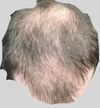
Using finasteride and peptides, including GHK-Cu, improved hair thickness and regrowth. The user also used a KLOW blend and CJC/IPA for better sleep and recovery.
Adipose-derived stem cells with ATP improved hair regrowth in male and female mice with androgenetic alopecia. The most effective treatments were low dose stem cells with ATP for males and medium dose stem cells with non-liposomal ATP for females.
Follicum discovered that their drug FOL-005 increased hair count by 12 hairs per cm2 in patients with less than 255 hairs per cm2 and is planning a phase 2b trial. They are currently fundraising for the trial, and the drug may also be effective for women.
Minoxidil, finasteride, and RU58841 promote hair growth by different mechanisms, with minoxidil and prostaglandin E1 being specifically mentioned. Corticosteroids can also cause hair growth.
The conversation discusses using scalp antiandrogens like RU58841, pyrilutamide, or fluridil on the face to reduce sebum production, noting that clascoterone (winlevi) is an approved facial antiandrogen with underwhelming reviews.
Topical finasteride results in plasma levels 100 times lower than oral finasteride, potentially reducing systemic side effects. Users report similar efficacy with fewer side effects, suggesting a preference for topical application.
Bimatoprost and latanoprost are being considered for scalp hair growth, with concerns about side effects like skin darkening and fat loss. A user warns about potential chemical burns from latanoprost.
The user experienced severe side effects with topical finasteride, continued using Minoxidil, and was advised to try topical dutasteride after a test suggested they might not respond to finasteride. They are hesitant to start the new treatment due to past side effects.
PP405, a topical treatment, shows promise for hair growth by activating inactive follicles, with 66% of participants experiencing positive results. The treatment is well-tolerated and may proceed directly to Phase 3 trials, offering a potential alternative to minoxidil and finasteride.
A 24-year-old male experienced an increase in estradiol levels and symptoms like gynecomastia and excessive sweating after using Minoxidil for hair loss. His estradiol levels decreased after he stopped using Minoxidil.
A user is experiencing scalp flaking from a finasteride/minoxidil topical solution and considers using salicylic acid shampoo to remove propylene glycol residue. Another user suggests trying a leave-in conditioner to address dryness and flaking.
RU58841 may help some with hair loss, but it can have side effects like heart pain. Dutasteride and finasteride can cause initial shedding, and results may take time.
A treatment showed a 20% hair density increase in weeks, with nearly a third of participants experiencing significant results, while questions remain about its long-term efficacy and effectiveness across different scalp areas. There is interest in combining it with finasteride and minoxidil for potentially better outcomes.
Topical minoxidil with tretinoin is causing redness, stinging, and flaking on the scalp. Reducing application frequency and using anti-dandruff shampoo may help alleviate symptoms over time.
A new topical treatment, PP405, shows promising results for hair regrowth, potentially outperforming existing treatments like finasteride and minoxidil. However, it may still need to be combined with DHT blockers for optimal results, and its long-term effectiveness remains uncertain.
The user discusses using Follics FR5, FR10, and FR15, which combine Minoxidil, Adenosine, Procapil, Azelaic acid, and Procyanidin B2, to address hair loss. They have previously used Minoxidil, Finasteride, and Dutasteride with varying success.
A user is upset about hair loss due to seborrheic dermatitis and DUPA, which prevents a hair transplant. They mention using jojoba oil and discuss treatments like Minoxidil, finasteride, and RU58841.
A user reported a significant increase in testosterone and estradiol levels after taking Finasteride for 5 months, with estradiol levels rising over 2000%. They plan to consult their doctor, suspecting a lab error, as they feel fine with no side effects.
A 21-year-old experienced hormone changes after using self-made topical finasteride for hair loss, including a 20% decrease in DHT, a 47% increase in testosterone, and a 39% increase in estradiol. The user previously used minoxidil and microneedling but is now seeking ways to balance hormones, possibly through supplements or dosage adjustments.
The user has tried various hair loss treatments including topical minoxidil, oral finasteride, oral dutasteride, oral minoxidil, and exosome therapy, but none have been effective. They suspect trichodynia might be preventing these treatments from working.
The conversation is about whether testing for free DHT is necessary before starting Finasteride for hair loss, despite having other hormone tests available. One person suggests that genetic response to DHT is more important than DHT levels and advises starting Finasteride without the free DHT test.
The conversation discusses progress with a hair loss treatment regimen that includes once daily topical Finasteride, Pyrilutamide, and WAY-316606. Specific treatments for hair loss are being shared and discussed.
Quitting RU58841 after over two years reduced scalp itching and inflammation, despite concerns about losing hair gains. The user continues using finasteride and oral minoxidil.
The conversation discusses potential new treatments for androgenetic alopecia (AGA), including verteporfin, pyrilutamide, and hair cloning. There is optimism about scientific advancements providing alternatives to minoxidil and finasteride.
The conversation is about the release of a new phase 3 clinical trial for a year and questioning if the results of the 6-month clinical trials will be shown this quarter. The specific treatment discussed is Pyrilutamide.
The user has been using oral finasteride and minoxidil for hair loss but is considering switching back to topical minoxidil due to persistent scalp issues. Another user suggests an anti-inflammation regimen and oral dutasteride.
Mixing RU58841 with minoxidil compounded with tretinoin is discussed, with concerns about systemic absorption. Topical dutasteride and finasteride are also mentioned as treatments, with varying personal experiences and concerns about side effects.
Pelage plans to release phase 2 results and start phase 3 trials for PP405 in 2050, but skepticism remains due to past delays and unfulfilled promises. Users express frustration over the lack of progress in hair loss treatments, mentioning Minoxidil, finasteride, RU58841, CB-03-01, and Fluridil.
The conversation discusses hair loss treatments, specifically Brassica oleracea extract, glucosinolates, and sulforaphane, and their potential to promote hair growth. Users also mention minoxidil and finasteride as existing treatments.