The conversation is about frustration with dermatologists not effectively treating hair loss and the difficulty in obtaining prescriptions for Minoxidil and Finasteride. Some users suggest seeing specialists or general practitioners for hair loss treatment, while others share their own experiences with dermatologists and the importance of doing personal research.
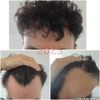
User shared before and after photos of hair regrowth using Dutasteride 5x a week for 19 months. They experienced significant improvement and thanked others for their support.
Naming a child after hair loss treatments like Propecia and Finasteride, with most users advising against it. The conversation includes humorous and critical responses, suggesting more conventional names.
The conversation discusses using P5P (Vitamin B6) supplements to reduce elevated Prolactin levels and concerns about its potential effect on increasing DHT levels. The user is not currently using finasteride or any anti-androgens.
The conversation discusses the safety study of PP405, emphasizing that early trials focus on safety rather than efficacy, and that any efficacy data from such a short study should be viewed skeptically. It also highlights that the information released is primarily for securing funding, and that meaningful efficacy results are expected in later phases.
Finasteride and dutasteride are discussed as preventative treatments for hair loss, with some advocating for early use and others concerned about side effects, especially before full maturity. Many regret not starting these treatments earlier due to their effectiveness in preventing or slowing hair loss.
PP405 shows initial promise for treating androgenetic alopecia, with safety confirmed in early trials, but skepticism remains due to limited data. Further trials are needed to determine its true efficacy and potential market impact.
A peptide-based delivery system for finasteride shows promise in reducing systemic side effects while maintaining hair growth effectiveness. Combining this with other treatments like minoxidil and RU58841 could enhance results with lower systemic absorption.
Post Finasteride Syndrome (PFS) may result from epigenetic changes and gut microbiota alterations. Supplementing with Allopregnanolone might protect against these adverse effects.
The user experienced side effects with 1mg finasteride and is considering using a 0.5mg dose to prevent them. Another user suggested splitting the pills to achieve the lower dose.
Starting finasteride, dutasteride, and minoxidil early is advised for minimal hair loss to preserve hair. Professional consultation is important due to potential side effects.
Low doses of finasteride, even as low as 0.25 mg, can effectively prevent hair loss without significantly lowering DHT levels. Combining finasteride with natural DHT-lowering solutions may achieve similar results to higher doses.
PP405 is a new topical treatment for hair loss, showing promise in trials but still requires finasteride for maintenance. There is skepticism about its effectiveness and safety, with concerns about needing finasteride to maintain results.
A 26-year-old is taking 1mg finasteride for hair loss prevention, experiencing side effects like low libido, and considering adding minoxidil but is hesitant. Users suggest sticking with finasteride, possibly adjusting the dosage, and incorporating scalp massages or microneedling to improve results.
P5P supplementation helped reverse finasteride side effects, particularly by lowering prolactin levels and restoring sensitivity. The user experienced significant improvement within a day and full recovery in a few days.
PP405 is anticipated as a future treatment for dormant hair follicles, but its effectiveness and safety are uncertain. Current treatments include oral minoxidil and microneedling, with some avoiding finasteride due to side effects.
A user expressed concern about using low-dose topical finasteride while conceiving, but was reassured that the risk of affecting a fetus is negligible. The user stopped using finasteride during pregnancy and switched to minoxidil and ketoconazole, while others shared experiences and advice on using these treatments safely.
The conversation discusses the potential benefits of finasteride (Fin) for lowering cholesterol and reducing cardiovascular disease risk, with users sharing personal experiences and opinions on the medication's effects on health and hair loss. Some users report positive changes in cholesterol levels after taking finasteride, while others are skeptical or joke about its effects.
A user is concerned about receding hairlines and considers using finasteride and minoxidil but is hesitant due to potential side effects. Others advise starting treatment early to prevent further hair loss, emphasizing that finasteride is generally safe and effective for prevention.
The user is experiencing early hair loss and is using finasteride, Rogaine, biotin, vitamin D3, and Nizoral. They are concerned about whether starting treatment early will help them keep their hair despite strong genetic predisposition to balding.
New hair loss treatments, including Breezula, VDPHL01, and PP405, are nearing Phase 3 trials, offering hope for effective solutions. Current treatments like finasteride and minoxidil remain effective, but early intervention is crucial.
Setipiprant and Fevipiprant are questioned for their effectiveness in hair maintenance, with skepticism due to lack of convincing results beyond vellus hair growth. The user is satisfied with Minoxidil and Finasteride but is curious about the potential of DP2 inhibitors.
Taking dutasteride with a meal containing fat may improve absorption, but consistency in routine is more important than timing. Minor variations in absorption won't significantly affect efficacy due to dutasteride's long half-life.
PP405 may promote short-term hair growth by pushing follicles into the growth phase, but concerns exist about long-term effects due to lack of rest phases. Users discuss various treatments like finasteride, minoxidil, spironolactone, alfatradiol, and investigational drugs like KX-826 and GT20029 for hair maintenance and regrowth.
PP405 might make minoxidil unnecessary, but finasteride or other 5AR inhibitors may still be needed. PP405 is expected to be expensive and not available until at least 2028, with limited information on its effectiveness.
A 28-year-old male with a family history of baldness is deciding whether to start finasteride now or wait for visible hair changes. He is considering starting finasteride immediately to proactively address potential hair loss.
Dutasteride is more effective than finasteride, has neuroprotective benefits, and may prevent acne. Despite initial concerns about metabolic effects, further research suggests it is safe for most users, especially if not hypogonadal.
Concerns about the long-term safety of VDPHL01, an extended-release minoxidil, due to potential risks similar to Cantu syndrome, were raised, highlighting the lack of monitoring for chronic connective tissue changes. The conversation suggests that while the treatment may improve hair growth, it could lead to issues not detected in short-term trials.
PP405 shows some hair growth after 4 weeks, but results are debated and expectations should be tempered. Some users compare it to minoxidil or finasteride, questioning its effectiveness and commercialization timeline.