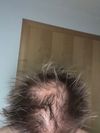
User got a hair transplant and it improved their life. Transplanted hair lasts, but medication like finasteride is needed to maintain non-transplanted hair.
The user's progress with hair loss treatments, including Fin 1mg daily, Minoxidil once a day and Keto 2% twice a week. Another user commented in response.
Kintor's GT20029, a treatment for hair loss, has completed Phase 1 successfully, showing promise as an androgen receptor degrader that could potentially regrow hair. It is considered more effective than Pyrilutamide, with infrequent dosing and minimal systemic absorption.
Corticosterone inhibits GAS6, affecting hair follicle stem-cell activity, with potential implications for stress-related hair loss. Ashwagandha and Vitamin K are suggested for reducing cortisol, but their effectiveness is debated.
Isoflavones from soybeans may help limit estrogen's effects on the body, potentially preventing gyno. However, surgery is the only way to remove gland enlargement.
A female, aged 17-18, is experiencing significant hair loss, feeling hopeless despite trying various treatments like leave-in conditioners, omega-3s, supplements, sulfate-free shampoo, and biotin. She is distressed as her hair continues to thin, affecting her body image and self-esteem.
Castor oil is being considered for hair thinning, with some users noting it may prevent hair breakage but not affect DHT-related hair loss. Some users report mixed results, with one mentioning increased body hair growth from oral consumption.
Using spirulina and chlorella to boost ferritin and iron levels reduced hair shedding by more than half in a month. The user found these natural supplements more effective than regular iron tablets for hair growth.
A 34-year-old woman has been using a topical solution of 5% Minoxidil and 0.1% Finasteride since January 2026 to address hair thinning caused by PCOS and poor nutrition. She reports ongoing hair shedding but has improved her diet with whole foods and supplements.
Hair loss involves more than just DHT, with genetic factors like TRPS affecting hair follicles. Treatments such as Amplifica's AMP-601 and AMP-303 target stem cells for potential hair growth solutions.
A user discusses their extensive hair loss treatment regimen, which includes dutasteride, oral and topical minoxidil, RU58841, various supplements, and lifestyle changes. The conversation includes opinions on the effectiveness and necessity of such a comprehensive approach, with some users suggesting alternatives like microneedling and questioning the high dosage of dutasteride.
Minoxidil works by opening potassium channels, leading to reduced blood pressure and potential side effects like reflex tachycardia. It is used for hair growth and affects blood pressure at high doses.
Clascoterone 5% and PP405 are being discussed as potential future treatments for hair loss, with clascoterone nearing phase three completion and PP405 possibly taking a cosmetic route to market. Current treatments like minoxidil, finasteride, and RU58841 are mentioned as effective in slowing hair loss, but a complete cure remains elusive.
A user shared their positive experience with hair transplants by Dr. Craig Barton, having undergone two surgeries totaling 3,600 grafts for $12,000. They have been using finasteride and dutasteride for maintenance but stopped using minoxidil due to shedding issues.
Rapid weight loss may have triggered increased hair shedding. Continuing with finasteride, microneedling, a healthy diet, and supplements like MSM and vitamin B is advised, but results may take 6-12 months.
Common foods that may support hair growth include ginger shots, salmon, roasted chicken, spinach, tinned sardines, and grass-fed ground beef. Energy drinks are considered bad, and iced coffee is suggested as a possible alternative.
The user is taking a 2-in-1 pill containing 1mg finasteride and 3mg minoxidil daily, noticing some hair thickening and new hair growth but minimal progress at the back of the head. They are considering adding topical minoxidil or increasing dosage and are unsure if they should change their routine or wait for more results.
Intermittent fasting may suppress hair follicle regeneration, but opinions vary on its impact on hair loss. Some users report no negative effects or even hair improvement while using treatments like finasteride and minoxidil.
A 25-year-old experiencing hair thinning all over the body and head, despite using minoxidil and having low vitamin D levels, is advised to seek a second opinion from a dermatologist specializing in hair loss. The likely diagnosis is diffuse alopecia areata, which may require treatment with a JAK inhibitor.
The conversation discusses the delay in bringing FAK inhibitors and Stanford's hydrogel to market for hair transplants, with a preference for FAK inhibitors over Verteporfin due to their superior potential in preventing scarring. The user expresses frustration over the slow progress and hopes for faster development by companies like FAKnostics.
Hair growth serums, specifically those with minoxidil and finasteride, are discussed as potential treatments for hair loss. The effectiveness of these serums is questioned, with a focus on whether they promote regrowth or merely prevent further loss.
A 43-year-old shared an 8-month hair regrowth journey using oral minoxidil, dutasteride, topical minoxidil, ketoconazole shampoo, and lifestyle changes. Commenters noted he looked good both with hair and bald.
A man used finasteride, minoxidil, and a derma pen for a year to improve hair growth with no significant side effects. He plans to continue the treatment and explore new options.
The conversation discusses the potential for developing a biologic "DHT sponge" to neutralize DHT in the bloodstream as a treatment for hair loss, suggesting it could be more targeted and have fewer side effects than current treatments like finasteride and dutasteride. Concerns include the complexity, cost, and potential side effects of such a treatment, as well as skepticism about its feasibility and market interest.
P-1075 is a more potent hair growth agent than Minoxidil, but it poses significant heart risks, making it unsafe for use. Despite promising results in macaques, concerns about its cardiotoxicity in rats have halted its development.
PP405 may damage hair follicles if used long-term, suggesting cycling might be necessary. Combining it with finasteride could help maintain hair growth.
Minoxidil may inhibit androgen receptors and affect hormonal pathways, potentially explaining its effectiveness in treating androgenetic alopecia (AGA). Users discuss its varying effectiveness on scalp versus facial hair and note fewer side effects with topical use compared to oral.
The topical solution with 1% finasteride and 5% minoxidil, using water, glycerin, and PEG-40 hydrogenated castor oil as carriers, is considered adequate for hair loss treatment. Consistent use is recommended, with full results potentially taking up to a year.
The user is using a topical solution containing 1% finasteride and 5% minoxidil for hair loss, with water, glycerin, and PEG-40 hydrogenated castor oil as carrier agents. They are questioning if these ingredients are effective carriers after using the solution for three months.
Mallia Aesthetics has developed MAL-838, a hormone-free product derived from sCD83, which stimulates hair growth without disrupting the skin microbiome. sCD83 promotes hair growth by activating hair follicles and preventing cell death, offering a localized treatment without systemic side effects.