Search
for
Sort by
Community Join
540-570 / 1000+ resultscommunity Getting blindsided by atypical aggressive form of androgenetic alopecia in early 20s and realizing it's too late is one of the Top 10 worst male Experiences of all time
A young man faces severe hair loss in his early 20s, using treatments like dutasteride and minoxidil with little success, impacting his self-esteem and relationships. He considers hair systems and therapy as potential solutions.
community Proposed new pathogenesis model for androgenetic alopecia (AGA)
The conversation discusses a new model for understanding androgenetic alopecia (AGA), linking it to dietary and lifestyle factors similar to PCOS, and highlighting the role of DHT, vascular damage, and inflammation. Treatments mentioned include Minoxidil, finasteride, and RU58841.
community Alpicort E: Diffuse thinning/MPB medication, Can't find much info on it?
A user was prescribed Alpicort E, which contains Estradiol Benzoate, Prednisone, and Salicylic Acid, for hair loss and is seeking others' experiences due to concerns about potential side effects.
community is the reason why people are in denial about prolactin causing hair loss is the fact that prolactin is one of the hardest things to lower?
High prolactin levels can cause hair loss, and finasteride may increase prolactin. Cabergoline or Vitamin B6 might lower prolactin, but combining them with finasteride requires caution.
community Very high testosterone and estradiol on finasterid 1 mg. Am I cooked?
A 29-year-old male on 1 mg Finasteride for 3 months has experienced a significant increase in testosterone and estradiol levels, with no major side effects except slightly oilier skin and increased emotional sensitivity. The user is concerned about these hormonal changes and seeks advice, as their general practitioner is not knowledgeable about the issue.
community May have been mis-diagnosed for 10 years, self-investigation into AGA + AA Incognita (Defused Shedding)
A 27-year-old male with AGA and diffused thinning has been using oral Minoxidil, Finasteride, Vitamin D, B12, Iron, and Ketoconazole shampoo. Despite a hair transplant and improved blood levels, he continues to experience hair loss and suspects a possible misdiagnosis of Alopecia Areata Incognita.
community Finasteride caused HPS for me. A cautionary tale
User warns about finasteride causing Huge Penis Syndrome (HPS) with 2cm/year growth. Others joke about the side effect and share their experiences.
community Feeling pretty hopeless... Dry skin and eczema causing my alopecia.
The user has been using dutasteride, lymecycline, betamethasone, and minoxidil for hair loss but struggles with eczema and dry skin. They feel hopeless as no treatments or moisturizers have helped, and they are concerned about their appearance due to their soft facial features.
community is there a pyrilutamide group/discord to discuss results?
Discussing results, side effects and potential sources of pyrilutamide for hair loss treatment alongside RU58841 and other treatments such as Minoxidil and finasteride.
community We need to talk about DHT itch
DHT Itch and its link to balding, with various treatments such as finasteride being discussed. Members shared their experiences of scalp itch before and after taking 5AR inhibitors, and potential underlying causes such as seborrheic dermatitis were discussed.
community Why are you so obsessed with celebrities using finasteride or dutasteride?
Celebrities using hair loss treatments like finasteride, minoxidil, and hair transplants is common and helps normalize these practices for the public. Many believe acknowledging this reduces stigma and provides reassurance that these treatments are effective and widely used.
community Important — No matter what treatment you choose to do
Finasteride and minoxidil are recommended for hair loss treatment, with stress-reducing activities like meditation and yoga suggested to enhance results. Dutasteride is avoided by some due to concerns, and mental health is emphasized as crucial in the treatment process.
community Which markers and nutrients could contribute to hair health in context of checking for deficiencies?
Hair loss is primarily genetic, and nutrient deficiencies are unlikely to be the cause. DHT inhibitors can slow hair loss, but concerns about side effects are common.
community When someone posts a scalp tension theory
Hair loss theories discussed include poor blood flow, scalp tension, inflammation, and DHT. Treatments mentioned are massaging scalp, minoxidil, finasteride, and RU58841.
community copper peptides ghk-cu ahk-cu experience
community Are these levels normal for a 22 year old Male
A 22-year-old male started taking finasteride a month ago and is seeing some progress in hair loss treatment. He is concerned about high estradiol levels but plans to continue the medication and consult an endocrinologist.
community EMA is re-examining Winlevi (clascoterone at lower concentration)
Clascoterone in Winlevi, a topical AR antagonist, is being re-examined due to concerns about HPA axis suppression in adolescents, but it's unlikely to be banned for adult use in androgenetic alopecia (AGA). The European Medicines Agency recommended refusing Winlevi for acne vulgaris, but this may not affect Breezula's approval for AGA.
community Female male-pattern AGA- seeking help
A female with male-pattern hair loss (AGA) is seeking help after unsuccessful treatments with spironolactone and supplements, and is considering oral minoxidil and finasteride despite concerns about medication side effects. She has ruled out hormonal birth control and PRP/PRFM, and is looking into further medical advice due to abnormal lab results.
community [21M] seb derm + probably mbp.
Minoxidil and finasteride are being considered for hair loss due to seborrheic dermatitis and male pattern baldness. The user is also using ketoconazole and zinc pyrithione shampoo.
community Smoking – Why Dutasteride may not be working
Dutasteride works for most men, but some may experience worsening due to reasons like shedding, paranoia, non-androgenic alopecia, genetic variations, or smoking. Smoking can increase scalp DHT levels and damage follicles.
community Anyone relate but on Finasteride?
Finasteride is commonly used for hair loss, with mixed experiences regarding sexual side effects. Some users report no issues, while others experience difficulties, but many find increased confidence and libido.
community Acute shedding episodes. Had telogen effluvium last year. Remission for a few months(thought I was over the shedding stuff 🥲). Now if I have any major stress days, THAT day I get a major shed and a few days after.
The user experiences immediate hair shedding linked to stress, unlike typical telogen effluvium, and is seeking answers. A suggestion was made to use spironolactone and topical minoxidil to address potential DHT-related shedding.
community Not happy with current routine, suggestions for improvement?
A 26-year-old male is unhappy with his current hair loss routine, which includes microneedling, ketoconazole shampoo, and a topical formula with Minoxidil, Finasteride, and other ingredients. He struggles with consistency due to ADHD and is considering switching to oral medication for simplicity, but is concerned about side effects and effectiveness.
community Hair feels like hay/brittle and slow growing some areas
The user is experiencing hair thinning and brittleness, possibly due to Telogen Effluvium, which affects body hair and may be linked to stress or nutrition. They are considering using finasteride for treatment but are unsure if it will address their symptoms.
community How to get rid of Estradiol Problems
The conversation discusses managing estradiol problems during finasteride treatment. Suggestions include stopping finasteride every 3 months for 2-3 weeks or reducing the dosage.
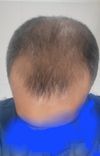
community Shave it or treat it need advise on mpb genetic
A 31-year-old experiencing rapid hair loss is considering whether to shave their head or use treatments. They were prescribed B12, topical finasteride 0.1%, and minoxidil 10% but are unsure about the correct dosage and potential side effects.
community Antihistamines interaction with Finasteride.
Stopping antihistamines may resolve neurological side effects when using finasteride. Users experienced muscle aches, headaches, and lethargy when combining the two.
community Ways to combat insomnia from fin? (I’m not looking to quit!)
The user is experiencing insomnia after starting finasteride and is seeking solutions without quitting the medication. Suggestions include trying ZMA, maintaining consistent sleep habits, and considering other sleep aids like Nytol or melatonin.
community My Vitamin D (25-0H) levels came <4.20 ng/ml (<20 implies deficiency)and B12 came 184 pg/ml (Should be between 211-911). I have a lot of dandruff. The derm has prescribed me with 60k vitamin d tablet once a week and multivitamins for a month. Vitamin deficiency implies TE no? or is it MPB?
The conversation discusses hair loss treatments, focusing on vitamin D and B12 deficiencies, and mentions using finasteride. It also suggests getting a biopsy to differentiate between MPB and other conditions.