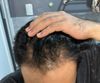
The user expresses positivity about managing hair loss and celebrates good hair days. They mention using finasteride (Propecia) as part of their treatment.
User taking 1mg finasteride daily for 2 years, wants to block more scalp DHT. Seeks reference for additional topical DHT blockers like alfatradiol and fluridil.
Finasteride reduces DHT production, so blood tests can track hormonal changes. Pyrilutamide blocks androgen receptors without altering hormone levels, making blood tests less useful for detecting its effects.
Shedding after a break from minoxidil or RU58841 means hair falls out or becomes thinner and weaker quickly before falling. The discussion clarifies the nature of hair shedding with these treatments.
A 22-year-old male switched from finasteride to dutasteride 90 days ago, noticing decreased shedding initially but recently experiencing increased shedding of healthy, thick hair. He uses minoxidil with tretinoin and washes his hair daily, hoping the shedding will stabilize in a month or two.
The user shared their hair loss journey, using finasteride, dutasteride, and minoxidil, noting progress and some side effects like minor gynecomastia. They plan to switch fully to dutasteride while continuing minoxidil, and they experienced shedding primarily from finasteride.
The conversation is about a user trying a new hair loss treatment, Ruxolitinib, alongside their existing regimen of finasteride, minoxidil, ketoconazole shampoo, and microneedling. They plan to apply Ruxolitinib to their temples daily for 1-2 months.
The user is experiencing heavy hair shedding and a receding frontal area despite using finasteride and minoxidil. They are considering switching to dutasteride for better results.
RU58841 is being considered for hair maintenance by someone who can't tolerate finasteride. Alternatives like topical finasteride, dutasteride, and KX826 are also suggested.
Dutasteride works for most men, but some may experience worsening due to reasons like shedding, paranoia, non-androgenic alopecia, genetic variations, or smoking. Smoking can increase scalp DHT levels and damage follicles.
Dutasteride and finasteride are discussed for hair loss treatment, with users sharing experiences and debating their effectiveness and side effects. Celebrities are noted as common users, and there is debate over which treatment is superior.
Pyrilutamide, a new drug being tested to combat hair loss that has been found to perform comparably or better than finasteride and dutasteride in the initial 6 months of treatment with minimal reported side effects.
The conversation discusses the storage and use of pyrilutamide for hair loss, where one user advises against keeping it in the freezer as it may crystallize the active compounds.
Dutasteride effectively reduces DHT levels and significantly increases testosterone levels. Users are cautious about adding oral minoxidil due to potential heart issues and are considering dosage adjustments with medical guidance.
A user's experience with Dutasteride causing rapid hair loss and temple recession over 3 weeks, with other users offering advice about the potential causes of this.
Topical dutasteride may not significantly reduce hair loss and could potentially increase testosterone, leading to further hair loss. Users report side effects like mood changes, sleep issues, and severe side effects, with no significant progress in hair regrowth.
The Shiseido/Replicel RCH-01 trial results were disappointing and ineffective. Users expressed skepticism and frustration, suggesting alternatives like Tsuji or simply accepting baldness.
The conversation discusses the effectiveness of anti-androgens for hair loss, with a preference for topical treatments like RU58841 over oral options due to better scalp concentration and fewer side effects. Topical finasteride at 0.1% may provide some results, especially when combined with a topical androgen receptor antagonist like RU58841.
The conversation discusses dissatisfaction with current hair loss treatments that mainly focus on DHT blockers like finasteride and dutasteride. Alternative treatments mentioned include RU58841, pyrilutamide, minoxidil, rosemary oil, and future possibilities like hair cloning.
Hair loss progress in 4.5 months using dutasteride 3x/week, topical minoxidil 1-2x daily, and microneedling 2x/month. Users praised the significant improvement.
The conversation is about testing the effectiveness of RU58841 for hair loss, with the user planning to increase their dose to 30 mg per day along with 20 mg of Minoxidil. The test results showed approximately 70 mg/ml, which the user considers a good result.
Using PRP or Exosome treatments alongside Finasteride/Dutasteride and Minoxidil may not significantly enhance results. Dutasteride and oral Minoxidil are considered more effective options.
A user found that scalp itch might be linked to inflammation rather than DHT alone and noticed hair improvement with certain cancer drugs. They also discovered that black seed oil relieved their scalp itch and are experimenting with a mix of essential oils for dry scalp, questioning if oils affect minoxidil absorption.
The conversation discusses hair regrowth using minoxidil and dutasteride, with users sharing their experiences and results. Some users report improvements, while others mention side effects like low libido and erectile dysfunction.
Actifolic's RU58841 and Pyri products are perceived as ineffective, with users reporting no side effects or improvements, suggesting possible quality issues. Users recommend alternative sources and emphasize the importance of timing when using RU58841 with Minoxidil.
Pyrilutimide and CB-03-01, two treatments for hair loss, have similar clinical trial results despite different binding affinities to androgen receptors. Factors other than binding affinity, like the time a drug stays bound to the receptor, may influence their effectiveness.
Switching from daily 0.5mg dutasteride to three times a week may reduce side effects without worsening hair loss. Bloodwork showed no abnormalities, supporting the change.
The user experienced severe side effects from finasteride, including depression and anxiety, but recovered with DHT injections, sleep medication, and Ayurvedic treatments. They now maintain hair health with minoxidil, PRP therapy, and a good diet, advising against self-diagnosis and recommending consulting a doctor.
Topical dutasteride residue on pillows may cause ear redness and irritation. The user is concerned about a contact reaction from the treatment transferring to the pillow.