The conversation discusses hair loss treatments, with a focus on PRP, which is viewed skeptically. Minoxidil and finasteride are recommended as more effective options.
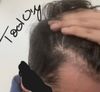
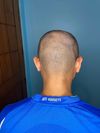
The user shared hair regrowth results after 6 months using finasteride, minoxidil, ketoconazole shampoo, and dermastamp, considering adding dutasteride or a hair transplant. They previously had a hair transplant and did not take medications initially, leading to further hair loss.
A transgender woman experienced significant hair regrowth after 18 months of hormone replacement therapy (HRT) with estrogen and bicalutamide. The discussion notes HRT's effectiveness for hair regrowth but warns against its use for cisgender men due to feminizing effects.
An 18-year-old male is experiencing hair loss and is using topical minoxidil and oral finasteride. He is concerned about continued shedding, mild sexual side effects, and whether to adjust his finasteride dosage.
The user started using finasteride daily and ketoconazole occasionally, noticing reduced hair fall but no regrowth. Others shared mixed experiences with finasteride, some considering switching to dutasteride or adding minoxidil.
A user stopped using 1mg finasteride and 5% minoxidil due to cost and fear of side effects but experienced increased hair loss after discontinuation. They restarted the treatments, hoping to regain lost hair, and were advised that while finasteride is better for maintenance and minoxidil for regrowth, results vary and green tea is unlikely to affect hair loss.
A user shared their positive experience with hair regrowth using a topical treatment containing 0.3% finasteride, 7% minoxidil, ketoconazole, and biotin. They noticed results after about three months, experienced some initial shedding, and had minor headaches as a side effect.
Celonius discusses hair loss and plans for a FUE Hair Transplant, but worries about how it will look when shaved in the future. Derhab21 suggests going for the transplant and mentions potential future treatments like Breezula and stem cell injections.
The user is experiencing hair loss despite using Dutasteride and plans to try RU58841, considering adding Oral Minoxidil. They express frustration with diffuse thinning and seek advice on managing hair loss.
Many younger men are experiencing hair loss due to genetics, diet, stress, and lifestyle changes. Treatments like finasteride and minoxidil are mentioned, with some users noting improvements.
The conclusion of the conversation is that some users have had positive results with finasteride for hair loss, while others have not. The effectiveness of finasteride varies from person to person.
In this conversation, 4990 discussed various treatments for hair loss, including oral minoxidil, PRP, transplan, Jak inhibitors, Dutasteride, Finasteride, Olumiant, Ketoconazole, RU58841, microneedling, baricitinib, and CCCA. They recommended scalp biopsies in unclear cases of DUPA, twice weekly to twice daily shampooing for topical minoxidil users, and two sessions spaced one month apart with follow up at month three to determine the effectiveness of PRP treatment.
Matthew McConaughey's hair restoration methods are speculated to involve hair systems, transplants, and treatments like finasteride and minoxidil. Many believe he falsely credits his hair regrowth to Regenix, while others suggest he uses a combination of treatments for a natural look.
A user shared their experience 7.5 months after receiving 3950 hair grafts at Sule Hair Transplant in Istanbul, Turkey, with positive feedback on the transformation. The discussion included costs, recovery time, and the use of medications like finasteride and minoxidil post-transplant.
A 21-year-old is experiencing aggressive hair loss despite using minoxidil, dutasteride, and GFC, and is seeking advice on whether to switch treatments or consider a hair transplant. Suggestions include continuing current treatments, checking for underlying health issues, and considering alternatives like RU58841 or microneedling.
Ketoconazole shampoo helps reduce hair shedding and improve thickness for some, but can cause dryness or irritation. Its effectiveness compared to finasteride or minoxidil varies among users.
Topical minoxidil and oral finasteride can effectively improve hair growth and slow hair loss, though results may vary. Consistency is important for achieving significant improvement.
A user has been treating hair loss with finasteride for two years without success and is experiencing an itchy scalp with seborrhea. Despite low DHT levels, they are still losing hair, suggesting that DHT might not be the main cause of their hair loss, and they are considering other treatments or causes.
A user's progress with treating hair loss over 3.5 months, which involves taking finasteride MWF, minoxidil daily and microneedling once a week. There was positive feedback from other users regarding the results.
The user has been using topical finasteride 0.1% for almost 7 months but is experiencing worsening hair loss and is considering adding minoxidil 5% to their regimen. They are hesitant about oral finasteride and are exploring options for topical treatments, including minoxidil and possibly dutasteride.
Redensyl, a hair loss treatment that has been claimed to be 80% more effective than minoxidil, but users have not experienced any results from using it.
The user switched from Finasteride to Dutasteride due to continued hair loss, using Dutasteride twice a week while continuing Finasteride on other days, and also using Minoxidil and Ketoconazole shampoo. They are considering increasing Dutasteride dosage and are uncertain about continuing Minoxidil due to lack of visible results.
A 19-year-old is distressed about his 17-year-old autistic brother's hair loss, projecting his own insecurities despite being on finasteride and dutasteride. Replies suggest the brother might not care about balding, and the poster should address his own issues.
19 year old male's three month results from using a combination of Minoxidil, finasteride and dermarolling for hair loss. It was suggested that adding Minoxidil could help with further progress.
Switching from oral to topical dutasteride may reduce side effects like anxiety and depression while maintaining hair health. Combining it with minoxidil, Nizoral, and dermarolling could be effective for hair preservation.
Finasteride can lead to hair regrowth beyond the first year, with some users experiencing improvements for several years, though results vary. Most regrowth occurs in the first 1-2 years, but some continue to see gradual improvements over time.
The user switched from oral finasteride to oral dutasteride and increased minoxidil dosage, seeing significant hair improvement over a year. They plan to wait until age 35 for a hair transplant, aiming for optimal results.
George Clooney likely had a hair transplant, as many Hollywood actors do to maintain their appearance. Treatments like finasteride and hair transplants are common among celebrities to combat hair loss.
The user is considering hair restoration options after experiencing side effects from Minoxidil and avoiding Finasteride due to concerns about side effects. They are contemplating trying Finasteride or Dutasteride and possibly undergoing a hair transplant.
Dutasteride and finasteride are not effectively stopping hair loss for some users, despite long-term use. Some are considering or using RU58841, pyrilutamide, and other treatments like microneedling, while also managing seborrheic dermatitis with diet and topical solutions.