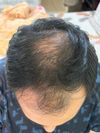
OP believes RU58841 affected their thyroid, causing hypothyroidism and impacting minoxidil's effectiveness. They plan to start thyroid medication to improve hair regrowth.
The user has not seen results from various hair loss treatments including finasteride, dutasteride, minoxidil, and others over several years and is considering adding RU58841 and starting hormone replacement therapy. They are also experiencing anxiety and contemplating moving to a more accepting environment for their nonbinary identity.
The conversation discusses the use of RU58841 for hair loss, focusing on its side effects, standardization issues, and user experiences. The user also inquires about the use of other treatments like minoxidil, finasteride, and microneedling.
The user has been using finasteride and minoxidil, then switched to dutasteride and minoxidil for six months without significant results, noticing thinning after increasing creatine dosage. They plan to consult a dermatologist to explore potential causes beyond androgenetic alopecia.
The user experienced hair loss after chikungunya and started PRF (platelet-rich fibrin) injections with injectable Dutasteride, noticing new hair growth. They are hopeful for continued improvement.
Facing fears and making a doctor appointment to get more info on individual hair loss cases, as well as the discussion of potential treatments such as Finasteride/Dutasteride, Minoxidil, or RU58841.
A user shared their experience with high cholesterol, glucose, and potential metabolic syndrome after using Finasteride and Dutasteride for hair loss. They plan to improve their health with diet and exercise before considering medication.
Dutasteride works for most men, but some may experience worsening due to reasons like shedding, paranoia, non-androgenic alopecia, genetic variations, or smoking. Smoking can increase scalp DHT levels and damage follicles.
The conversation discusses using topical finasteride with propylene glycol, which causes scalp dryness or dandruff. The user also uses Nizoral, Nioxin, and DHT oil, and considers using a scalp conditioner to alleviate dryness.
The user reports taking high dosage oral minoxidil (10mg/day) for hair growth, which causes facial bloating. They tried using the diuretic furosemide to reduce bloating, but it was ineffective.
A 31-year-old Indian male has been using oral minoxidil and finasteride for hair loss without visible improvement. He is considering taking DUT tablets against his doctor's advice due to potential side effects and is contemplating buzzing his hair instead.
The conversation discusses the effects of using Tongkat ali and dioscorea to raise DHT levels, leading to increased body hair growth and an itchy scalp, without causing hair loss. The discussion also debates the role of DHT in male characteristics and its impact on sexual function, with differing opinions on its importance and effects.
A user experienced a loss of libido and anhedonia after severe dietary restriction while on Finasteride and Minoxidil for hair loss. They are considering reducing the Finasteride dose or taking a break to see if symptoms improve.
A 34-year-old male started using 5% minoxidil foam for hair loss and experienced shedding, which is a normal part of the process. He is considering adding finasteride to his regimen but is concerned about potential side effects, particularly sexual performance issues.
The user is considering stopping topical minoxidil due to health risks and inconvenience, while continuing oral minoxidil, dutasteride, and vitamins. Others suggest that oral minoxidil carries more risk, and results from treatments may take 3-6 months to appear.
User discusses Latanoprost as potential hair loss treatment and considers combining it with oral minoxidil for better results. Seeking opinions on effectiveness and expense.
Hair loss treatment includes Minoxidil, Derma Rolling, PRP, Saw Palmetto, Vitamin D, and Pyri. After one month, Pyri caused penis numbness, tiredness, and reduced hair fall, but user stopped due to side effects.
The conversation discusses interest in participating in PP405 trials for hair loss treatment, with users expressing uncertainty about eligibility due to location. Participants are eager for updates and willing to pay for shipping if trials are limited to America.
The user is experiencing diffuse hair thinning despite using finasteride and oral minoxidil, with no hairline recession or bald spots. Suggestions include checking for telogen effluvium, considering a JAK inhibitor for potential autoimmune issues, and conducting further tests to rule out other causes.
The conversation discusses the difficulty in distinguishing between side effects of finasteride (like brain fog and loss of libido) and depression caused by hair loss. Users share experiences of severe depression while on finasteride, leading some to stop the treatment despite anxiety over hair loss.
The user is experiencing severe hair loss despite using treatments like DUT, oral minoxidil, ketoconazole, RU58841, and vitamins. They plan to buzz their hair due to the ongoing hair fall and its impact on their mental health and self-esteem.
The conversation discusses the effectiveness of oral minoxidil versus topical minoxidil with tretinoin for hair regrowth, with some users suggesting oral minoxidil might be more effective for non-responders to topical treatments. Concerns about side effects and the role of enzymes in activating minoxidil are also mentioned.
The user is experiencing increased hair shedding after 7 months of using a topical solution and is considering switching to oral treatment. They are concerned about thinning hair around the corners and temples.
A 28-year-old male is experiencing hair loss, itching, soreness, and numbness on the scalp, with symptoms including dry, brittle hair and scalp irritation. Treatments tried include Nizoral, salt water, various oils, and antihistamines, with limited success; a chemist suggested a possible fungal infection, while a doctor suspected male pattern baldness.
The user has been using dutasteride, lymecycline, betamethasone, and minoxidil for hair loss but struggles with eczema and dry skin. They feel hopeless as no treatments or moisturizers have helped, and they are concerned about their appearance due to their soft facial features.
The user experienced anxiety, dizziness, and fatigue after starting finasteride and is seeking advice on whether to continue, adjust the dose, or consult a doctor. They stopped taking finasteride and are unsure if it caused their symptoms.
Oral ketoconazole is discussed as a potential hair loss treatment, but it poses significant health risks like liver damage and adrenal insufficiency. Users suggest safer alternatives like topical anti-androgens or spironolactone, emphasizing the importance of consulting a specialist.
The user is seeking alternatives to propylene glycol and glycerin for mixing with RU58841 due to allergies and greasiness. Suggestions include reducing glycerin and considering stemoxydine as a solvent.
The user is exploring hair loss treatments in China, currently using finasteride and minoxidil, and is concerned about seborrheic dermatitis. Clinics are recommending selenium sulfide, doxycycline, and mesotherapy ampoules like PT88/PT66 or SP88/SP66, but the user is unsure about their effectiveness.
The conversation discusses changes in scalp texture and appearance in areas of hair loss, with concerns about the suitability of these areas for hair transplants. Users mention issues like fibrosis, inflammation, and thinner skin, advising caution and consultation with clinics before proceeding with transplants.