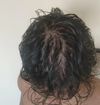
Stefano, a 20-year-old male, experienced significant hairline shedding and thinning after using topical Minoxidil, along with rosemary/jojoba oil, biotin tablets, caffeine shampoo, and a dermaroller. He is uncertain whether to continue the treatment in hopes of regrowth or stop and potentially return to his original hair condition, while a reply suggests using finasteride or dutasteride to address the underlying cause of hair loss.
Aminexil/Kopexil may help reduce hair loss by addressing perifollicular fibrosis in androgenetic alopecia, but it lacks the extensive clinical backing of finasteride and minoxidil. Some users find it effective, but availability and cost are issues, especially in the US where it's not FDA-approved.
The conversation discusses experiences with hair loss treatments containing RootBioTec and Anagain. Users share their results and compare these treatments to Minoxidil, finasteride, and RU58841.
The user is considering trying finasteride again for hair loss despite past side effects like tender nipples and concerns about mental health impacts. They are advised to consult a doctor and consider topical or low-dose finasteride.
DHT causes hair loss by driving cells into senescence, and a polyphenol in black chokeberry may reverse this. A product using this theory is being considered for use alongside finasteride, minoxidil, and microneedling.
OP shared 9-month hair regrowth progress using 1mg finasteride, 5% minoxidil, 2% ketoconazole, and a dermapen. Users discussed side effects, application methods, and additional treatment suggestions.
Red light therapy is scientifically proven to promote hair growth by increasing strand density and thickness, and it's an additional treatment to DHT blockers like minoxidil and finasteride. Some users are skeptical about the cost and effectiveness of commercial devices, despite studies showing benefits.
The conversation is about making a topical finasteride solution by dissolving crushed finasteride tablets in an alcohol-based hair treatment. Ingredients of the hair treatment include alcohol, water, and various plant extracts and preservatives.
The user is using finasteride, RU58841, and various natural supplements and treatments like seamoss, fish oil, and black rice water spray to combat hair loss, avoiding minoxidil due to dependency concerns. They report thicker hair and regained confidence, while discussing the potential risks and benefits of RU58841 with others.
The conversation discusses the potential of a new hair loss treatment, GT20029, which targets androgen receptors in the scalp and is in phase 1 trials in China. Users express hope that this treatment will be more effective than current options like Minoxidil and Finasteride.
User discusses two medications for stopping hair loss: Fin (finasteride) and Dut (dutasteride). Mixed experiences and side effects are shared, with some users seeing positive results.
Licorice is not recommended for hair loss as it inhibits hair growth and is a non-selective testosterone inhibitor. Alternatives like spironolactone are suggested for those considering hormonal treatments for hair loss.
A permanent hair loss solution could involve reprogramming hair follicles to resist DHT using mRNA and siRNA. However, high costs, safety concerns, and the pharmaceutical industry's preference for ongoing treatments over one-time cures are major obstacles, with finasteride and minoxidil remaining standard treatments.
DHT is not the only cause of male pattern hair loss; genetic sensitivity, inflammation, and fibrosis also contribute. GHK-Cu, a copper peptide, is being explored as an alternative treatment to finasteride and minoxidil, showing potential in improving follicle health.
Pumpkin seed oil is considered a weak DHT blocker compared to finasteride and dutasteride, with some users reporting side effects like mood changes and reduced libido. Despite some anecdotal benefits for urinary issues, it is not effective for hair loss, and finasteride is preferred by some users for its lack of side effects.
The conversation discusses making DIY topical finasteride using a hair tonic with various ingredients and suggests alternatives like Jatamansi powder, Sandalore, and products like Bare Anatomy Expert Advanced Hair Growth Serum and RevivHair Max Hair Stimulating Serum. It also mentions using topical dutasteride and minoxidil for hair growth.
Tapering off minoxidil from 5% to 2% and gradually reducing frequency may help minimize hair loss, but some loss might be unavoidable. The discussion focuses on managing hair loss when discontinuing minoxidil.
A 23-year-old is experiencing hair that is thick at the ends but thin at the roots despite using minoxidil and finasteride for 10 months. They are concerned about whether this is normal or a sign of miniaturization and seek advice on reversing or improving the condition.
A 24-year-old experiencing severe hair thinning has been using minoxidil for 2 years but is still shedding hair. A doctor recommended plasma treatment over a DHT blocker for better and healthier results.
Hair growth relies on mechanical forces, not just chemicals, with tissue acting like a motor. Minoxidil and finasteride help, but maintaining tissue elasticity and addressing mechanical issues are essential.
The conversation discusses alternatives to minoxidil for beard growth, focusing on a product called Neofollics Beard Growth Serum, which claims to be effective without using minoxidil. Concerns are raised about its ingredients and effectiveness, especially considering pet safety.
Cialis is used to manage erectile dysfunction caused by finasteride and dutasteride, with mixed results. Some users report improvement, while others consider stopping the medication due to side effects.
A 23-year-old shared his successful hair regrowth journey, highlighting the importance of correcting vitamin deficiencies and using oral minoxidil and finasteride, later switching to topical minoxidil. He emphasized the effectiveness of addressing basic health issues and staying consistent with treatments.
Hair loss is linked to cellular physiology and the IGF-1 to TGF-B1 ratio, not just androgen sensitivity. The theory lacks evidence, while finasteride and minoxidil are effective treatments.
A 22-year-old is using minoxidil for hair loss but is hesitant to start finasteride due to mixed advice and fear of side effects. They seek guidance on whether to begin finasteride despite concerns about potential permanent side effects.