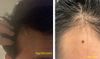
The conversation discusses a claim that peppermint oil is more effective than minoxidil for hair loss, with one user mentioning using a mix of peppermint and rosemary oils as a treatment. Some users are skeptical, while others show interest in the potential of peppermint oil.
A 19-year-old noticed hair thinning and mild receding hairline, opting for a treatment regime excluding finasteride and minoxidil. The regime includes derma rolling, rosemary and coconut oil, a massage comb, a DHT-blocker shampoo, and vitamins B12 and Biotin.
Minoxidil can cause significant hair shedding, especially for those who don't need it, and should be used cautiously under medical advice. Natural remedies like onion, rosemaryoil, aloe vera, coconut oil, and a healthy lifestyle can help recover from minoxidil-related hair loss.
A 21-year-old male has been using finasteride and minoxidil for four months with little progress in hair regrowth, despite adding microneedling and rosemaryoil to his routine. Users suggest patience, maintaining the current treatment, and possibly simplifying the routine by dropping rosemary and microneedling.
The user shared their one-year hair regrowth progress using topical Minoxidil, oral Finasteride, rosemaryoil, and a silicone head massager, along with a healthy lifestyle and supplements. They are happy with the results but acknowledge some hair loss is still visible, especially when wet.
The user is using a combination of oral Dutasteride and Minoxidil, and a topical formula with Finasteride, Minoxidil, and Hydrocortisone, along with rosemaryoil, coconut oil, ginseng, and a derma roller. They are also using LLLT therapy and are questioning the timing of the laser cap session in relation to the topical application.
A user discusses their hair loss and current natural treatments, including derma stamp, rosemaryoil, wild growth hair oil, biotin, omega 3, and a small DHT blocker. Another user suggests the hair loss is androgenic alopecia and recommends either taking finasteride or accepting the hair loss.
The user plans to use an electric microneedling pen for hair loss, set to penetrate 0.6mm to 0.8mm, and apply rosemaryoil in jojoba oil post-treatment. They also intend to use 5% Minoxidil daily, followed by a blend of rosemary, peppermint, and jojoba oils.
The user is cautiously optimistic about their hair regrowth after 6 months of using minoxidil, finasteride, tazarotene, microneedling, ketoconazole shampoo, and rosemaryoil. They report healthier hair and new growth, with side effects from minoxidil subsiding over time.
The conversation discusses dissatisfaction with current hair loss treatments that mainly focus on DHT blockers like finasteride and dutasteride. Alternative treatments mentioned include RU58841, pyrilutamide, minoxidil, rosemaryoil, and future possibilities like hair cloning.
The user has been using minoxidil, finasteride, ketoconazole shampoo, biotin, and microneedling for hair regrowth, noticing some improvement with baby hairs and a fuller front hairline. They are considering adding rosemaryoil and a dermastamp to enhance results, particularly around the thinning temple areas.
The conversation discusses hair regrowth using Nizoral weekly and 1000mg of pumpkin seed oil daily. Users also mention using finasteride, rosemaryoil, and nutritional yeast for hair loss treatment.
A 20-year-old is experiencing aggressive hair loss and is using oral finasteride, topical minoxidil, tretinoin, rosemaryoil, and dermarolling in an attempt to manage it. They are concerned about their appearance and future hair loss, seeking advice on additional treatments.
Rosemaryoil is being used as an addition to minoxidil and finasteride for hair health, with mixed opinions on its effectiveness. Some users report positive results, while others see no benefit or experience adverse effects.
The conversation discusses using rosemaryoil, finasteride, and oral minoxidil for hair loss. Rosemaryoil's effectiveness is debated, but it may improve scalp blood flow and hair appearance.
User is using rosemaryoil and castor oil for hair loss, alongside 1mg finasteride for the past 7 months. They find castor oil difficult to apply due to its thick texture and are seeking advice on whether to dilute it.
The conversation criticizes the negative attitude towards those concerned about side effects from hair loss treatments like finasteride and minoxidil, or who prefer natural remedies. Specific treatments discussed include finasteride, minoxidil, rosemaryoil, and RU58841, with an agreement that finasteride and minoxidil are proven effective.
The conversation is about alternatives to minoxidil for hair growth, as the original poster experienced chest tightness from using it. They are currently using finasteride and considering options like rosemaryoil, pumpkin seed oil, and other topical treatments, but acknowledge that minoxidil and finasteride are the most scientifically supported treatments.
The user uses finasteride, ketoconazole shampoo, and derma stamping for hair loss. They consider rosemary and castor oil as alternatives to minoxidil due to fewer side effects.
A user experimented with applying pure rosemaryoil to a single hair strand twice daily, observing increased thickness and pigmentation, but questioned if the oil or the application method caused the change. Some users noted rosemaryoil might be as effective as 2% minoxidil for hair growth, though others warned about potential harm from using undiluted oil.
User shared hair growth progress since January using treatments like minoxidil, nizoral shampoo, rosemaryoil, biotin oil, and derma roller. Others suggested solutions for minoxidil side effects and recommended adding a multivitamin.
A user asked if adding rosemaryoil to a herbal hair lotion would be beneficial for preventing future hair loss and maintaining hair health. The lotion already contains various ingredients like seed extracts, proteins, and vitamins.
The conversation discusses a natural approach to hair loss treatment using rosemary, peppermint oil, derma roller, pumpkin seed oil, and saw palmetto. Commenters note a slight or minor difference in hair growth.
A user reported hairline regrowth after two weeks on a treatment including finasteride, peppermint and rosemary oils, emu oil, magnesium oil spray, apple cider vinegar, and dermarolling, while avoiding shampoos and conditioners. They believe DHT contributes to hair loss but also suggest follicle fibrosis is an issue.
Saw palmetto, derma pen, rosemaryoil, scalp massages, pumpkin seed oil, green tea extract, and B complex are discussed as natural treatments for hair loss, with mixed results reported. Some users consider adding finasteride for more effective results.
The user has been using finasteride, nizoral, microneedling, and recently added 3% peppermint oil to their hair loss treatment, experiencing regrowth similar to minoxidil. They suggest peppermint oil as a potentially effective, low-cost alternative or addition to minoxidil, with the added benefit of a pleasant smell and ease of use.
Hair loss treatment with Fin/Min/Niz/Microneedling showed great results in 100 days. User suggests adding topical rosemaryoil and oral castor oil for extra benefits.
The conversation discusses using oils like pumpkin seed, rosemary, peppermint, and grape seed oil for hair regrowth, claiming they can be as effective as finasteride or minoxidil without side effects. Some users remain skeptical and prefer proven treatments like minoxidil.
A user is considering hair loss treatments like caffeine shampoo, rosemaryoil, pumpkin seed supplements, and microneedling, but is unsure if these are effective compared to finasteride. Another user suggests trying finasteride or dutasteride, sharing regret for not starting earlier.