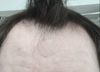
The conversation discusses hair loss treatment over four months using minoxidil, dermarolling, and intermittent finasteride. The user switched from prescription minoxidil to a cheaper alternative, Kirkland, with a similar concentration.
The conversation is about influencers sharing their hair growth regime, specifically mentioning the use of finasteride (Fin) and minoxidil (Min). Some users express skepticism about the effectiveness of these treatments and discuss other factors that could contribute to hair loss.
The conclusion of the conversation is that some users have seen positive results with the use of finasteride and minoxidil for hair loss, while others have not. It is mentioned that consistent use of these treatments is necessary to maintain results.
A user developed AI software to simulate hair transplants on photos, helping people visualize potential results. The tool offers photo-realistic renderings but advises caution regarding exact outcomes due to various factors.
GT20029 and CosmeRNA are both potential hair loss treatments; GT20029 breaks down the androgen receptor, while CosmeRNA prevents its production. Continuous use is needed, but less frequently than current treatments like Minoxidil and Finasteride.
Finasteride may affect prostate sensation and size, with some users reporting easier urination. Concerns exist about prostate shrinkage even at lower doses.
Hair loss discussion includes treatments like Minoxidil, Finasteride, and RU58841. User asks about Redensyl's effectiveness, questioning if it's another ineffective remedy.
The user experienced hairline improvement using microneedling once a month with a 12-pin set at 1.5-2.0mm and taking Tru Niagen, alongside a heavily modified diet. They attribute the slow hairline improvement to environmental factors, particularly diet, rather than solely genetic factors.
The conversation is about creating a natural hair loss topical using ingredients like cetirizine, Zinc Sulphate Heptahydrate, Safflower Extract, Ricinoleic Acid, and others. The user is seeking input and collaboration on this topical formula.
The user has been using Minoxidil for 4 years and recently added a derma pen and Trinov to their regimen, but results are inconclusive after 3 months. Some users suggest Trinov is ineffective and recommend alternatives like Clascoterone (Breezula) for better results.
The conversation discusses using peptides BPC-157 and TB-500, combined with microneedling, to potentially enhance hair regrowth. The user plans to try BPC-157 due to its lower cost and reports of hair growth, despite limited human trials and concerns about side effects from other treatments like minoxidil and finasteride.
The conversation discusses concerns about brain fog potentially caused by finasteride use, with some users sharing personal experiences of cognitive issues and others suggesting it might be paranoia or unrelated. The original poster decides to stop using finasteride to see if their cognitive function improves.
The user is experiencing chronic folliculitis with scalp sores and is concerned about a receding hairline. They have tried various treatments including antibiotics, Nizoral 2% shampoo, and lifestyle changes, but are seeking further advice.
Hair cell therapy and follicle cloning are still in experimental stages, with treatments like hair multiplication and regenerative hair therapy being marketed but not yet proven to create unlimited new follicles. There is skepticism about the effectiveness and legitimacy of these treatments, with some considering them scams.
Minoxidil can cause dry, stiff hair, making styling difficult. Users suggest applying it hours before styling, using light styling products, and not washing hair daily to manage dryness.
A 21-year-old male experienced significant hair regrowth and thickening after eight months of using 2.5 mg oral minoxidil and 1 mg oral finasteride, along with keto shampoo and micro stamping. He reported no side effects and noted that improvements were most noticeable in months 7-8, particularly at the hairline and corners.
A user shared their 1 year and 5 months update on using finasteride and minoxidil for hair loss, noting improved hair density but a still receding hairline. They mentioned being inconsistent with minoxidil initially and experiencing more hair shedding after starting it.
The conversation discusses hair loss treatments, mentioning minoxidil, finasteride, RU58841, VDPHL, GT20029, and follicle cloning as potential solutions. It also reveals that the discussion about PP405 was an April Fool's joke.
Oral minoxidil can cause side effects like heart issues, increased body hair, and facial puffiness, but these are often dose-dependent and temporary. Users report varying experiences, with some combining it with finasteride or RU58841 for better results, while others experience minimal or no side effects.
The conversation discusses the safety and use of ketoconazole shampoo for hair loss, with mentions of zinc pyrithione and selenium sulfide. Users debate the safety of these ingredients, particularly zinc pyrithione, and share opinions on regulatory differences between Europe and the US.
The user is frustrated with hair loss despite using minoxidil, topical finasteride, and topical dutasteride, and is considering other options like oral treatments, SMP, or hair systems. They feel demoralized and are struggling with self-esteem and social interactions due to their thinning hair.
A 24-year-old experienced improved hair growth using 5% minoxidil, 1 mg finasteride, and dermastamping, but faced side effects like low libido and mild erectile dysfunction. They plan to reduce finasteride dosage after full results and may consider a hair transplant if thinning recurs.
A 24-year-old experienced hair regrowth with finasteride, minoxidil, and ketoconazole but saw a significant shed after four years despite continued treatment and healthy habits. They stopped minoxidil after shaving their head, noticed dandruff disappeared, and are seeking advice for potential regrowth.
A 22-year-old has been using minoxidil and finasteride for hair loss with initial success, but later experienced increased shedding and no regrowth. They recently added vitamin D3 supplements and microneedling, which reduced shedding, but are seeking advice on regrowth, with suggestions to try tretinoin with minoxidil and consider dutasteride.
A user is deciding between starting oral finasteride with topical minoxidil or using topical finasteride and minoxidil due to concerns about side effects. They plan to use derma rolling weekly to enhance treatment effectiveness.
Clascoterone 5% solution is not yet commercially available, with only the 1% solution currently sold for acne. Users discuss the potential of Clascoterone as a hair loss treatment, comparing it to other anti-androgens like RU58841 and Eucapil.
A user ordered RU58841 from a Chinese supplier, found it to be less than 99% pure, and plans to try a different seller next time. Concerns were raised about impurities, but the user believes they are likely inactive fillers rather than harmful substances.
The user is experiencing noticeable hair improvement after 4.5 months of using a treatment regimen including minoxidil, finasteride, biotin, Nioxin shampoo, microneedling, topical NANoxidil, and copper peptides. Feedback from others is positive, encouraging the user to continue the treatment for at least a year or more.