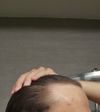
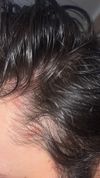
The user noticed increased hair thinning and scalpredness on one side of their temple. They are seeking advice on what this could be and how to address it.
The user is experiencing scalp irritation and hair thinning, possibly due to stress, with red patches on the face and dry skin. They are considering seeing a dermatologist and have used tea tree and rosemary oil.
The user experienced redness and itching from using 5% minoxidil and is considering trying a lower dose or alternative treatments like 2% minoxidil, mesotherapy, PRP, or rosemary oil. They are seeking advice on managing side effects and exploring other options for hair stimulation.
The conversation is about a user experiencing a tingling sensation and redness on their scalp, possibly related to hair loss treatments. Suggestions include using Nizoral shampoo and consulting a dermatologist, while the user mentions using oral finasteride.
Topical minoxidil with tretinoin is causing redness, stinging, and flaking on the scalp. Reducing application frequency and using anti-dandruff shampoo may help alleviate symptoms over time.
Woman with AGA uses microneedling, minoxidil, spiro, and laser for hair loss. Experiences redness and tenderness for three days after microneedling with Dermapen M8, asks if it's normal and the correct speed setting.
A 25-year-old has been using finasteride since around age 22 and is considering starting oral minoxidil due to scalp issues. They are concerned about the effectiveness of starting minoxidil at their current age and the impact of scalpredness on hair growth. Another person suggests that starting minoxidil at any time is fine but warns about the commitment required, as stopping it will result in losing regrown hair, unlike finasteride which slows hair loss progression.
Start with 0.025% tretinoin to enhance minoxidil effectiveness, gradually increasing to 0.05% to avoid scalp irritation. Users experienced redness, inflammation, and dandruff when introducing tretinoin too quickly.
The user is experiencing potential hair regrowth after 4 months of using a minoxidil and finasteride topical spray combined with microneedling 1-2 times a week. They notice some scalpredness and irritation but are unsure if the increased hair density is due to regrowth or longer hair.
Lichen Planopilaris (LPP), a form of permanent hair loss, which can be mistaken for seborrheic dermatitis and is characterized by scalp itching, burning, redness, and dandruff. Treatment options discussed include steroidal creams, finasteride, minoxidil, and RU58841.
The user started a hair care routine using 0.5mg finasteride daily, 2ml of 5% minoxidil, and 4.5mg of cetirizine topically to address hair loss. They plan to provide updates and are also interested in cetirizine's potential to reduce scalp itching and redness due to its anti-inflammatory properties.
The conversation is about using RF microneedling with ExoHealer, along with finasteride and minoxidil, to improve hair thickness and reduce shedding. The user reports noticeable improvements in scalp texture and oiliness, with plans to consider stem cell treatments in the future.
A user shared their positive experience with scalp micropigmentation (SMP) to cover hair thinning and a scar, choosing it over hair transplants due to its non-invasive nature and realistic results. They recommend SMP for those struggling with hair loss, emphasizing the importance of finding a trusted artist.
A user with scalp psoriasis and hair loss is hesitant to use topical minoxidil and finasteride due to concerns about psoriasis and potential side effects. They are considering alternatives like pumpkin seed and saw palmetto.
Tea tree oil shampoo resolved redness, itching, and increased hair thickness for the user, suggesting demodex mites as a possible cause. Nizoral was ineffective, but tea tree oil showed significant improvement over several months.
The user experienced scalp irritation from a Finasteride and Minoxidil spray and serum. They are considering switching to foam, oral treatments, or another provider.
OP experienced forehead redness after using minoxidil and finasteride PG-free solution for a week. Suggestions included trying ketoconazole shampoo or topical CBD with MCT oil to reduce irritation.
The user is experiencing scalp irritation from using RU58841 with a 70% ethanol and 30% propylene glycol vehicle and is considering switching to a less irritating vehicle, such as 30% ethanol with 70% squalane or emu oil. They are seeking feedback on the effectiveness and irritation levels of these alternative carriers.
Microneedling for hair regrowth, using a 1.0 dermastamp, is discussed with a focus on achieving slight redness without bleeding. Minoxidil is mentioned as an effective treatment when used after dermastamping.
Severe scalp itching and hair loss, possibly linked to seborrheic dermatitis, are discussed, with treatments like Dutasteride, Finasteride, and various shampoos mentioned. Some users find relief from itching with DHT blockers like Finasteride, while others suggest consulting multiple dermatologists for accurate diagnosis.
A user experienced burning, itching, and soreness on their scalp after a perm in 2021, despite using oral finasteride, oral minoxidil, and ketoconazole shampoo. They are seeking advice on whether to pursue further medical tests or consult a neurologist for nerve pain.
Nizoral shampoo effectively reduces scalp itchiness and dandruff, particularly for those using minoxidil, and may promote hair growth despite not being FDA-approved for this purpose. Users report significant improvements in scalp health and reduced itchiness with regular use.
The user experienced hair loss despite using Fin and Min for 12 years and switched to Dutasteride, RU58841, and Keto scalp serum, but shedding and itch persist. They are considering increasing Dutasteride to 2.5mg and questioning the necessity of a scalp biopsy, with mixed opinions on its usefulness.
Diet and specific shampoo improved scalp health and hair regrowth for someone with seborrheic dermatitis, while medications like Minoxidil and finasteride had no effect. A low-sugar, keto diet was key to their success.
A user solved their 15-year scalp inflammation and related hair loss using Selenium Sulfide shampoo (Selsun Blue), noticing improvement after the first use and resolution after three uses. Others found relief with Ketoconazole shampoo, which also helps with hair loss.
The user experiences scalp inflammation, especially when oily, despite using treatments like dutasteride, oral minoxidil, RU58841, and nizoral. They recently started cetirizine and are considering benzoyl peroxide wash for relief.
The user experiences an itchy scalp despite using finasteride and ketoconazole shampoo for hair loss. Suggestions include trying different shampoos, switching to dutasteride, and using topical treatments for inflammation.
The conversation is about a person experiencing significant hair loss in the donor area after a hair transplant, with others suggesting it might be shock loss. The person is taking oral minoxidil and dutasteride to help with the issue.
People are discussing how to apply tretinoin to the scalp for hair loss treatment and managing scalp dryness. Specific treatments mentioned include tretinoin, minoxidil (Min), finasteride (Fin), and RU58841 (RU).
Gut microbiome imbalances can cause scalp inflammation and affect hair follicles, potentially leading to hair loss. Treatments include finasteride, peptides like BPC-157, TB-500, KPV, and lifestyle changes such as diet and exercise.