Search
for
Sort by
Community Join
270-300 / 1000+ resultscommunity Grape Seeds & Itchy Scalp Side Effect
Grape seeds can cause an itchy scalp among other side effects. Users discussed their experiences and treatments like Minoxidil, finasteride, and RU58841.
community dandruff or skin dryness when using topical finasteride with propylene glycol
The conversation discusses using topical finasteride with propylene glycol, which causes scalp dryness or dandruff. The user also uses Nizoral, Nioxin, and DHT oil, and considers using a scalp conditioner to alleviate dryness.
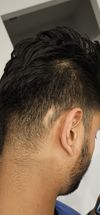
community Patch Behind Ear Possibly Due to Glasses, Is it Traction Alopecia?
The patch behind the ear is likely traction alopecia caused by glasses. No specific treatments like Minoxidil, finasteride, or RU58841 were mentioned.
community antihistamine for scalp inflammation??
Cetirizine 10mg daily reduced hair shedding by 50% and lessened scalp itchiness. The user is considering long-term use for scalp inflammation and hair loss.
community are scalp scrubs bad for hair loss?
Scalp scrubs with sugar are not harmful to hair loss if used gently. A shampoo brush can help exfoliate and promote blood flow.
community Derminator2 causing scars (microscope images attached)
User experienced scarring from microneedling at fast speed and paused treatment for 3-4 weeks to recover. Advice given includes waiting a full month for recovery to avoid scars.
community What derma rollers/stamps/pens do you use?
The conversation is about adding dermarolling to a hair loss treatment routine. The user seeks recommendations for dermarollers, stamps, or pens, emphasizing the importance of quality and proper cleaning.
community Fin shed is no joke. This is from running my hand through my hair on my way home
The conversation is about hair shedding experienced while using finasteride (fin) for hair loss treatment. Users discuss their experiences with finasteride, minoxidil (min), and other treatments, noting that shedding is often a sign that the treatment is working.
community Anyone have any KX-826 results yet?
KX-826 users report increased shedding, with some experiencing more shedding at higher concentrations. Users are discussing where to purchase the product.
community Is hair thinning or loss associated with pain?
Hair thinning/loss associated with burning scalp pain. Finasteride helped relieve "DHT itch" for one person.
community Added witch hazel to my daily routine
The user added witch hazel to their routine with finasteride and topical minoxidil to reduce scalp itching and potentially help with hair loss. They find witch hazel affordable and effective for itch relief, though its impact on hair loss is still uncertain.
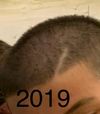
community Last Attempt at Fighting The Curse
The user is using minoxidil, finasteride, dutasteride, and clobetasol, along with needling, to combat hair loss. They are considering stopping treatment if no improvement is seen.
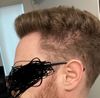
community What kind of balding is this?
A 34-year-old male is experiencing hair loss on the sides of his head, with inflammation and itchiness, while the top remains thick. He is using topical dutasteride and keto shampoo to address the issue.
community Using kx826 since one month and I'm shedding thick hair instead of thin ones as before
The user is experiencing shedding of thick, healthy hair after using KX826 0.5% for a month. They are concerned about losing coverage and are seeking others' experiences with regrowth.
community Will a salicylic acid shampoo help remove flakes caused from propylene glycol?
A user is experiencing scalp flaking from a finasteride/minoxidil topical solution and considers using salicylic acid shampoo to remove propylene glycol residue. Another user suggests trying a leave-in conditioner to address dryness and flaking.
community HT booked, taking finasteride and losing ground?
The user is concerned about hair loss despite taking finasteride and has a hair transplant scheduled. They experience scalp itching and burning, which hasn't been relieved by various treatments, and another user suggests using ghk-cu & ahk-cu serum and Koshine kx-826/pyrilutamide for relief.
community Dry flakes from topical fin use
The user is experiencing white flakes and a greasy look from using a topical solution containing 0.025% finasteride, 8% minoxidil, 0.01% retinoic acid, and 1% hydrocortisone. Suggestions include reducing application frequency, using a brush to clean the scalp, and considering alcohol-free alternatives.
community lost all my gains switching from liquid to foam
Switching from liquid to foam minoxidil led to hair loss for OP, possibly due to a second shedding cycle. OP experienced allergic reactions to propylene glycol in the liquid form, causing dandruff and itchiness, which improved after switching to foam.
community Quercetin got rid of my scalp soreness
Quercetin reduced scalp soreness and may help with histamine-related hair loss. The soreness felt like inflamed follicles beneath the scalp surface.
community Attention Guys, I highly recommend everyone to add this to your daily routine
Adding a daily scalp massage with an acupressure device before applying minoxidil can enhance its effects by improving blood circulation, with no side effects. Users are advised to continue microneedling weekly and consider using a derma stamp to avoid scarring.
community Anyone else have sneezing reflex when starting microneedle?
Microneedling can cause a sneezing reflex due to tingling in the nose. Users report this reaction, especially in the temple region.
community Redness and flaking from topical minoxidil
Topical minoxidil with tretinoin is causing redness, stinging, and flaking on the scalp. Reducing application frequency and using anti-dandruff shampoo may help alleviate symptoms over time.
community Does Koshine reduce sebum and Itchiness? I would like to hear experiences
Users discuss whether Koshine reduces sebum and scalp itchiness. Some report reduced sebum and seborrheic dermatitis, while others debate the effectiveness of anti-androgens like RU58841 for hair loss.
community What are these spots on my scalp
A user noticed non-itchy, non-bleeding spots on their scalp while experiencing hair loss. Replies suggest the spots are likely sunspots or liver spots and recommend seeing a dermatologist; hair loss is attributed to male pattern baldness.
community This got rid of my minoxidil itch
A user found relief from minoxidil-induced scalp itch by using a different product, as Nizoral dried out their scalp and worsened the condition. The conversation focuses on managing side effects of hair loss treatments.
community Why is my dermatologist strictly against derma stamping/derma rolling?
Dermatologists often advise against at-home microneedling due to risks of scarring, infection, and improper technique. Professional guidance is recommended for safe and effective use, with some users reporting positive results when done correctly.

community 36yo Male: 5 Months of Derma Stamping with Minimal Results, Should I Change Needle Length?
A 36-year-old is experiencing underwhelming results from derma stamping for hair thinning, using needle lengths of 0.5mm to 0.75mm. They are considering increasing needle length, taking a break, or pairing the treatment with rosemary oil.
community Started Finasteride + Derma rolling
The user started finasteride and derma rolling for hair loss, later switching to wet cupping therapy. They experienced initial shedding but reported thicker, healthier hair over time, using natural hair wash methods like Amla, Reetha, and Shikakai.
community Man i thought progress was linear but im back to shedding right before a vacation.
The user is experiencing hair shedding despite using finasteride, minoxidil, and microneedling, and is concerned about the non-linear progress. Other users share similar experiences, suggesting shedding is normal and cyclical, with some recommending less frequent microneedling.