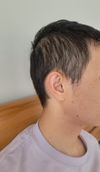
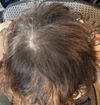
Topical melatonin may improve hair density and thickness, and reduce hair loss and seborrhea with no significant side effects. The user made their own melatonin solution for hair treatment.
A user plans to create a copper peptide hair serum with GHK-Cu and AHK-Cu, considering adding 5% minoxidil but avoiding finasteride and dutasteride. They seek suggestions for improving the product without complicating it.
A user is experiencing an itchy scalp after using a shampoo containing biotin, saw palmetto, and caffeine, and is questioning if it's due to the shampoo or balding. They are seeking feedback on others' experiences with similar shampoos.
The user has been using Minoxidil for 2 months and Finasteride for 1 month to address hair loss, particularly at the temples. They are questioning whether the new small hairs are facial hairs or new scalp hair.
The conversation discusses hair loss treatments, specifically Brassica oleracea extract, glucosinolates, and sulforaphane, and their potential to promote hair growth. Users also mention minoxidil and finasteride as existing treatments.
The conversation discusses using topical dutasteride with a dermapen for hair loss treatment. The user is deciding between liposomal and mesosomal formulations for this purpose.
A 23-year-old male is seeing hair growth after two months using Minoxidil, Finasteride, derma rolling, and supplements like biotin and collagen. Commenters acknowledge the improvement and inquire about side effects and hair shedding.
The conversation discusses hair regrowth using finasteride, minoxidil, Nizoral, and oral Saw Palmetto. Users share mixed opinions on the effectiveness of these treatments, with some suggesting additional treatments like dutasteride.
Hair oils can cause severe allergic reactions, as seen in Jermel Brown's case, leading to significant health issues and legal action for damages. Users discussed concerns about various hair oils, including Mielle and Kiehl's, with some experiencing hair loss and others using treatments like Minoxidil and Finasteride to address damage.
Using a combination of micro-needling and exosome injections as a potential treatment for male pattern baldness, which could result in 50% or more regrowth.
A user has been treating hair loss with finasteride for two years without success and is experiencing an itchy scalp with seborrhea. Despite low DHT levels, they are still losing hair, suggesting that DHT might not be the main cause of their hair loss, and they are considering other treatments or causes.
The user is experiencing excessive hair thinning and is unsure of the cause. They are seeking opinions on treatments like Minoxidil, finasteride, and RU58841.
A user is participating in a phase 3 trial for Clascoterone, a topical acne medication that may stimulate hair growth, and will share results after 6 months. They will have a section of their hair shaved and marked with a tattoo for the study.
OP is considering using Stemoxydine or the Ordinary Multi Peptide Hair Serum as a carrier for topical finasteride, avoiding minoxidil due to palpitations. They plan to crush finasteride pills into a 30 ml solution.
The user shared progress pictures showing hair regrowth over 7 months using topical Minoxidil, topical Finasteride, and multivitamins with biotin, noting more regrowth at 3 months than at 7 months. They suspect a shedding phase and are considering the impact of not continuing microneedling.
The conversation discusses scalp issues and hair loss, with treatments like Accutane, Nizoral, and H&S being used. Suggestions include considering finasteride, minoxidil, and jojoba oil, with caution advised for the latter.
The user is considering blood tests to understand their receding hairline and is exploring brewer's yeast for its biotin content. They have been using topical Minoxidil, biotin, collagen, and microneedling, but are avoiding oral Finasteride and Dutasteride.
A user is experiencing severe hair loss, diagnosed with seborrheic dermatitis, and is using Ketoconazole and beclomethasone. They are concerned about potential female pattern baldness and are seeking reassurance and advice.
A user shared impressive hair growth results after 77 days using oral finasteride, topical minoxidil, and weekly microneedling. They reported thicker, darker hair and minimal shedding, with treatment costs around 30 euros per month.
A 24-year-old male started using finasteride, minoxidil, biotin, and vitamin D for hair loss but noticed worsening thinning and white patches on his temples. He seeks advice on improving his regimen, which includes topical minoxidil and a shampoo for seborrheic dermatitis.
RepliCel's potential hair loss treatment may cost around $1000 and aims to protect hair follicles from DHT, possibly reversing some miniaturization. It is not considered a cure and may be most effective in early hair loss stages, with its main advantage over finasteride being the lack of sexual side effects.
The user is pleased with their hair growth progress after 5 months of using Minoxidil, Finasteride, and RU58841, and is curious if the baby hairs at the temple will fully connect with the rest of the hair. It's uncertain if the connection will happen yet.
A user asked if olive oil can replace propylene glycol or glycerin in topical finasteride preparation. Another user advised against it, suggesting MCT oil instead due to olive oil's potential to worsen dandruff and seborrheic dermatitis.
PP405 is a potential hair loss treatment that inhibits mitochondrial pyruvate carriers, increasing lactate dehydrogenase activity and stimulating hair follicle stem cells. In a phase 1 trial, 31% of participants showed over 20% hair density increase with PP405 treatment.
The user has been experiencing diffuse hair thinning despite using finasteride, minoxidil, dermarolling, clobetasol cream, and PRP sessions. They seek advice on additional treatments and are advised to check vitamin D, iron, and thyroid levels.
The user has been using finasteride (0.5mg), minoxidil (5% foam), dermarolling, and rosemary oil for 3 months, noticing baby hairs and some shedding. Advice given includes continuing the current treatment, considering additional treatments, and potentially increasing the finasteride dose.
The conversation discusses using a combination of DHT gel, dutasteride, pyrilutamide, and minoxidil to promote beard growth while minimizing hair loss. Users suggest consulting a doctor and considering genetic factors before proceeding.
The conversation discusses alternatives to minoxidil for beard growth, focusing on a product called Neofollics Beard Growth Serum, which claims to be effective without using minoxidil. Concerns are raised about its ingredients and effectiveness, especially considering pet safety.
Mixing RU58841 with cetosomal minoxidil is discussed due to scalp irritation from ethanol PG vehicles. A mixture of the two turned bright pink when left to dry.