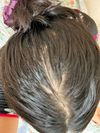
Using vitamin C in shampoo to adjust pH levels can improve hair health and reduce oiliness and dandruff. The user mixed vitamin C powder with conditioner, achieving positive results.
A user's progress pictures which show the effects of using finasteride and minoxidil for hair growth, along with keto shampoo; other users shared their experiences with similar conditions, offering advice on treatments and encouraging the original poster to keep going.
The user is experiencing hair fall and is using a nonsulfate Maui Hibiscus shampoo and conditioner, washing twice a week, and applying a warm mixture of castor and olive oil. They seek advice on a proper haircare regime and product recommendations for low porosity hair.
The user has been using Nizoral shampoo, MCT oil with lavender oil, and tea tree conditioner for hair care, considering finasteride if no progress is seen. Some users notice progress in hair thickness and density after three months.
A user shares a routine using Nizoral 2% shampoo twice a week, followed by Ego QV Nourishing Shampoo and Conditioner, and Schwarzkopf Extra Care Hair Treatment Oil to prevent dryness and maintain healthy hair texture. Others discuss similar experiences with ketoconazole, noting improvements in dryness and reduced hair shedding.
The conversation discusses using olive oil, shampoo, conditioner, and moisturizer before applying minoxidil to combat the drying effects of alcohol in hair treatments. The user asks if facial moisturizer like Cetaphil is safe for the scalp.
A 20-year-old male using Minoxidil and finasteride for 6 months and keto shampoo for 5 months saw initial improvement in dandruff, but the condition returned. He recently started using 3% salicylic acid shampoo and seeks advice for persistent dandruff, which is oily and localized to the left side of his scalp.
Treating Seborrheic Dermatitis, a fungal scalp condition which can cause hair loss. Treatments discussed include antifungal shampoos, cold showers, exfoliating the scalp, taking Vitamin D, and stimulating the prostate through the anus.
The conversation discusses the presence of sulfates in Nizoral and Head & Shoulders shampoos. The user seeks advice on whether to return Head & Shoulders for a sulfate-free alternative and recommendations for a second shampoo/conditioner to alternate with Nizoral.
A 25-year-old male with androgenetic alopecia experienced improved hair condition after using finasteride, oral minoxidil, and dutasteride, but later faced diffuse thinning and texture deterioration after a shedding phase. Others suggest patience, continued treatment, and using ketoconazole shampoo, with some sharing similar experiences of post-shed thinning.
A 29-year-old female is experiencing severe hair loss and bald patches, seeking advice on shampoos, conditioners, hair masks, or topical medications. A user suggests starting an oral supplement.
The user experienced hair regrowth using 1mg oral finasteride, 5% topical minoxidil, derma rolling, 1% ketoconazole shampoo, and a daily balding shampoo/conditioner over three months. They noticed baby hairs and positive changes, attributing early results to minoxidil.
A 33-year-old woman experienced significant hair loss and found relief using Mary Ruth’s liquid morning multivitamin + hair growth and Nioxin shampoo and conditioner. She noticed reduced shedding and longer hair growth after three months of use.
The user experienced hair regrowth over four months using 5% topical minoxidil, oral biotin, and saw palmetto. They also use rosemary and mint conditioner and biotin shampoo.
Progress made with a hair loss routine that includes topical Minoxidil/Finasteride, Nizoral shampoo and Micro needling. Additionally, the user switched to sulfate-free shampoo and conditioner, as well as taking a Hair & Nails supplement.
The user started using minoxidil foam daily after two years on finasteride and is managing seborrheic dermatitis with antifungal shampoo. They seek advice on moisturizing products that won't worsen their condition, with suggestions including gentle shampoos and light ceramide serums.
A user shared a positive experience with finasteride, using 1mg daily and 2% ketoconazole shampoo for hair loss prevention, maintaining hairline and density for three years. They also use a moisturizing conditioner, vitamins, and scalp massages for general hair health.
User applied Xyon fin topical gel daily, used Augstinus Bader shampoo, conditioner, and scalp treatment, and applied argan oil twice a week. No Minoxidil, no dermarolling, and no side effects were reported.
A 33-year-old man using finasteride, minoxidil, thickening shampoo, conditioner, and Nizoral noticed peach fuzz after a month and is hopeful for regrowth. Others shared mixed experiences, with some seeing further growth and others not.
A 30-year-old from Mexico shares his 9-month experience using finasteride, ketoconazole shampoo, and minoxidil for hair loss, reporting no major side effects except for hair dryness. He advises using conditioner and coconut oil to minimize hair breakage and encourages others to try these treatments while seeking help if hair loss affects mental health.
After 2 months of using minoxidil and finasteride twice daily, along with ketoconazole shampoo 2-3 times a week, progress in hair condition is shown. The user shares pictures to document the changes.
The user is experiencing hair thinning and visible scalp at 18, seeking advice on whether it's genetic or a scalp condition. Suggested treatments include Minoxidil, finasteride, ketoconazole shampoo, and CBD oil with MCT.
The user shared a 5-month update on using finasteride, minoxidil, and ketoconazole shampoo for diffuse thinning, along with supplements like B-Vitamins, D-Vitamins, Iron, and Beta carotene. They noted improvement in hair condition and encouraged others to check previous posts for more information.
A user is asking if a new hair product, Cypress Premium Vials Energy and Cypress Premium Shampoo Energy, could be dangerous or worsen their hair condition. The product contains various ingredients including water, alcohol, menthyl lactate, and several extracts.
Using the "big three" hair loss treatments (Minoxidil, Finasteride, and Ketoconazole) can initially make hair look worse, often causing dryness and a "straw" texture. Adjusting the routine with gentler shampoos and conditioners can improve hair appearance while waiting for the treatments to show results.
The conversation discusses personal experiences with hair loss and highlights the potential impact of anemia and nutrient deficiencies on hair health. Treatments mentioned include changing shampoo/conditioner, taking MSM, collagen, hyaluronic acid, astaxanthin, B12, folate, and bovine blood capsules.
The user seeks advice on making hair look healthier, mentioning past use of finasteride after a hair transplant. They request recommendations for nourishing shampoo/conditioner, hair growth vitamins, a good hair oil, and a natural method to cover greys.
A 25-year-old shared his 4-month progress using oral minoxidil, oral finasteride, a 1mm dermastamp, Nizoral, and upgraded shampoo and conditioner. He feels he sees some regrowth, though some commenters attribute the change to a different hairstyle.
A user shared their 3-month progress using a combined finasteride and minoxidil pill for hair loss, noting early signs of regrowth. They also use biotin shampoo/conditioner, take Vyvanse and Propranolol, and bleach/dye their hair every 3 weeks.
A 29-year-old man has been using topical minoxidil, oral finasteride, derma rolling, a stamp, rosemary oil with Nioxin shampoo/conditioner, nizoral, scalp massages, and various hair care tools to treat hair loss. He's seen some improvements but is still experiencing slight recession and is seeking advice and encouragement.