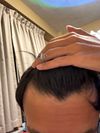
The conversation discusses the potential of a new hair loss treatment, GT20029, which targets androgen receptors in the scalp and is in phase 1 trials in China. Users express hope that this treatment will be more effective than current options like Minoxidil and Finasteride.
The conversation discusses methods to further reduce DHT in the scalp for hair loss treatment, with users suggesting various approaches like using dutasteride, minoxidil, tretinoin, and natural supplements like pumpkin seed oil. Some users also mention using topical applications and scalp massages to enhance the effectiveness of these treatments.
Dutasteride at 0.5mg blocks 50% of scalp DHT, while higher doses like 1mg and 2.5mg block more, with 2.5mg blocking up to 80%. Some users report better results with lower doses, and there's confusion about the effectiveness of different dosages on scalp versus serum DHT.
The conversation humorously discusses the effects of stopping finasteride for two years, with users joking about hair loss and embracing baldness. Treatments mentioned include finasteride.
The clinic diagnosed the user with NW3 and AGA, noting thinning hair despite using finasteride for 3 years, and suggested PRP and Mesotherapy before considering a transplant. The user questions the necessity of these treatments without confirming retrograde alopecia and its treatability.
The user has accepted their hair loss and uses finasteride and minoxidil, with past use of RU58841 and dutasteride. They seek advice on supplements to slow down graying hair.
Alternatives to finasteride for hair loss include minoxidil, alfatrodial, fluridil, pyrilutamide, and Nizoral. These treatments may not be as effective as finasteride but can help slow hair loss progression.
Dutasteride works for most men, but some may experience worsening due to reasons like shedding, paranoia, non-androgenic alopecia, genetic variations, or smoking. Smoking can increase scalp DHT levels and damage follicles.
A dermatologist advised a patient to stop taking finasteride (fin) after turning 40 due to potential risk of aggressive prostate cancer. The patient and others in the conversation debated this advice, discussing the relationship between finasteride, prostate cancer, and hair loss, and considering alternatives like topical finasteride.
Male pattern baldness (MPB) may be an early warning sign for type 2 diabetes due to its association with insulin resistance. Treatments discussed include testosterone therapy and finasteride, which affects hormone levels related to hair loss and insulin sensitivity.
MCL-1 is important for hair follicle stem cell survival, but its impact on human hair regrowth is unclear. Minoxidil and finasteride are the main treatments, with doubts about new discoveries leading to effective human solutions soon.
Finasteride is discussed as a hair loss treatment with benefits like reduced prostate enlargement and skin aging, but it is not seen as a "fountain of youth." Users report mixed experiences, including side effects like decreased libido and dry eyes.
A 23-year-old male is experiencing no progress with hair loss despite using oral minoxidil and finasteride, and is considering dutasteride. He also reports experiencing erectile dysfunction, possibly due to starting lexapro.
Hair growth serums, specifically those with minoxidil and finasteride, are discussed as potential treatments for hair loss. The effectiveness of these serums is questioned, with a focus on whether they promote regrowth or merely prevent further loss.
The conversation is about the safety of using hair loss products like Minoxidil and finasteride while trying to conceive and after birth. The user is seeking advice on whether these products are safe for the baby and if any men in similar situations can share their experiences.
The conversation discusses the lack of updates on GT20029 for hair loss treatment, with some users noting recent reports indicating ongoing data collection. There are mentions of other treatments like Pyrilutamide and Minoxidil.
Minoxidil helps hair growth on both scalp and face, but stopping it leads to hair loss on the scalp, not the face. The user questions why scalp hair can't be maintained with finasteride or androgen blockers after stopping minoxidil, despite these treatments reducing DHT damage.
Fluridil was abandoned due to its weak effectiveness and low binding affinity to the androgen receptor, making it less competitive against DHT and testosterone. Users discuss its limited results compared to other treatments like pyrilutamide and RU58841.
A user with Androgenetic Alopecia is seeking advice on hair growth treatments while planning for pregnancy. Current routine includes LaserCap, Nizoral Shampoo, scalp massage, The Ordinary Multi Peptide Serum, vitamin D, prenatal vitamins, and SEEN shampoo.
PP405 and ABS-201 are promising treatments for male pattern baldness. PP405 shows rapid hair growth in human trials, while ABS-201 shows significant regrowth in animal studies but is still in early human trials.
The conversation is about hair loss treatments, specifically discussing the use of dutasteride, minoxidil, and the potential benefits of a DNA test and PRP therapy. Opinions vary, with some users skeptical about the DNA test and PRP, suggesting sticking with current treatments.
The conversation is about a user struggling with hair loss despite using dutasteride, finasteride, minoxidil, and dermaneedling. The user is considering other treatments but is hesitant to use RU-58841 due to side effects and is seeking advice on alternative solutions.
A 32-year-old male with hair loss cannot use finasteride due to erectile dysfunction and minoxidil due to scalp psoriasis. He seeks alternative treatments for his condition.
The user reported progress in hair regrowth after 3 months using finasteride, biotin, and minoxidil, with no sexual side effects. Most responses noted significant improvement, encouraging continued use for full results.
Caffeine may promote hair growth and potentially inhibit 5-α-reductase activity in hair follicles, but its effectiveness and systemic impact remain unclear. Users discuss using topical caffeine solutions, with some experiencing no side effects compared to finasteride.
A young man faces severe hair loss in his early 20s, using treatments like dutasteride and minoxidil with little success, impacting his self-esteem and relationships. He considers hair systems and therapy as potential solutions.
A user, 18, is considering switching from topical finasteride (0.025%) and minoxidil to dutasteride due to continued hair shedding. Other users shared their experiences with dutasteride, noting potential benefits and risks, including reduced sperm count.
Clascoterone 5% topical solution shows promise for treating male-pattern hair loss by blocking DHT at the follicle without systemic absorption, potentially offering fewer side effects than oral treatments like finasteride. While results are promising, long-term safety and effectiveness need further study, and it may serve as a starting point for developing more effective treatments.