The user experienced no major negative symptoms from Propecia but noted ball throbbing and emotional inertia. They also used Minoxidil and observed increased focus and prolonged moods.
Curved hair transplantation requires specialized tools and techniques to avoid damaging hair follicles, with modified FUE being the preferred method. Proper extraction and implantation angles are crucial to prevent complications like keloids and sterile folliculitis.
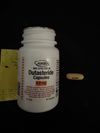
The user switched from finasteride to dutasteride to address temple hair loss and obtained generic oral minoxidil. They are questioning the legitimacy of Camber's dutasteride compared to other options.
Minoxidil use led to excessive eyebrow and forehead hair growth, prompting grooming advice like waxing, tweezing, and shaving. Some suggested reducing dosage or considering electrolysis for permanent hair removal.
A 20-year-old has been using 1g Finasteride and 2.5mg Minoxidil orally for 2 months to address hair thinning. Users discuss potential regrowth, side effects, and concerns about post-finasteride syndrome.
Addressing hair loss by checking vitamin D and iron levels is crucial before adding more treatments. Supplementing these deficiencies can significantly reduce shedding.
A user shared their experience with hair loss treatments, finding success with a topical hair serum containing GHK Cu and AHK Cu, which reduced shedding. They avoided hormonal treatments like finasteride and minoxidil, and noted skepticism from others about non-traditional treatments.
RU58841 from rudirect caused more hair shedding and itch, while anageninc's RU58841 improved the situation. Users are concerned about the quality and authenticity of RU58841 from different suppliers, including those from China.
The user experienced significant hair regrowth using a combination of minoxidil, alfatradiol, pyrilutamide, and nizoral, despite previous intolerance to finasteride. They emphasize the importance of consistency in treatment and are optimistic about the results, noting no side effects so far.
The user experienced significant hair growth and increased density after using 1.1mg finasteride for 4-5 weeks and switching from topical to oral minoxidil (3mg) for 3 weeks. They reported no shedding and were uncertain if the growth was due to the oral minoxidil or finasteride.
Topical spironolactone is considered safe for males but is not very effective for hair loss. Some users suggest trying it since it's already purchased, while others recommend alternatives like clascoterone.
A 21-year-old experiencing hair loss noticed reduced hair fall and new growth after using rosemary oil and amla, but results are slow. Users suggest natural remedies may not be effective long-term and recommend consulting a dermatologist or considering finasteride for better results.
The user discovered they had been using fake minoxidil for months, leading to hair thinning, and decided to switch to a trusted brand from Walmart. Another user suggested seeing a dermatologist for prescription minoxidil and recommended Kirkland brand minoxidil and finasteride for effective hair loss treatment.
A user expressed concern that minoxidil might have poisoned their cat, leading to heart and lung issues, but others suggested it was unlikely due to minimal exposure. Some users recommended switching to oral minoxidil or using protective measures like a bonnet to prevent potential contact with pets.
The conversation is about making a topical solution from clascoterone powder, with references to using a RU58841 mixing guide for guidance. Concerns about product authenticity and bulk purchase requirements are also discussed.
A 23-year-old male has been using 1.1mg finasteride and 5mg oral minoxidil for 4 months and is questioning if he has experienced hair regrowth. He reports some thickening of arm and facial hair but no serious side effects.
The conversation is about switching from brand-name Avodart to generic Dutasmart for hair loss treatment, with concerns about shedding and side effects. The user also discusses using oral Minoxidil and plans to increase the dose for better results.
The user reported excellent hair growth results after 3 months using topical finasteride 0.5% and minoxidil. They obtained the treatments from a pharmacy and experienced no side effects, while also using Nizoral shampoo twice a week.
Breezula shows promising results for hair loss, with one trial showing a 539% improvement and another 168%, but lacks combination data with treatments like minoxidil or dutasteride. Its mechanism differs from finasteride, potentially offering fewer side effects by blocking receptors locally at the follicle.
GHK-CU is not considered as effective for hair loss as finasteride, minoxidil, or RU58841, with many users reporting minimal benefits. Some users experienced skin improvements, but its impact on hair is debated and often attributed to concurrent use of other treatments.
For early hair thinning, users suggest starting with finasteride alone and considering minoxidil later if needed. Some users advise against minoxidil due to long-term dependency, while others recommend scalp massages and alternatives like red light therapy.
The user switched from topical to oral finasteride and minoxidil pills for hair loss but hasn't seen results after 4 months. Others suggest it may take longer to see improvements and recommend considering additional treatments.
Finasteride is used for hair loss, with mixed reports of no side effects and claims of long-term negative effects known as Post Finasteride Syndrome (PFS). The conversation debates the existence and causes of PFS, with differing opinions on whether it is psychological or real.
A user accidentally ingested minoxidil instead of melatonin, leading to a humorous discussion about similar mix-ups and the effects of minoxidil. The user now stores the bottles separately to avoid future mistakes.
The user started using Minoxidil, Finasteride, and vitamins, including freeze-dried organ capsules, for hair regrowth. They report satisfying results with some improvement, though opinions on progress vary.
Using the "big three" hair loss treatments (Minoxidil, Finasteride, and Ketoconazole) can initially make hair look worse, often causing dryness and a "straw" texture. Adjusting the routine with gentler shampoos and conditioners can improve hair appearance while waiting for the treatments to show results.
Breezula's effectiveness is uncertain, with some users skeptical about its potential and others noting its recent availability on the grey market. A user reported success with a stack of Dutasteride (oral), Minoxidil (topical), and RU58841 (topical), achieving significant hair improvement after 18 months.
The conversation discusses skepticism about "5 in 1" and "3 in 1" hair loss treatments, which combine Dutasteride or Finasteride with Minoxidil, being overpriced and potentially ineffective. Users suggest buying individual components separately for cost savings and question the effectiveness of low concentrations in these combined products.
The user had a hair transplant in March 2025 and has been using finasteride since 2023, which halted hair loss but didn't fully restore density. They plan to use dutasteride twice weekly, finasteride five times a week, and saw palmetto to improve hair thickness.
The user shared progress pictures after using 5% topical minoxidil for two years and 1mg finasteride for one year, but many commenters believe the hair looks the same, attributing changes to different haircuts rather than actual regrowth. The user reported no side effects from finasteride, and opinions varied on whether any significant hairline improvement occurred.