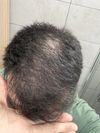
User shared 4.5-month hair loss treatment results using Fin, Minoxidil, and microneedling. Others discussed postponing hair transplant and adjusting microneedling depth.
The conversation is about concerns over the authenticity of oral minoxidil for hair loss treatment, with fears it might contain finasteride despite labeling. Users reassure that if it states minoxidil only, it should be trusted, and mention that Indian drugs are generally okay.
A user found a red light cap from China with good specifications for hair loss treatment, priced at €480. They seek opinions on its legitimacy and quality, especially from those with experience ordering from AliExpress.
A user shared their hair regrowth journey using a comprehensive treatment plan including oral minoxidil, oral dutasteride, topical minoxidil, Nizoral shampoo, microneedling, and various supplements. They reported noticeable improvement in their crown area after 4.5 months, with only minor side effects like forehead pimples.
PP405 is a potential hair loss treatment, but its safety and effectiveness are uncertain. Users advise caution and suggest waiting for more data before purchasing unverified versions.
A user nearing 9 months of hair loss treatment reports using Minoxidil 5% liquid twice daily, Finasteride 1mg daily, and microneedling with a 1.5mm roller weekly. They also take Vitamin D, B7, Zinc, and considered but did not use Dutasteride or Ketoconazole shampoo.
The conversation discusses switching from topical to oral Minoxidil for hair loss treatment, with the expectation of better results due to systemic delivery. The user has been using Finasteride, topical Minoxidil, and dermastamping, maintaining hair but seeking more regrowth.
The conversation critiques the influence of "Clavicular" on young men regarding hair loss treatments, highlighting the dangers of following unscientific advice and the rise of body dysmorphia. It emphasizes the importance of safe, medically advised treatments like minoxidil, finasteride, and dutasteride, while warning against reckless experimentation and early surgeries.
Finasteride is more accepted than hair systems because it is less visible and maintains natural hair. Treatments like minoxidil and finasteride are commonly used for hair loss, but opinions on hair systems vary.
The FDA will now require only one clinical trial for drug approval, potentially speeding up the release of hair loss treatments like PP405. Pelage is expected to present full results of PP405 Phase 2a trials and move to Phase III in mid-2026.
Delayed release oral minoxidil is seen as a promising advancement for hair loss treatment, offering safer, higher doses and more consistent hair follicle stimulation compared to current options. However, it is not expected to replace finasteride or dutasteride, as it does not prevent androgenetic alopecia.
The user is experiencing hair loss and is using oral treatments including 5mg minoxidil, 1.1mg finasteride, and 1mg biotin daily. They are considering adding dutasteride and possibly a hair system, while others suggest patience and additional treatments like microneedling.
A 35-year-old is seeking advice on hair loss treatments, considering minoxidil, finasteride, and possibly a hair transplant in Turkey. They have previously tried microneedling for a year.
Clascoterone is being discussed as a promising new hair loss treatment, showing significant improvement in trials. Despite this, skepticism persists about its effectiveness, cost, and side effects, with some users preferring minoxidil and finasteride.
The user experienced significant hair loss after 9 months of using 0.5mg dutasteride and oral minoxidil, possibly due to alopecia areata. It is advised to consult a doctor for accurate diagnosis and treatment, as dutasteride and finasteride may not be effective.
A 31-year-old man with androgenic alopecia is considering treatments like finasteride, minoxidil, and ketoconazole shampoo but is worried about finasteride's side effects. Users recommend starting with finasteride or dutasteride for DHT blocking, suggesting topical solutions to reduce side effects.
The user has been experiencing diffuse hair thinning despite using finasteride, minoxidil, dermarolling, clobetasol cream, and PRP sessions. They seek advice on additional treatments and are advised to check vitamin D, iron, and thyroid levels.
Hair follicles are mostly dormant but can be reactivated with treatments like minoxidil, finasteride, and microneedling. A new drug, PP405, shows promise for hair regrowth but may not be available until 2027-2028.
An 18-year-old is using a high-dose treatment for hair loss, including 2.5 mg dutasteride, topical minoxidil, and injectable GHK-Cu, despite minimal hair loss. Many users suggest reducing the dutasteride dose due to potential side effects and recommend starting with finasteride instead.
The conversation discusses a user's positive experience with a hair loss treatment routine involving dutasteride, oral minoxidil, and Nourkrin Man, with no side effects reported. Other users share their experiences with similar treatments, discussing side effects like heart palpitations and depression, and offer advice on obtaining prescriptions affordably.
Cosmo Pharma plans to release Breezula, a hair loss treatment, with expected FDA approval in 2027, but concerns arise over its high potential cost of $225/month. Users express skepticism about its effectiveness compared to cheaper alternatives like finasteride and minoxidil.
Microneedling is supported by research as an effective adjuvant treatment for hair loss, especially when combined with Minoxidil or Finasteride, with minimal side effects if done properly. Concerns about long-term safety and potential risks like infection or fibrosis remain, but many users report positive results.
A woman is concerned about her husband's hair thinning and researches treatments like finasteride and minoxidil. He decides against medication due to potential side effects and plans to shave his head if necessary.
UCLA's PP405 shows promise in reactivating dormant hair follicles for hair loss treatment but is still in clinical trials. Minoxidil and finasteride remain common treatments until PP405 becomes available.
There is concern about a potential ban on finasteride and dutasteride in the EU, with users discussing the impact on hair loss treatment. Some suggest alternative treatments or express skepticism about the likelihood of a ban.
Hair follicles can be dormant and potentially revived with treatments like finasteride and minoxidil, but irreversible loss occurs if certain structures are destroyed. Early intervention is more effective, and additional methods like microneedling may help.
A 24-year-old male is considering the "Big 4" treatments (Finasteride, Minoxidil, Ketoconazole shampoo, and Microneedling) or a hair transplant for hair loss. Most users recommend starting with Finasteride and Minoxidil to stabilize hair loss before considering a transplant.
The conversation is about the effectiveness of hair loss treatments like finasteride, dutasteride, and minoxidil. Users agree these treatments help maintain hair but don't guarantee miraculous regrowth, emphasizing early intervention for best results.