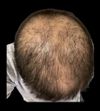
A 16-year-old using topical finasteride and minoxidil for 3.5 months to treat hair loss. They're seeing progress, despite continued shedding, and plan to start using dutasteride at 18.
Teenager with hair loss shares experience and encourages others to address their hair loss early. They use a stack of topical finasteride/minoxidil, derma stamp, and ketoconazole shampoo for treatment.
People are waiting for KX-826 (Pyrilutamide) Phase 2 data to decide on hair loss treatments, with some considering finasteride or minoxidil in the meantime. Pyrilutamide is seen as a potentially stronger and safer alternative to finasteride, but concerns about side effects and availability remain.
A 25-year-old is experiencing mild hair loss and is using a regimen including scalp brushing, dermarolling, topical minoxidil, caffeine, melatonin, and a DHT-blocking shampoo. Another person shares their struggle with hair loss due to drug use and plans to start finasteride while trying to quit drugs.
The user is concerned about hair loss and wonders if it could be due to product use or stress, despite having family members with full hair. They are considering starting treatment with Minoxidil, finasteride, or RU58841.
Influencers complicate hair loss treatments by promoting many products, but Minoxidil and Finasteride (or Dutasteride) are sufficient to start. The user criticizes influencers for not mentioning effective treatments like Finasteride.
The user experienced significant hair thinning despite using finasteride and minoxidil, leading to concerns about whether it's a temporary shed or a more serious issue. They plan to start using RU58841 and are advised to consult a doctor to rule out other causes like autoimmune disorders.
A 21-year-old with early hair loss is considering starting finasteride, either orally or topically, and is unsure about adding minoxidil due to concerns about commitment and effectiveness. They plan to start with microdosing finasteride, possibly adding minoxidil later, and will also try microneedling, rosemary oil, castor oil, and ketoconazole shampoo.
The user shared a one-year update on using oral finasteride (1.1 mg) and oral minoxidil (3 mg) along with ketoconazole shampoo, reporting significant hair regrowth and satisfaction with the results despite some side effects like thicker eyebrows and chest hair. The user encourages others to start treatment early and plans to continue the current regimen for further improvement.
The conversation discusses using dutasteride, both topical and oral, for hair loss in trans men, considering potential side effects like depression and libido issues. The user is exploring options including topical solutions with minoxidil, retinoic acid, and hydrocortisone, and plans to startmicroneedling.
A user is treating hair loss with daily 0.5mg Dutasteride, 5mg oral Minoxidil, topical Minoxidil and Dutasteride, 520mg Saw Palmetto, 5mg Biotin, and 0.8mg Folic Acid. They plan to start weekly micro-needling and mix Minoxidil with Tretinoin.
Iron supplements can help improve hair thinning and brittle skin, but recovery time varies based on individual factors like ferritin levels and absorption rates. Regular blood tests are recommended to monitor ferritin and iron levels.
The conversation is about switching from finasteride to dutasteride and oral minoxidil for hair loss treatment. The user is concerned about the shedding phase and is advised to start with dutasteride.
The conversation discusses whether it's better to start hair loss treatment with finasteride or dutasteride. Opinions vary, but many suggest starting with finasteride due to its shorter half-life and easier management of side effects, while others argue dutasteride is more effective and has fewer side effects.
The conclusion of the conversation is that the user, AdamC11, has been using finasteride (0.5mg daily) and topical minoxidil for 2.5 years and has seen good progression and maintenance with no negative effects. They plan to continue with their current treatments as long as their hair holds, and will consider more potent treatments if they start losing ground.
Using the "big three" hair loss treatments (Minoxidil, Finasteride, and Ketoconazole) can initially make hair look worse, often causing dryness and a "straw" texture. Adjusting the routine with gentler shampoos and conditioners can improve hair appearance while waiting for the treatments to show results.
A user seeks a topical hair loss treatment without minoxidil, considering options like finasteride, dutasteride, caffeine, tretinoin, or prostaglandin analogues. Recommendations include products like Strut, Maximus, Zeuss, and custom formulas from compounding pharmacies.
A 20-year-old is experiencing hair thinning and seeks advice on starting treatment and regrowing hair. They are considering using Minoxidil, finasteride, or RU58841.
It's not too late to start hair loss treatment at 40. Consider using a combination of finasteride or dutasteride with minoxidil, and be patient for results.
The user experienced significant hair regrowth using minoxidil (5% topical) once nightly and finasteride (1mg) daily, despite a poor diet, high stress, and lack of sleep. They plan to start dermastamping and improve their overall health for better results.
The user has seen progress in hair growth after using topical minoxidil for nearly three months and plans to start finasteride in December. Other users suggest adding finasteride for better results and mention the importance of consistency.
For hair loss, start with Finasteride, Minoxidil, Ketoconazole shampoo, and Microneedling. For severe cases, consider Dutasteride, oral Minoxidil, or hair transplants.
The conversation is about a user's 7-month hair regrowth progress using finasteride/minoxidil gel, minoxidil foam, ketoconazole shampoo, thickening shampoo and conditioner, biotin supplements, and plans to start using a dermaroller. Replies suggest a new haircut and commend the user's progress.
A 46-year-old male is considering adding topical dutasteride to his hair loss regimen, which includes oral minoxidil, topical minoxidil, miconazole nitrate, pumpkin seed oil, microneedling, DHT oil blocker, lipogaine, and ketoconazole shampoo. He plans to start with a 0.025% concentration in lipogaine once a week to monitor for side effects.
The conversation is about the timeline for Kintor's phase 3 trials for GT20029 and the potential release of the product in three years. It also mentions treatments like Minoxidil, finasteride, and RU58841.
A user is asking women with androgenic alopecia about the effective dose of spironolactone for hair regrowth, mentioning they've been on 100 mg for a year with minimal results and considering increasing the dose. The conversation focuses on the effectiveness of spironolactone for hair loss treatment.
The user has been using finasteride and minoxidil for less than three months to treat hair loss and has seen significant improvement, with hair regrowth on the crown area and no side effects. They plan to start dermarolling to potentially speed up regrowth.
Hair loss is influenced by genetics and sensitivity to hormones like DHT. Treatments like Minoxidil and finasteride are commonly used, and baldness persists as it doesn't affect reproductive success.
A 23-year-old is considering finasteride for hair loss but is concerned about worsening pre-existing mild gynecomastia. They plan to start with a low dose and monitor symptoms, seeking advice from others with similar experiences.
A user is concerned about the long-term commitment and potential side effects of using oral finasteride and topical minoxidil for hair loss. They are debating whether to accept their hair loss or start the treatment despite mixed results from others.