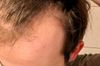
A user is experiencing rapid hair loss and has been diagnosed with telogen effluvium by multiple dermatologists, but doubts the diagnosis due to the severity and speed of the hair loss. They are considering various treatments like spironolactone, estradiol, and possibly finasteride, while also exploring the possibility of hormonal imbalances or autoimmune issues.
Focus on scalp health, not just DHT suppression, is crucial for hair regrowth. Effective treatments include Hair Restoration shampoo, LLLT laser cap, microneedling, and topical finasteride.
A young person is distressed about rapid hair loss despite using finasteride and recently starting oral minoxidil. Many suggest continuing treatment, considering dutasteride, and seeking therapy for mental health support.
The user is experiencing hair loss despite using finasteride and Rogaine, with conflicting diagnoses from different hospitals. One suggests no hair loss, while another recommends continuing medication; a suggestion to see a dermatologist for proper assessment is given.
The conversation is about a 19-year-old female experiencing hair loss, potentially due to deficiencies in iron, ferritin, and vitamin D. She is considering iron and vitamin D supplementation and exploring dietary changes, while also planning to consult a dermatologist when possible.
A 21-year-old male diagnosed with telogen effluvium and male pattern baldness started oral finasteride, which initially slowed hair loss and slightly thickened hair, but experienced increased shedding after surgery. The doctor recommended iron and vitamin D supplements, and the user is seeking additional advice.
The conversation discusses potential future hair loss treatments, including SCUBE3, hair follicle cloning, and GT20029, with mentions of past disappointments like CosmeRNA and hopes for treatments like Verteporfin for infinite donor hair.
Elevated bile acids can inhibit the enzyme AKR1C2, leading to increased DHT levels, which may accelerate hair loss in those predisposed to androgenetic alopecia. Treatments mentioned include topical minoxidil and finasteride.
Why androgenic alopecia affects the scalp rather than other body parts, potential explanations for this phenomenon, treatments available to combat hair loss, and the implications of male attractiveness in modern society.
The user is experiencing increased hair thinning and shedding despite using oral dutasteride, oral minoxidil, topical dutasteride, and ketoconazole shampoo. Many recommend considering a hair transplant or embracing baldness, as current treatments seem ineffective.
People notice more young individuals experiencing hair loss and discuss possible reasons, such as diet, hormones, and stress. Some treatments mentioned include finasteride, dutasteride, and minoxidil.
Gym and creatine can cause hair loss by increasing testosterone and androgenic activity. DHT blockers may help some, while others need androgen suppression with topical AA like RU or Pyri.
A 25-year-old is frustrated with hair loss and inability to grow facial hair despite using oral finasteride and minoxidil for over a year. Suggestions include trying topical treatments, considering a hair system, or seeking professional help for mental health.
Hair looks thinner in sunlight, and users discuss using hair fibers, minoxidil, finasteride, and considering dutasteride for hair loss. Hair fibers like Toppik help conceal thinning, and some users suggest additional treatments like derma stamping and micro-needling.
The user has tried various hair loss treatments including topical minoxidil, oral finasteride, oral dutasteride, oral minoxidil, and exosome therapy, but none have been effective. They suspect trichodynia might be preventing these treatments from working.
The conversation is about identifying nutritional factors that should be checked and supplemented to address diffuse hair loss, including Vitamin D, Biotin, Vitamin C, Vitamin B, Iron, Zinc, Protein, and Omega-3. No specific treatments were mentioned.
Hair loss due to DHT is causing distress, with Minoxidil, finasteride, and RU58841 being potential treatments. The conversation includes humor and frustration about the topic.
A 22-year-old is experiencing worsening hair loss despite using a doctor-prescribed serum and shampoo. They are seeking advice on additional treatments like Minoxidil, finasteride, or RU58841.
The user is experiencing thinning at the temporal points and has been using minoxidil, dermarolling, and a mixture of natural oils to improve hair growth. They are considering finasteride as a potential treatment based on shared information.
A 35-year-old male experiences rapid hair loss on his head and body despite normal test results for testosterone, thyroid, and vitamins. He previously used topical minoxidil and retinol, and doctors have been consulted without finding a clear cause.
Hair loss may be caused by calcification of capillaries in the scalp, restricting blood flow to hair follicles. A daily treatment regimen including high doses of Vitamins D and K, Magnesium, and Nattokinase could potentially decalcify these capillaries, improving blood flow and hair growth. However, some users warn against excessive Vitamin D intake and emphasize the need for medical consultation.
Hair loss treatments like finasteride, minoxidil, and hair transplants are more accessible and effective now. Concerns about side effects and skepticism about new treatments like hair cloning and GT20029 remain.
A 25-year-old experiencing hair thinning all over the body and head, despite using minoxidil and having low vitamin D levels, is advised to seek a second opinion from a dermatologist specializing in hair loss. The likely diagnosis is diffuse alopecia areata, which may require treatment with a JAK inhibitor.
The conversation is about a user concerned about hair thinning despite using finasteride, minoxidil, RU58841, and recently adding dutasteride. Most responses suggest there is no noticeable difference in hair loss, attributing concerns to paranoia, and recommend continuing the current treatment or adjusting expectations.
Despite using finasteride, minoxidil, and RU58841, the user is experiencing slow hair loss, particularly at the hairline, and is considering additional treatments like microneedling and possibly switching to dutasteride. Concerns about medication side effects, such as reduced sperm count and performance anxiety, are also discussed.
A 17-year-old is experiencing hair shedding and is concerned about a receding hairline, using hair products like powder and sea salt spray. Advice given includes maintaining good nutrition, ensuring hair products don't build up, and considering further resources if worried.
The conversation discusses how Caucasian men are more likely to experience hair loss due to genetic predisposition, with factors like the androgen receptor on the X chromosome playing a significant role. The user also expresses confusion about the evolutionary reasons for hair loss, especially in colder climates where it would seem beneficial to retain hair for warmth.
A 17-year-old male is concerned about hair loss and is considering treatments like Minoxidil, finasteride, and RU58841. The discussion includes sharing images of the hair condition for advice.