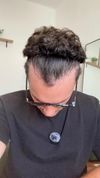
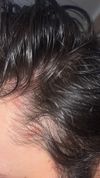
The user shared progress pictures of their hair loss treatment in Spain. They are using Dutasteride, Minoxidil pills, and a topical combination of Finasteride and Minoxidil.
A 22-year-old male is using minoxidil, finasteride, and microneedling for hair regrowth, and users are optimistic about the progress, suggesting continued consistency for better results. Some users mention personal experiences with similar treatments, noting varying levels of success.
The conversation is about whether vellus hair should be included in hair fall counts, with data showing daily hair loss. The consensus is that shedding, including vellus hair, is normal and within physiological limits.
Dutasteride capsules should not be bitten or opened due to their foul taste and potential caustic effects. Users shared experiences of accidentally biting capsules and the unpleasant taste, with some suggesting swallowing techniques to avoid this.
Hot weather can increase hair shedding, possibly due to dehydration and active sebaceous glands. Using shampoos with salicylic acid or zinc pyrithione may help; daily anti-inflammatory use is not recommended.
A 35-year-old man shared his progress using oral finasteride and minoxidil for over a year, reporting no significant side effects and improved hair growth. He emphasized the importance of nutrition and plans to continue the treatment indefinitely.
Hair fibers can effectively cover thinning hair when used with minoxidil and hairspray but require daily application and can be inconvenient in certain conditions. Some users prefer treatments like finasteride, dutasteride, microneedling, or wigs due to the maintenance and limitations of hair fibers.
A user with thinning, curly, dry hair is seeking affordable shampoo and conditioner recommendations. They are using oral minoxidil and apply argan oil, but dislike products with keratin and biotin, and another user suggests ketoconazole shampoo for added density and DHT blocking.
The user is experiencing scalp irritation and hair thinning, possibly due to stress, with red patches on the face and dry skin. They are considering seeing a dermatologist and have used tea tree and rosemary oil.
Topical finasteride is not known to be toxic to cats like minoxidil, but careful handling is advised to prevent ingestion or skin contact. OP seeks reassurance to convince their girlfriend of its safety around their cat.
A man in his twenties with hereditary hair loss has been using 5% Minoxidil, a derma roller, Vitamin D3, and recently started Finasteride, noticing baby hairs and some improvement. Users encourage him, noting good progress and potential for further improvement.
The user has been taking 2.5mg of minoxidil daily for 8.5 months without noticeable change and is considering increasing the dose or taking it twice daily. They are aware that many people start with 5mg and are contemplating adjusting their regimen.
The user has been using finasteride (1mg daily) and oral minoxidil (2.5mg) for 2.5 years to treat diffuse thinning hair, with no side effects reported. They are satisfied with the progress, noting that the treatment has slowed hair loss and costs about £30 a month.
Topical treatments like minoxidil and finasteride are preferred for hair loss due to ease of use and natural appearance. Hair systems are considered high-maintenance and less genuine.
The conversation is about comparing keratin hair fibers to Gossypium Herbaceum hair fibers for diffuse hair loss. The user prefers keratin fibers for their durability and is seeking a bulk purchase option.
The user applied Kindor's KU, followed by a solution of Finasteride, Minoxidil, and Tretinoin for alopecia. They experienced no side effects from Kindor's KU.
The conversation discusses using minoxidil and Koshine for hair loss. It suggests applying them separately with a 5-minute gap and using Koshine on dry hair.
A user shared progress pictures showing significant hair growth over 3.5 months using Dutasteride, Minoxidil, and microneedling. They are pleased with the results but unsure how to style their growing hair.
A user shared progress pictures after 13 months on finasteride and 2 years on minoxidil. Replies discussed consistency, side effects, shedding phases, and the effectiveness of topical versus oral minoxidil.
A user shared impressive hair regrowth results after 4 months using topical minoxidil and dutasteride but is concerned about slow-growing baby hairs. Responses suggest patience, as full results can take up to 2 years.
User shares progress after 4 months of using finasteride and dermarolling, with occasional use of coconut and rosemary oil. They aim to stop hair loss and hope for increased top density.
A user was prescribed Alpicort E, which contains Estradiol Benzoate, Prednisone, and Salicylic Acid, for hair loss and is seeking others' experiences due to concerns about potential side effects.
Silk pillowcases reduce hair breakage and shedding by causing less friction, making hair appear healthier. They don't prevent hair loss but improve hair condition and comfort.
The user has been using finasteride for over a year, which improved their hairline but not the crown area. They are considering alternatives like hair fibers, derma stamping, or possibly minoxidil, while avoiding topicals due to their work environment.
The user is experiencing an allergic reaction to propylene glycol in Kirkland minoxidil and is considering switching to a foam version or a low-PG minoxidil solution. They are also contemplating oral minoxidil but are concerned about its long-term safety.
Fenugreek has mixed reviews for hair loss, with some reporting success and others experiencing worsening conditions. Few people have shared their experiences online.
User reports using a derma roller daily, seeing new hair growth along the hairline without using Minoxidil or finasteride. They seek advice on further promoting hair growth with their current routine.
The conversation discusses hair loss treatments, specifically mentioning Minoxidil, finasteride, and RU58841. It also references upcoming trial data from Shiseido in Japan.
Creatine does not increase testosterone or DHT, and there is no evidence it causes hair loss. Some users report improved gym performance and mood with creatine, while others are concerned about potential hair loss, but scientific research does not support these concerns.
Using the "big three" hair loss treatments (Minoxidil, Finasteride, and Ketoconazole) can initially make hair look worse, often causing dryness and a "straw" texture. Adjusting the routine with gentler shampoos and conditioners can improve hair appearance while waiting for the treatments to show results.