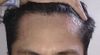
A human trial of verteporfin, a potential treatment for hair loss, with some users noting potential improvements in scarring and overall healing compared to control areas.
The user is using dutasteride, oral minoxidil, and topical minoxidil with tretinoin for hair loss. They are considering whether to continue this treatment or opt for a hair transplant for their temples.
The post discusses a user's 2-month progress in treating hair loss using topical Du once a week, microneedling, and red light therapy. The user notes that red light therapy is primarily for face and body inflammation but also applies it to the scalp.
The user is asking about the effectiveness of tretinoin 0.025% for hair loss, noting significant beard growth since using it for acne. They are considering adding it to their hair loss treatment regimen.
The conversation discusses hair regrowth treatments, including stem cell exosomes, PRP, and PP405. Users question the effectiveness of the treatments and mention finasteride and minoxidil.
The conversation discusses the effectiveness of topical tretinoin as a monotherapy for hair loss, with users suggesting it may not be as effective as minoxidil or finasteride. The original poster is considering other options like a phenol peel and is concerned about the risks of derma rolling.
The conversation discusses using Tretinoin for treating androgenic alopecia. Specific treatments mentioned include Minoxidil, Finasteride, and RU58841.
The post and conversation discuss different methods of applying hair loss treatments directly to the scalp. The original poster suggests using a 1ml TB Syringe & Ophthalmic Cannula for precise application, while others share their own methods, including sprays, droppers, and simple syringes.
PP405 is considered a promising potential cure for hair loss, with phase 2 trial results expected in February 2025. Hair cloning is also discussed as a potential ultimate solution, despite significant scientific challenges.
A new hair growth product claims to use apple stem cells, plant collagen, and bamboo leaf extract, with a 120-day money-back guarantee. Some users are skeptical, noting the product's marketing alongside other treatments like Minoxidil, finasteride, and red light therapy.
Switching from tretinoin to tazarotene with minoxidil led to new hair regrowth after years of maintenance. Tazarotene's selectivity and higher concentration might be more effective for hair growth.
A peptide-based delivery system for finasteride shows promise in reducing systemic side effects while maintaining hair growth effectiveness. Combining this with other treatments like minoxidil and RU58841 could enhance results with lower systemic absorption.
The user experienced hair loss possibly due to scalp damage and tried natural treatments with limited success. They reported noticeable hair thickening after using a laser treatment device, suggesting it may be effective, especially for those on finasteride.
A user shared progress pictures 1.5 months after a hair transplant of 3500 grafts, using oral finasteride, topical finasteride, minoxidil, and vitamins. They are concerned about potential shock loss and the thinning appearance.
A user's eight-month progress in treating his hair loss using finasteride (1mg daily) and nizoral shampoo (2x a week), as well as microneedling every 10 days; other users have also reported success with finasteride, minoxidil, and microneedling.
The conversation discusses a patent filed by Shiseido for cloning Dermal Papilla (DP) cells to treat hair loss. The method involves using viral vectors to maintain the cells' growth-inducing properties, differing from Replicel's approach with Dermal Sheath Cup (DSC) cells.
PP405 is being discussed as a potential new approach to hair loss by targeting follicle stem cells, suggesting a different mechanism from existing treatments like finasteride and minoxidil. However, there is skepticism about whether it will lead to meaningful long-term outcomes or follow the pattern of previous treatments that showed promise but lacked consistent results.
After 10 months, the user's hairline and midscalp look thick following a 6100 graft FUE hair transplant in Turkey. They plan to address the crown in a few months.
PP405 is being discussed as a potential treatment for hair loss, with uncertainty about its effectiveness compared to existing treatments like finasteride, dutasteride, and minoxidil. There is cautious optimism, but its impact on hair transplants remains unclear.
The user switched from finasteride to dutasteride for hair loss and saw significant improvement in under two months. They also microneedle, take supplements including collagen and vitamin D3, use ketoconazole shampoo, and noticed accidental hair regrowth with retinol application on their face.
Tretinoin may enhance the effectiveness of minoxidil for hair regrowth by increasing enzyme activity and skin permeability, but its standalone impact is limited. Some users experienced improved hair growth with tretinoin, while others found it worsened their condition.
The conversation discusses hair regrowth using dissolvable microneedles loaded with rapamycin and epigallocatechin gallate nanoparticles. Specific treatments mentioned include Minoxidil, finasteride, and RU58841.
PP405 is a new hair loss treatment in phase 2 trials that may promote hair growth by increasing lactate production and activating hair follicle stem cells. It could potentially replace hormone-disrupting treatments like Minoxidil and finasteride.
Minoxidil and finasteride have improved hair thickness and density, but temple areas remain stubborn. Continued use is recommended, with suggestions for topical minoxidil, microneedling, or considering a hair transplant for further improvement.
Osteopontin, a protein involved in hair growth on moles, may help with hair loss. However, it is also linked to Alzheimer's, cancer, and bone development, so caution is advised.
The conversation is about the anticipation of results for a hair loss treatment study, specifically for GT20029, with expectations for the results to be released in the first quarter of 2024. No specific treatments were discussed.
New product Tomorrowlabs HSF targets hair loss through HIF pathway indirectly by removing scalp iron. Minoxidil and Stemoxydine also relate to HIF pathway.
The user shared their 8-week hair regrowth progress using 0.5mg dutasteride, twice-daily topical minoxidil, and weekly 1.5mm microneedling. They noted visible improvement, though some users suggested reducing microneedling depth to avoid potential scalp damage.
A user shares their hair loss treatment regimen, which includes oral finasteride, oral and topical minoxidil, RU58841, LLLT cap, microneedling, ketoconazole shampoo, biotin, vitamin D3, NAC supplement, MK677, collagen, and other hair care products. They seek opinions on its effectiveness.
Cold shock therapy may promote hair growth, but cold alone is not effective. Combining treatments like minoxidil, finasteride, cold showers, spicy foods, and exercise may enhance results.