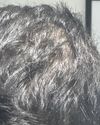
A 20-year-old is experiencing hair thinning and seeks advice on starting treatment and regrowing hair. They are considering using Minoxidil, finasteride, or RU58841.
Prolactin and cortisol are identified as key factors in hair loss, with stress hormones impacting hair shedding. Finasteride and minoxidil are effective treatments, while DHT's role and individual sensitivity are significant factors.
Switching from finasteride and minoxidil to a higher dose of dutasteride for hair loss is debated due to potential side effects. Many suggest starting with lower doses or sticking to finasteride if effective.
Finasteride, dutasteride, and minoxidil can help prevent or slow hair loss for many, though results vary. The dermatologist's claim that no medication works is incorrect, as these treatments are effective for some individuals.
A 22-year-old male experienced hair thinning and found minoxidil ineffective, with blood tests showing deficiencies in zinc, vitamin B12, vitamin D3, and possible hypothyroidism. Another user suggested adding topical finasteride to the regimen, which helped them regrow hair effectively without side effects.
The conversation discusses the use of dutasteride and finasteride for hair loss, with a focus on starting with low doses of dutasteride to match the DHT suppression of finasteride. It highlights the longer half-life and potential side effects of dutasteride, as well as the preference for finasteride due to its availability and research backing.
Ketoconazole shampoo does not significantly reduce systemic or scalp DHT levels and is considered a mild topical antiandrogen. Users discuss its use for scalp health rather than DHT reduction, with some preferring alternatives like dutasteride over finasteride due to perceived side effects.
Low vitamin D levels can negatively impact hair growth, and supplementing with vitamin D, along with treatments like finasteride and minoxidil, may help improve hair health. Quitting smoking and ensuring adequate vitamin B12 and K2 intake are also suggested to support hair regrowth.
PP405 is a new hair loss treatment showing early promise with a 20% hair density increase, but skepticism exists due to past failures of similar treatments like Pyrilutamide, RU58841, and Bimatoprost. Users debate its potential effectiveness, with some hopeful due to Google's involvement, while others urge caution without more evidence.
Foam minoxidil may be a good alternative for those who experience irritation from liquid minoxidil, though opinions on its effectiveness vary. Some users suggest oral minoxidil as a more effective option with fewer side effects at low doses, while others recommend foam or alcohol-free topical versions for sensitive scalps.
Hair loss treatments discussed include finasteride, minoxidil, spironolactone, and estradiol, with concerns about side effects like sexual dysfunction and feminization. Some users prefer hair transplants or shaving over medication due to potential side effects.
Finasteride may take over two years to show results and can cause side effects like sexual dysfunction and emotional changes. Alternatives such as dutasteride and minoxidil are discussed, with varying effectiveness and side effects.
A user regrets not starting finasteride earlier for hair loss, noticing significant crown thinning by age 30. They have started using finasteride and are considering minoxidil for better hair regrowth.
The user is experiencing low libido and mood swings after starting a low dose of topical finasteride. They are considering further blood tests to investigate low testosterone levels and other hormonal factors.
The conversation discusses the use of topical finasteride for hair loss, with the user considering whether oral finasteride might be more effective in reducing DHT levels. Other users suggest alternatives like dutasteride, RU58841, saw palmetto, and a combination of Redensyl, Procapil, and Capixyl, while debating the effectiveness and side effects of these treatments.
The user shared their hormone levels over time while using finasteride and dutasteride for hair loss. They experienced a significant drop in DHT levels but continued to lose hair, hoping for better results in the future.
Topical finasteride results in plasma levels 100 times lower than oral finasteride, potentially reducing systemic side effects. Users report similar efficacy with fewer side effects, suggesting a preference for topical application.
The user has been using finasteride, minoxidil, and dermastamping, and started HRT 4 months ago but feels discouraged about progress. Other users see significant improvement and offer encouragement.
A user experienced increased testosterone and estradiol levels after starting finasteride/dutasteride and is asking if these levels will return to normal over time. The conversation focuses on whether these changes are temporary.
A user shared their hair loss journey, detailing the use of topical Minoxidil and Finasteride, and oral Minoxidil. Blood tests showed a decrease in DHT levels after using topical Finasteride, with no side effects but slight hair loss.
The conversation discusses the idea of creating finasteride gummies for hair loss treatment, with some users expressing skepticism about their effectiveness compared to pills. Concerns include the potential for reduced drug delivery in gummy form and the risk of children mistaking them for candy.
The conversation discusses using zinc sulphate and azelaic acid to inhibit 5 alpha-reductase activity, which could potentially treat androgen-related skin conditions like hair loss. Combining these with vitamin B6 could enhance the effect, potentially offering an alternative to finasteride.
The conversation discusses a prescribed hair loss treatment combining 12.5% minoxidil with tretinoin, azelaic acid, and topical finasteride, costing $55 a month. One user criticizes the packaging for degrading tretinoin, another suggests it's an overpriced option and recommends topical dutasteride as an alternative due to its higher molecular weight and lower systemic absorption.
User "missbloombastic" has been experiencing hair loss since 2016 and tried min, fin, multivitamins, and spiro with mixed results. Another user shares their struggle with hair loss and its impact on self-esteem, while a third user suggests checking blood tests and confirming the cause of hair loss.
Fluridil, an antiandrogen that is not widely used or known about due to its expense and lack of availability in the US. It is suggested as a potential alternative for people who don't want to lower their DHT through treatments such as Minoxidil, Finasteride, Nizoral shampoo, and Dermarolling.
Hair loss sufferers becoming hyper aware of shedding, and the various treatments available for reducing shedding. The conversation also discussed differentiating between shedding and balding, as well as the potential side effects from using certain treatments.
The user shared progress after four months of using a topical treatment with 0.3% finasteride and 6% minoxidil from Hims, noting positive results and considering switching to oral medication for convenience. Other users discussed the effectiveness of minoxidil and finasteride, emphasizing that first-time users often see the best results, and shared personal experiences with hair regrowth and maintenance.
Microneedling is supported by research as an effective adjuvant treatment for hair loss, especially when combined with Minoxidil or Finasteride, with minimal side effects if done properly. Concerns about long-term safety and potential risks like infection or fibrosis remain, but many users report positive results.